
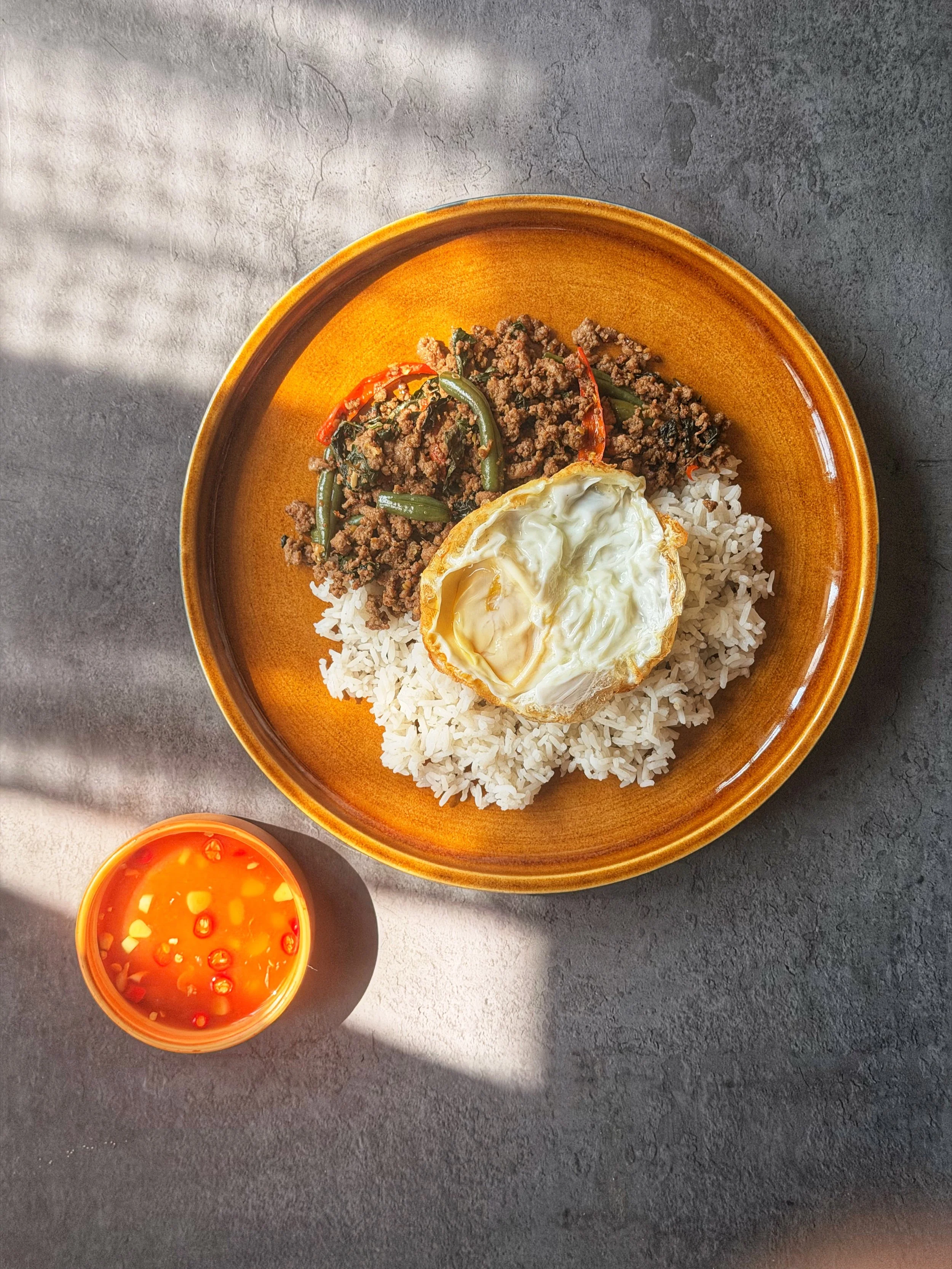
Pad Kra Pao Beef
Pad Kra Pao is more than just one of Thailand's most popular dishes. It's practically a national institution, found everywhere from roadside stalls and small neighbourhood eateries to bustling food courts. In Thailand, it's often associated with the expression ahan sin khit, loosely meaning “food for when you can't think of what to eat.” It's the dependable everyday meal people turn to when they're hungry, in a hurry or simply don't want to make another decision.
Much of its popularity comes from Thailand's ahan tam sang culture, where inexpensive meals are freshly prepared to order. Pad Kra Pao fits perfectly into this world. It's quick, affordable and endlessly adaptable, made with everything from pork and chicken to beef and seafood. Yet, for such a seemingly simple dish, it inspires surprisingly passionate debates about ingredients, particularly the use of holy basil, which gives the dish its name and distinctive peppery aroma.
What makes Pad Kra Pao special is precisely how ordinary it is. It isn't ceremonial food or something reserved for celebrations. It's the food of working days, lunch breaks and late-night hunger. A reminder that some of a country's most important culinary traditions aren't found at elaborate feasts, but in the everyday meals people return to again and again.
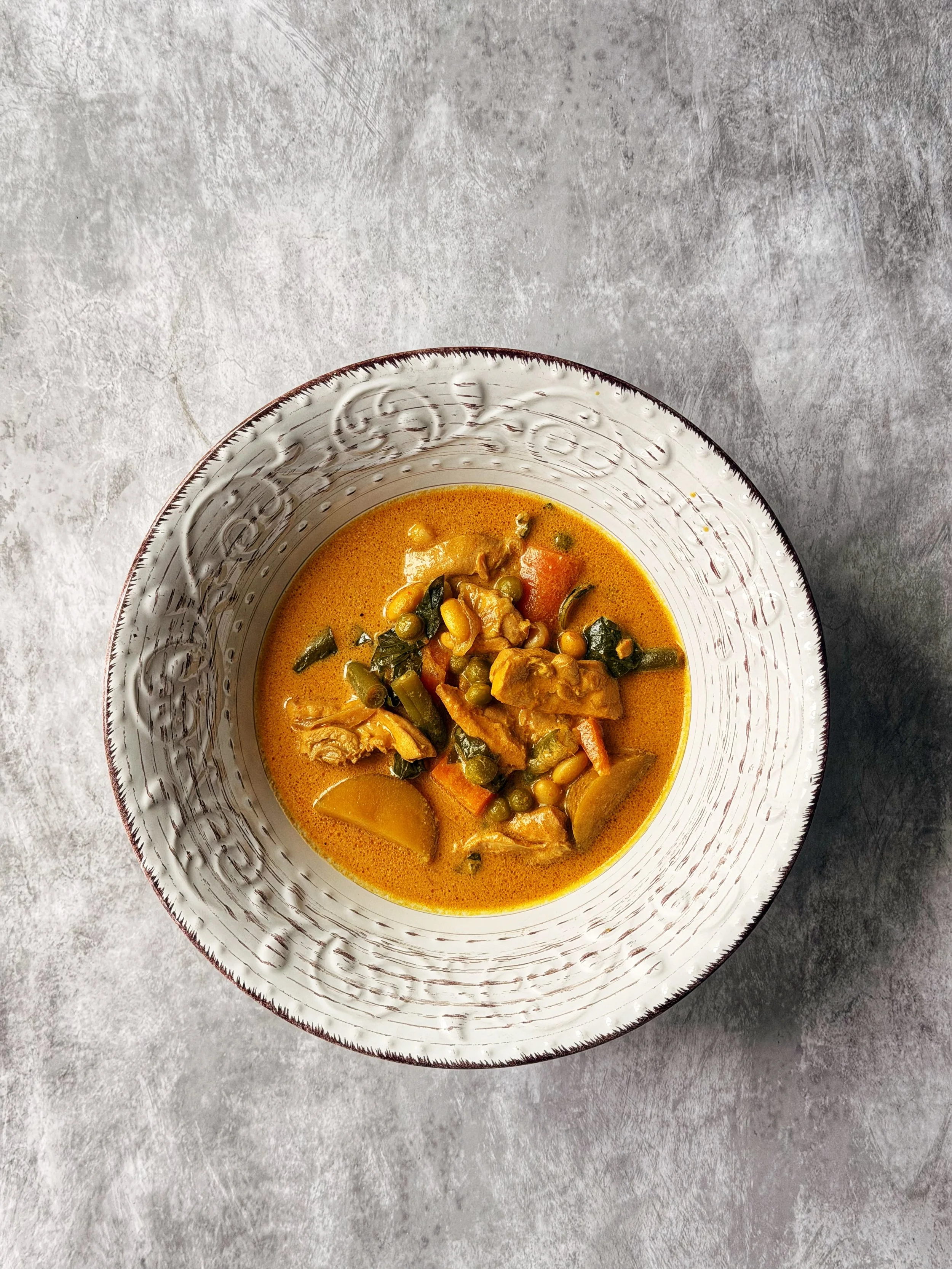
Thai Yellow Chicken Curry
Thai yellow curry, or Gaeng Kari, is a wonderful example of how different culinary traditions have influenced Thai cooking. While green and red curries are known for their fresh, fiery aromatics, yellow curry takes a slightly different approach, incorporating spices more commonly associated with Indian cooking, such as cumin, coriander, cardamom and fenugreek. The result is a fragrant, gently spiced curry with a rich golden colour and a beautifully rounded flavour.
The heart of the dish is its curry paste, made from dried and fresh chillies, lemongrass, galangal, fresh turmeric, shallots, garlic and fermented shrimp paste. These ingredients are ground together and fried until aromatic before being combined with coconut milk, stock, fish sauce, palm sugar and tamarind. The combination creates a wonderful balance of sweetness, saltiness, acidity and gentle heat, with the coconut milk bringing everything together.
For this version, I've used boneless chicken thighs along with a mixture of potatoes, carrots, green beans and bamboo shoots. The vegetables are added in stages so that everything cooks properly without losing its texture. I also reserve some of the coconut milk until the very end, which gives the finished curry a fresher coconut aroma and a lovely creamy consistency.
Although making the curry paste from scratch takes a little effort, the actual cooking is surprisingly straightforward. It's also a versatile preparation that works beautifully with seafood, beef or tofu. Finished with Thai basil, fresh chillies and crispy fried shallots, it's a comforting, aromatic curry that needs little more than a bowl of steamed jasmine rice to make a complete meal.
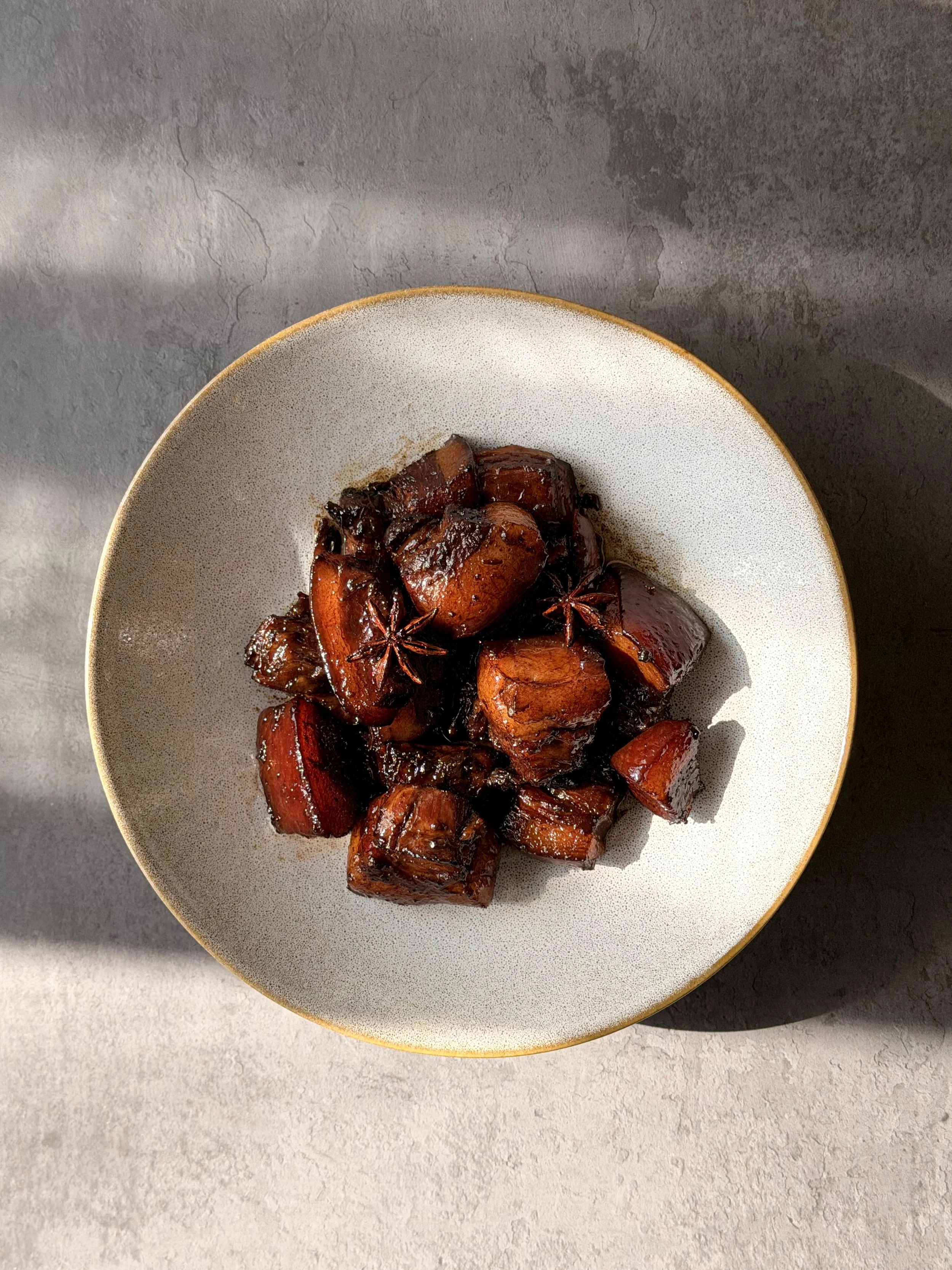
Shanghai-Style Braised Pork Belly
Hong Shao Rou, or red-braised pork belly, is one of those Chinese dishes that manages to turn a handful of everyday ingredients into something quite extraordinary. Found in different variations across China, the Shanghai-style preparation is particularly known for its rich, slightly sweet flavour, deep reddish-brown colour and beautifully glossy sauce.
The magic lies in the technique rather than an elaborate list of ingredients. Skin-on pork belly is first blanched, then lightly browned in caramelised sugar before being slowly braised with Shaoxing wine, light and dark soy sauces, ginger and a few aromatics. Over the course of cooking, the fat softens, the connective tissue turns gelatinous and the meat becomes wonderfully tender while still holding its shape.
The final stage is perhaps the most satisfying. The braising liquid is reduced until the sugar, soy sauce and rendered pork fat come together into a thick, glistening glaze that coats every piece. The result is a wonderful balance of sweet, savoury and deeply porky flavours, with soft, almost melting layers of fat contrasting against the slightly chewy skin.
Despite its luxurious appearance, Hong Shao Rou is surprisingly uncomplicated to make. It simply requires good pork belly, a little patience and the discipline not to rush the braising process. Serve it with plain steamed rice and some greens, because with something this rich, you really don't need much else.
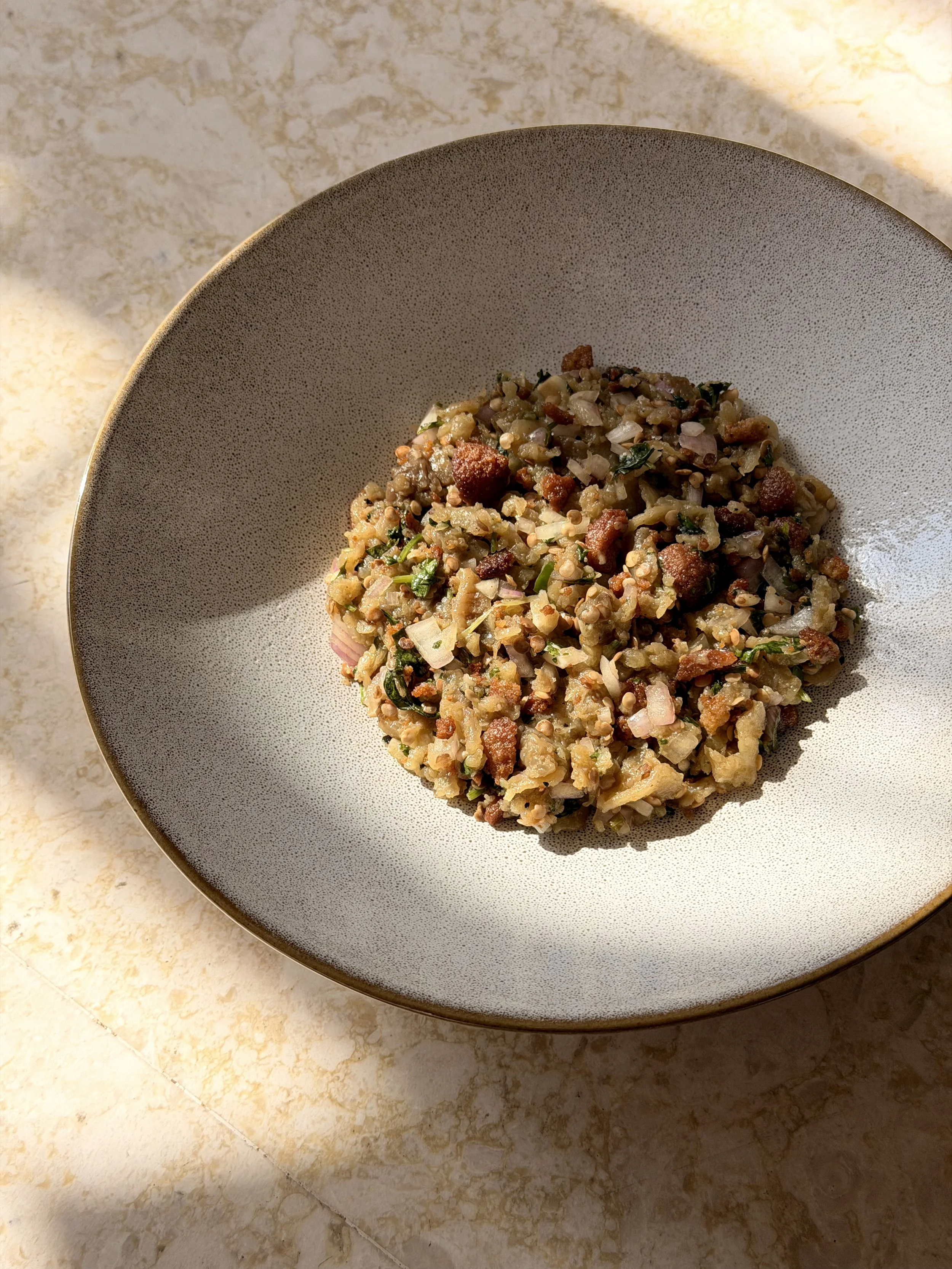
Baigana Poda
Baigana Poda is one of those dishes that demonstrates how a handful of ingredients and a simple cooking technique can produce something remarkably flavourful. A traditional preparation from Odisha, it begins with a large brinjal roasted directly over an open flame until its skin is blackened and the flesh inside becomes soft, smoky and almost creamy.
At first glance, it might resemble the more familiar North Indian baingan bharta, but the similarities largely end with the roasted brinjal. Unlike baingan bharta, which is typically cooked again with onions, tomatoes and spices, Baigana Poda requires no further cooking. The roasted flesh is simply mashed with finely chopped raw onions, garlic, green chillies, fresh coriander and a generous drizzle of pungent mustard oil. The result is a wonderful contrast of smoky, sweet, sharp and spicy flavours.
For this version, I've also added a topping of fried bori, the little sun-dried lentil dumplings commonly used in Odia cooking. Fried until crisp and roughly crushed over the mash, they introduce a lovely savoury crunch.
It's rustic, uncomplicated cooking where the quality of the ingredients and the intensity of the roasting do most of the work. And perhaps the best part is that once the brinjal comes off the fire, there's hardly any cooking left to do.
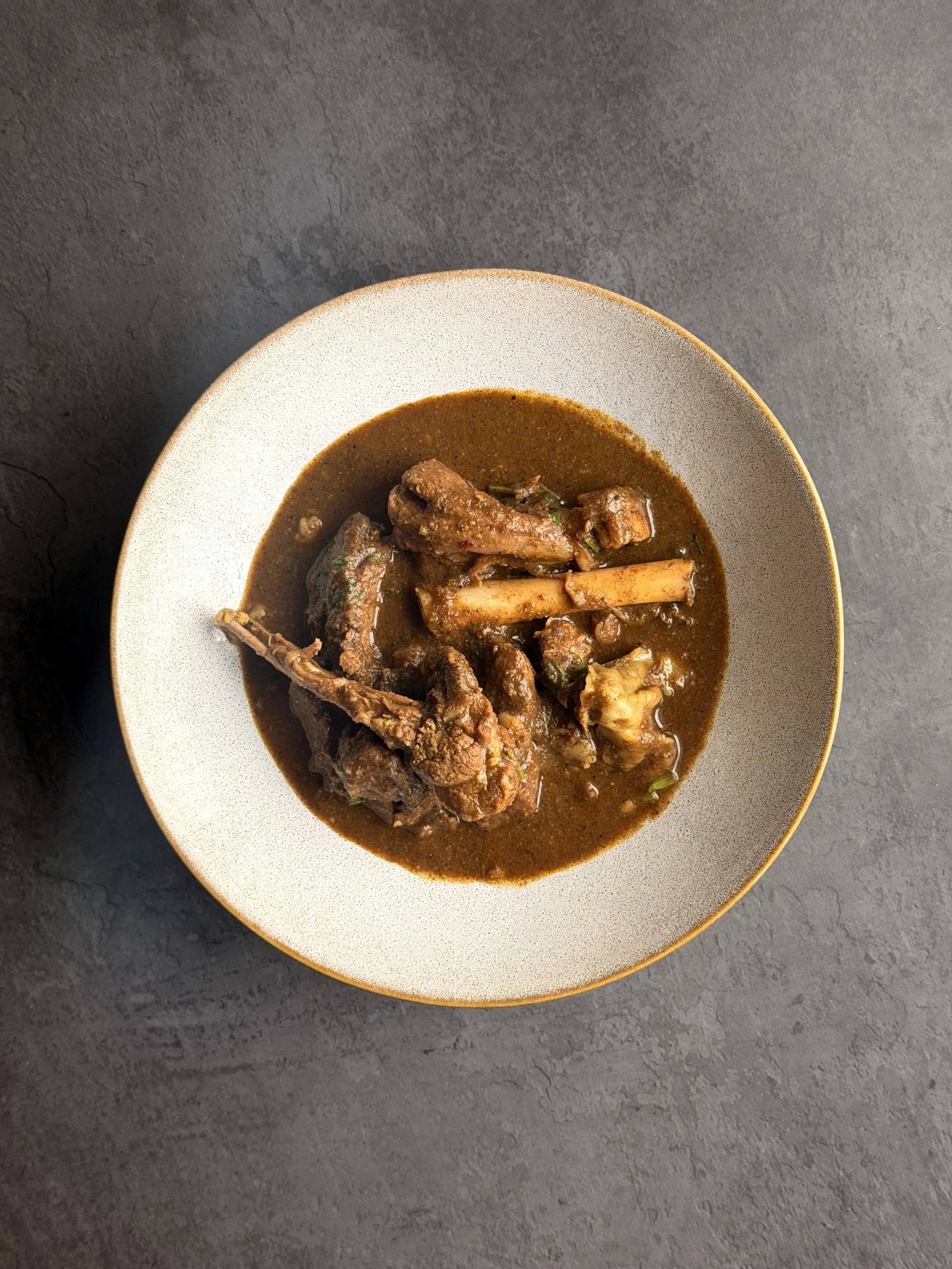
Mutton Saoji
Some dishes are subtle, some are sophisticated, and then there's Saoji mutton, which seems determined to assault every taste bud you possess. Originating from the Saoji community of Nagpur, this famously fiery curry is a glorious exercise in excess. An extraordinary assortment of whole spices, blackened onions, roasted coconut and plenty of chilli come together to create a dark, intensely aromatic gravy that is as complex as it is unapologetically hot.
But what makes a really good Saoji mutton? I've eaten it in Nagpur, and despite following several recipes over the years, I always felt something was missing. Then a friend from Nagpur let me in on what he claimed was a closely guarded secret: dried prawns. I couldn't find a single recipe that mentioned them, but the idea wasn't entirely outrageous. Dried seafood is a fantastic source of umami, and even a small quantity can add remarkable savoury depth without making a dish taste particularly fishy.
So I decided to put his theory to the test. I added some dried prawns to the roasted spice blend, alongside the usual suspects, and cooked the mutton slowly in the resulting masala. The result was remarkably close to the Saoji mutton I remembered from Nagpur.
Whether dried prawns are a genuine family secret, an obscure variation or simply my friend's personal trick remains a mystery. I'm certainly not claiming this is how every Saoji household cooks its mutton. But it worked beautifully, and that's a good enough reason to share the experiment.
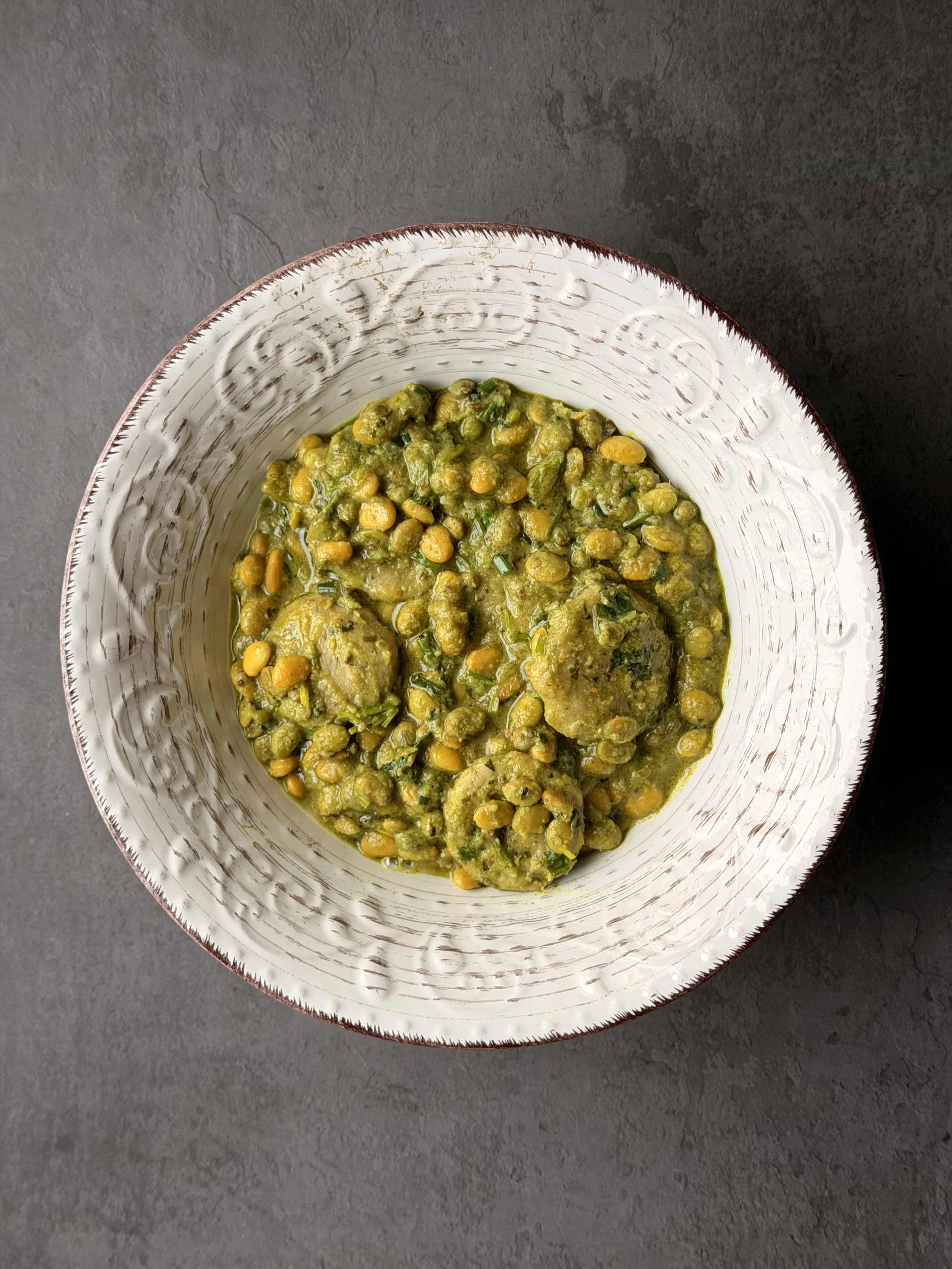
Lilva Dhokli nu Shaak
Winter is a particularly exciting time to visit a vegetable market in Gujarat. Fresh tuvar, tender papdi, green garlic, methi and an abundance of seasonal greens begin appearing everywhere, and Gujarati home kitchens have a wonderful way of bringing them together. Lilva Dhokli Nu Shaak is one such preparation, combining freshly shelled beans with little hand-shaped dumplings in a fragrant, slightly sweet and tangy green gravy.
Unlike the more familiar dal dhokli, where thin strips of dough are cooked in lentils, the dhokli here are small, thumb-pressed discs made with wheat flour, besan, methi, coriander and spices. They simmer directly in the gravy, absorbing its flavours while releasing just enough starch to thicken it. The green masala is a rather lovely combination of fresh green garlic, spring onions, coriander, coconut, sesame seeds, ginger and green chillies. A little jaggery and lemon bring everything into balance.
I've used a combination of fresh tuvar and papdi beans, both shelled, rather than the whole pods. The result is a wonderfully hearty winter dish with tender beans, soft dumplings and a thick, aromatic gravy that clings to everything.
It's the sort of cooking that makes you appreciate seasonal produce, where the vegetables do most of the talking and the spices know better than to interrupt.
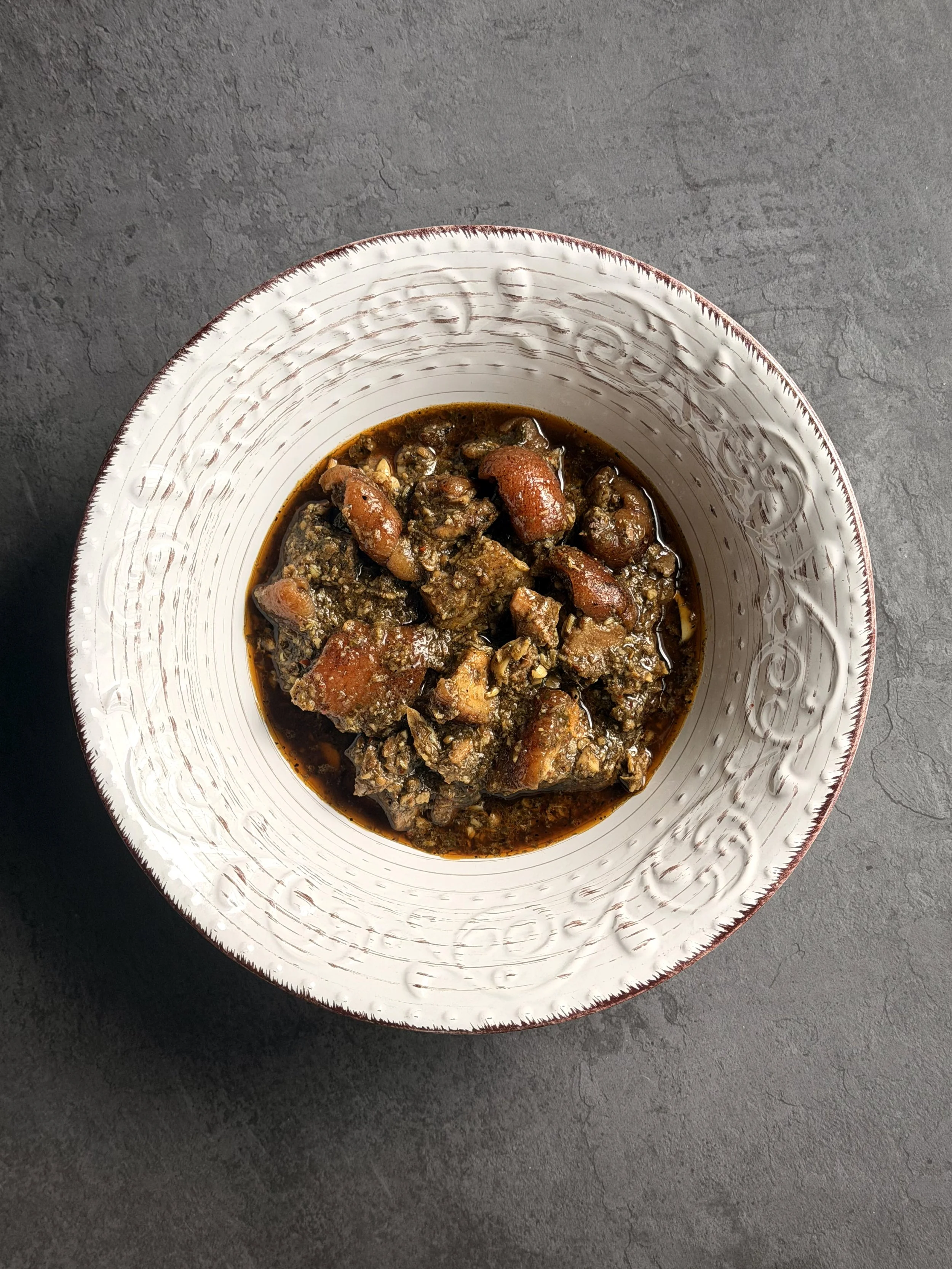
Agri-Style Dukrache Mutton
Some of my fondest childhood memories involve summer vacations at our ancestral village of Gadab, near Pen in Maharashtra. Back then, the forest began right across the road from our house, and a gang of us cousins would spend our days wandering through it, collecting wild fruits and berries. Occasionally, a gunshot would echo through the trees, announcing that someone had hunted a wild boar. We'd wait for smoke to rise above the forest, then head straight towards it. The hunters would be singeing the boar over an open fire to remove its bristles, leaving the skin beautifully crisp and smoky. We'd join the queue of village children, each hoping for a piece of that crackling skin. I still remember its peculiar texture, almost like dried coconut, and the smoky flavour we'd savour on the walk home.
The meat would be cooked with turmeric and an almost unreasonable quantity of garlic, then shared among families, each of whom had their own way of preparing the gravy. This recipe comes from my cousin, who helped me reconstruct our family's version. Surprisingly, it uses very few spices. The real magic lies in the flame-roasted coconut and the coarse vatan, which must be pounded rather than ground smooth. Even the chilli and coriander are deliberately coarse, giving the gravy its distinctive rustic texture.
Wild boar isn't something I can readily get my hands on today, so I've recreated the dish using skin-on pork belly and knuckle, roasting the skin over an open flame to bring back some of that smokiness.
It's not quite the wild boar curry of my childhood, but it's remarkably close to the flavours I remember. And for a recipe that began with a gunshot in the forest, it has turned into a rather lovely exercise in culinary archaeology.
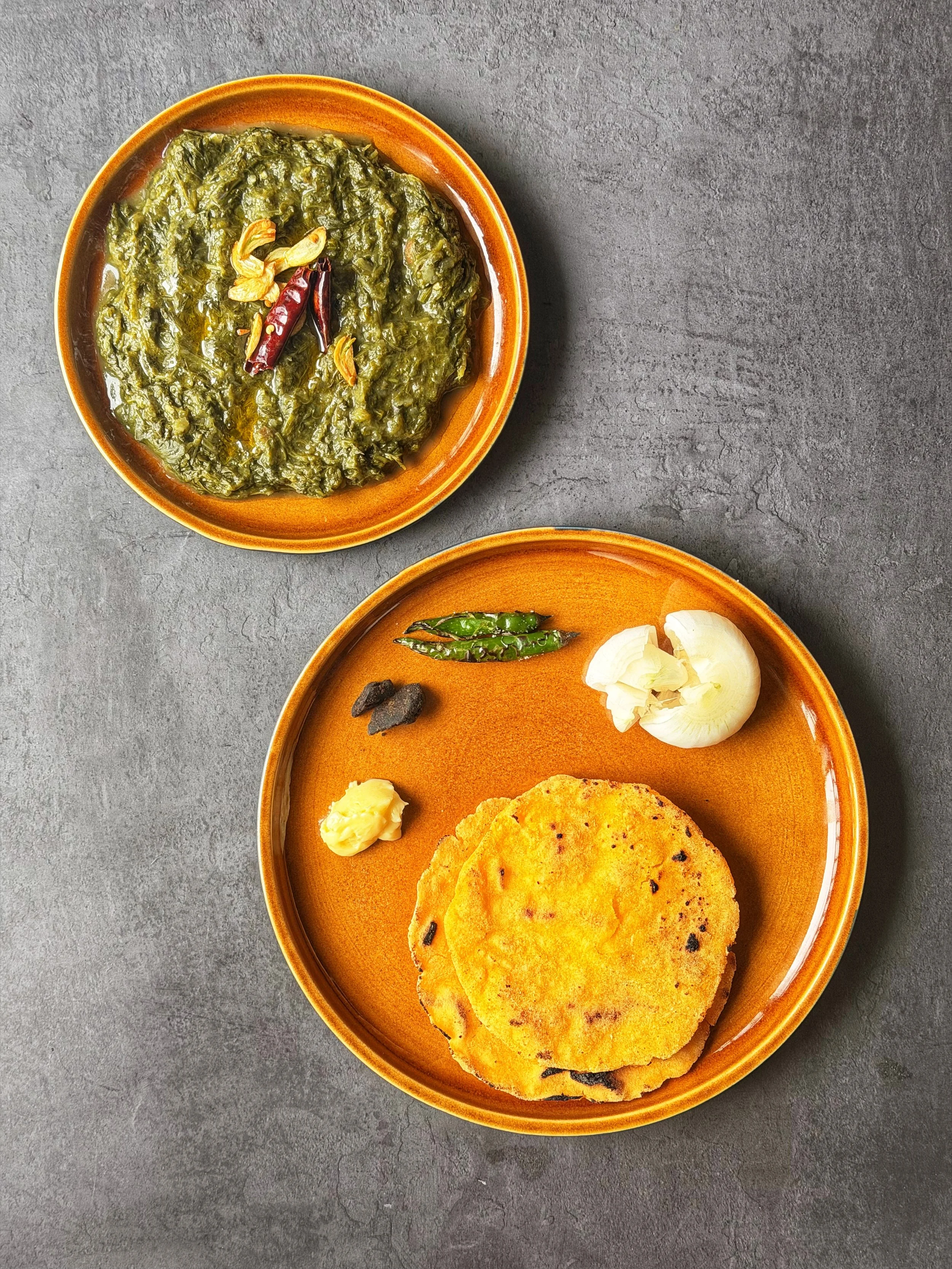
Sarson Da Saag with Makki Di Roti
A few years ago, I had the good fortune of sitting in a village kitchen in Punjab, watching a grandmother prepare sarson da saag. What struck me was how different it was from the smooth, buttery green purée that usually passes for saag in restaurants. Hers was coarse, fibrous and wonderfully rustic, with a pronounced mustard flavour and very little interference from spices.
This recipe is my attempt to recreate that experience. Along with mustard greens, it uses bathua, spinach, radish leaves, fresh radish and turnip, all slowly cooked together and mashed by hand with a wooden madhani. A little makki ka atta gives the saag its characteristic body, while a separate tadka of ghee, garlic and dried red chillies provides the finishing touch. No onions, tomatoes or elaborate masalas, just the earthy flavours of Punjab's winter harvest.
And then there's makki di roti, made from maize flour, kneaded with hot water and patiently patted into thick, rustic flatbreads. Serve the saag with a generous dollop of fresh white makkhan, a piece of jaggery, raw onion and green chillies on the side.
It's a meal that asks for very little sophistication, just good ingredients, a little patience and absolutely no concern for how much butter is too much.
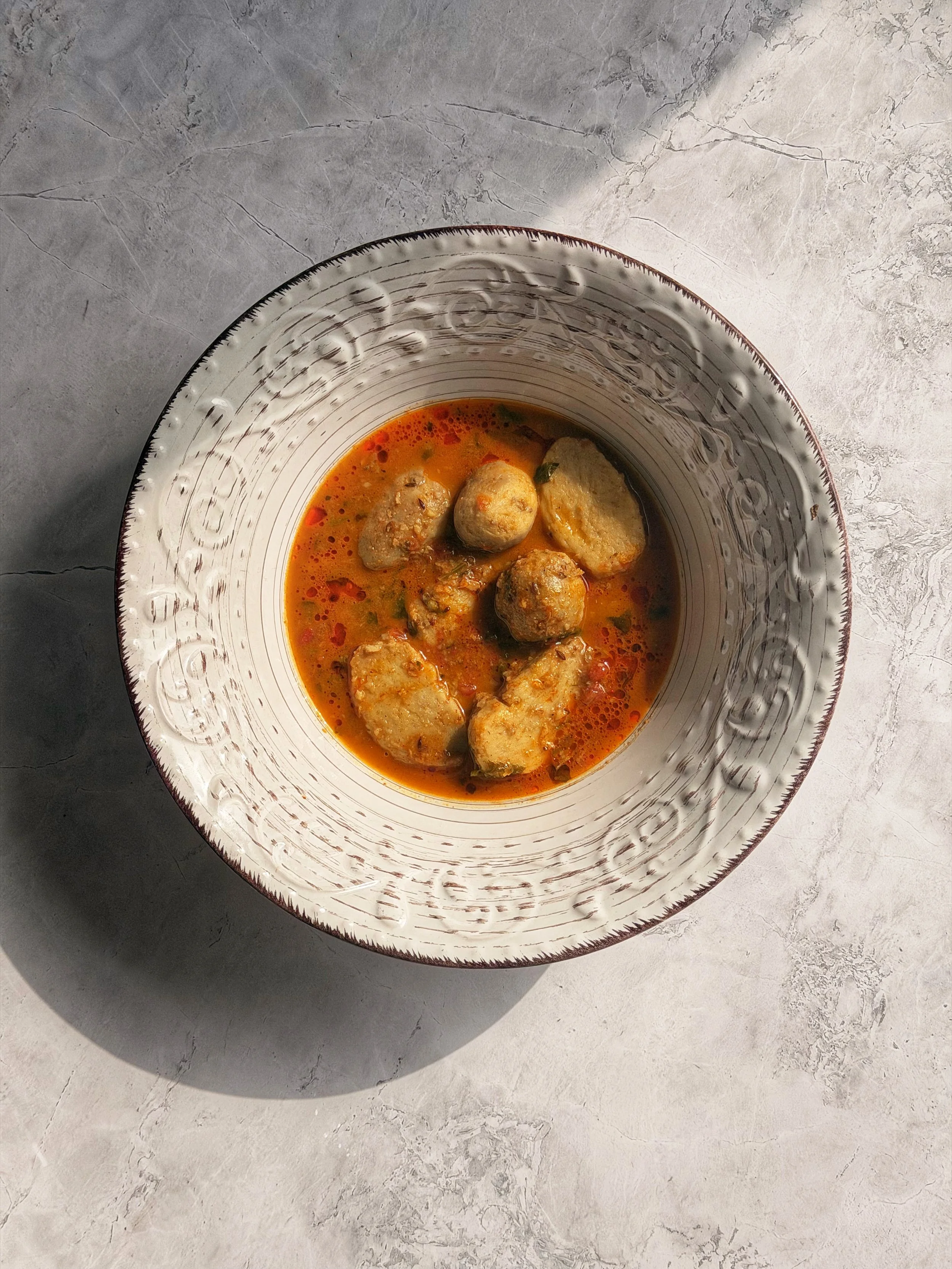
Arbi Rasedar
Arbi is one of those vegetables that rarely gets the attention it deserves. Often relegated to a dry sabzi, this humble taro root takes on a rather different personality in Banarasi Arbi Rasedar, a tangy, lightly spiced curry inspired by the homestyle cooking of Banaras and eastern Uttar Pradesh.
This no-onion, no-garlic preparation relies on a handful of ingredients to do some surprisingly heavy lifting. Ajwain, hing, ginger and mustard oil provide the aromatic backbone, while tomato and amchur bring a lively sourness that cuts through the earthy, starchy character of the arbi. The taro is first boiled, then lightly fried before being simmered in a thin gravy. A few pieces are deliberately mashed into the liquid, thickening it naturally without any flour or besan.
It's simple, economical cooking with a clever understanding of ingredients and texture. The kind of dish that makes a strong argument for keeping a stack of hot pooris nearby.
And perhaps giving the humble arbi a little more respect.
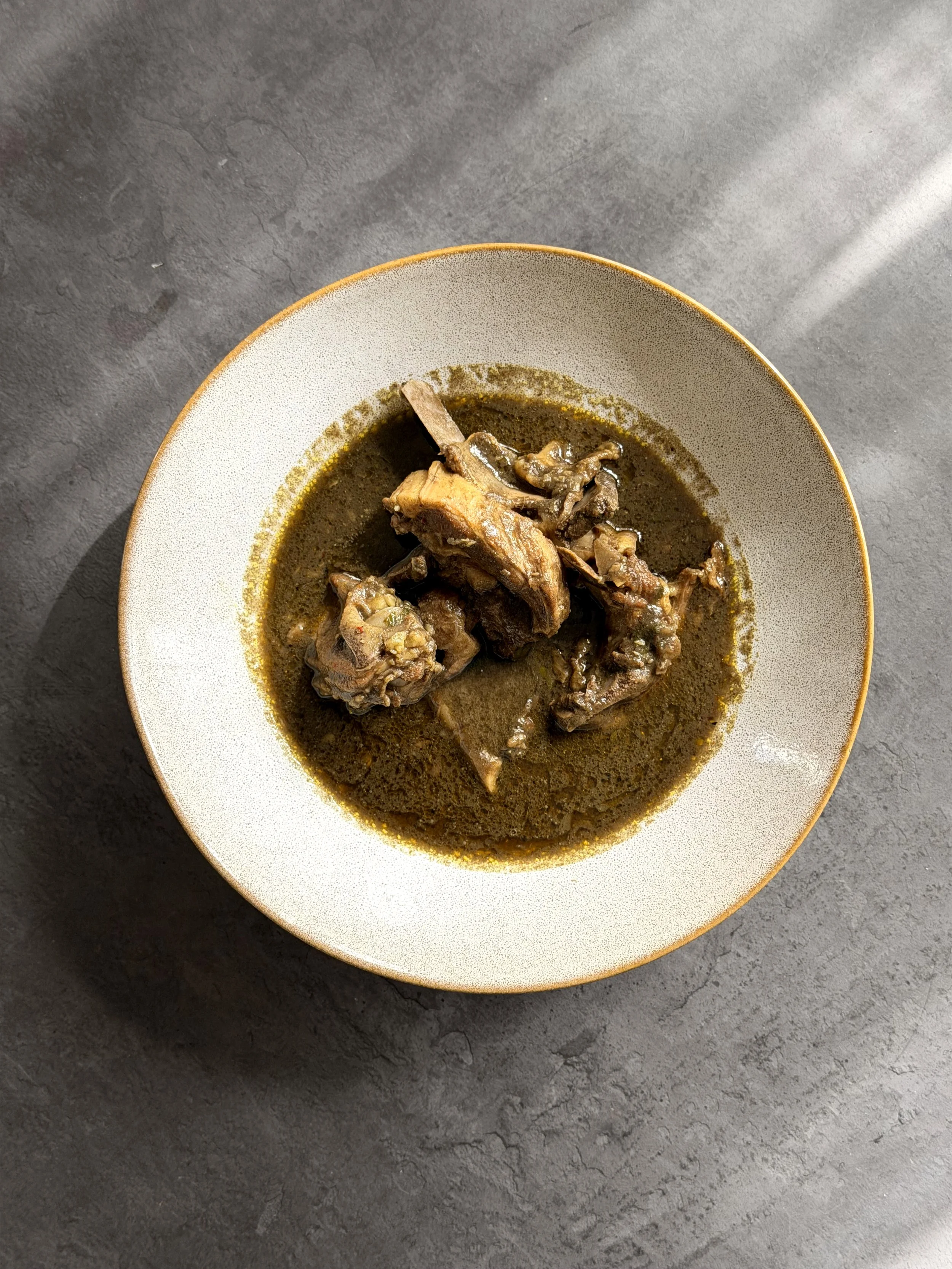
Kanduri Mutton
Kanduri is a traditional communal feast associated with parts of rural Maharashtra, particularly Marathwada, where mutton often takes centre stage. And if there's one thing this style of cooking demonstrates, it's that patience and a little controlled destruction can produce remarkable results.
This version of Kanduri Mutton is all about building flavour in stages. The meat is first cooked separately, producing a rich stock that becomes the foundation of the gravy. Meanwhile, whole onions and dry coconut are roasted directly over a flame until deeply charred, then ground with garlic, ginger and coriander to make a smoky vatan. This paste is slowly fried with kala masala, repeatedly loosened with splashes of mutton stock and reduced again until it develops an almost black-brown colour.
A little yesur, a roasted grain-based mixture, gives the resulting kala rassa just enough body without making it heavy. The tender mutton is returned to the gravy only towards the end.
It's a wonderfully rustic preparation, with no tomatoes, no elaborate garnishes and absolutely no shortcuts. Just fire, fat, spices and the kind of patience that makes a good argument for cooking slowly.
Best served with hot jowar bhakri and a complete disregard for clean fingers.
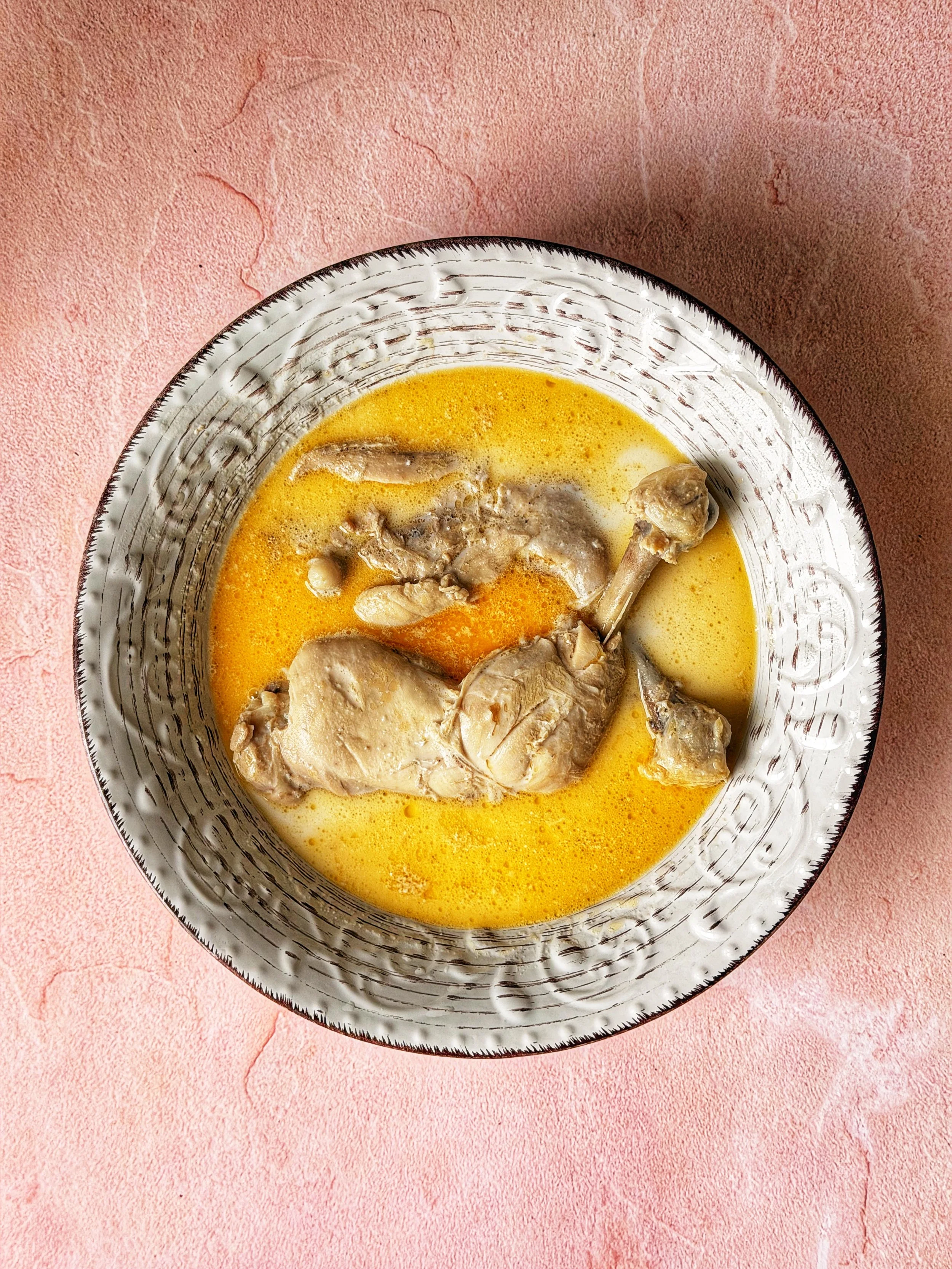
Şipsi
Turkish cuisine has a remarkable talent for turning a handful of familiar ingredients into something unexpectedly interesting, and Şipsi is a particularly good example. Hailing from Sakarya in the Marmara region, this thick, creamy chicken stew takes a rather unusual approach to comfort food.
The chicken is first gently simmered with onion, garlic and coriander, producing a flavourful stock that is then combined with milk and a butter-and-flour roux to create a rich, velvety sauce. But the real curiosity is the finishing touch. Walnuts, garlic, dried chilli and coriander seeds are roasted, pounded together and squeezed through muslin to extract a small quantity of intensely aromatic oil.
It's a wonderfully understated dish, with no elaborate spice blends or aggressive heat. Just tender chicken, a comforting milk-based gravy and a rather clever little trick involving walnuts.
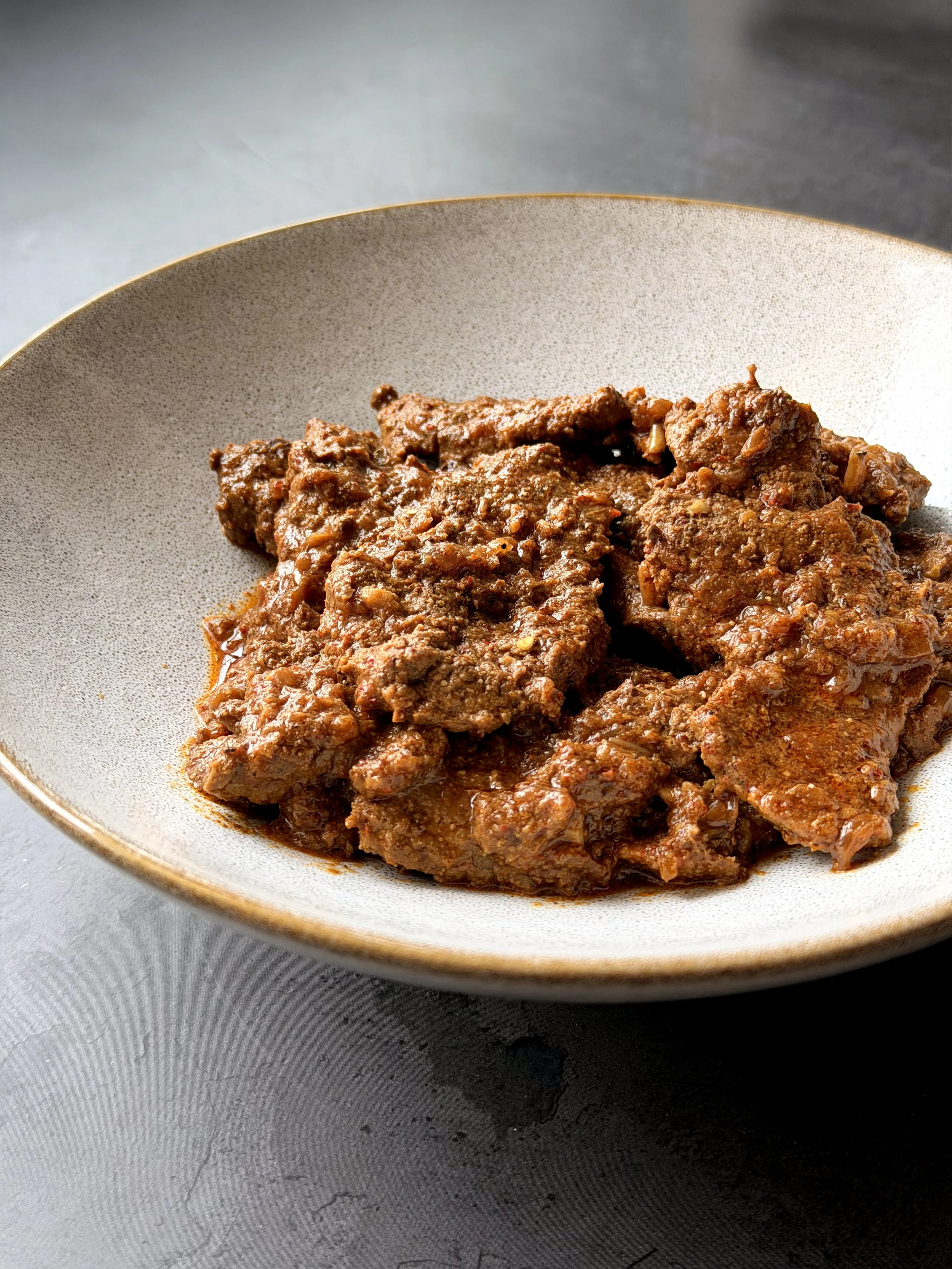
Beef Pasanday
Pasanday is one of those dishes that reminds you how much difference a little attention to the meat can make. The name comes from the Persian pasand, meaning something liked or favoured, and the dish has long been associated with the Mughal-influenced kitchens of the Indian subcontinent. Particularly popular in Pakistan, it takes a rather different approach to beef curry.
Instead of the usual chunks of meat, pasanday uses thin slices of beef, gently pounded to tenderise them and marinated overnight in yogurt, ginger, garlic and a rather enthusiastic collection of spices. The masala is especially interesting. Roasted almonds and poppy seeds lend richness and body, while browned onions provide sweetness and depth, all without a tomato in sight.
The meat is briefly seared before being simmered in its marinade, which gradually reduces into a thick, intensely aromatic gravy that clings to every slice. It's rich, deeply spiced and a little indulgent, but that's rather the point.
Best enjoyed with hot naan or paratha, preferably with very little conversation getting in the way.
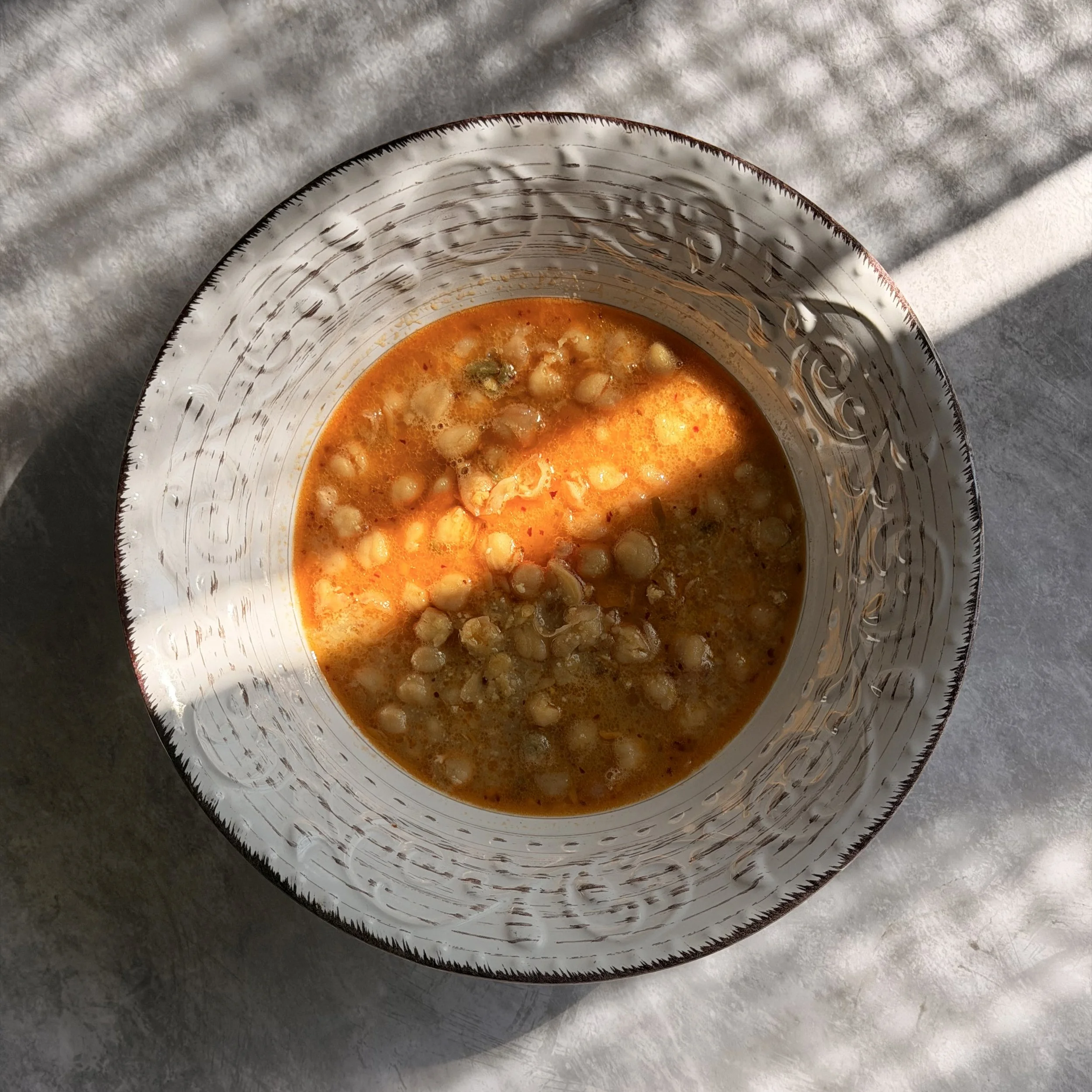
Halwa Puri Wale Chanay
If you've ever wandered through the streets of Lahore on a lazy weekend morning, chances are you've encountered the glorious institution that is halwa puri. Fluffy, deep-fried puris, sweet semolina halwa and a bowl of gently spiced chickpeas make for a breakfast that has absolutely no interest in being sensible.
These chanay are quite different from the thick, aggressively spiced chhole more commonly associated with Punjabi cooking. The gravy is lighter and slightly runny, built around garlic, ginger, green chillies and yogurt rather than onions and tomatoes. The chickpeas simmer in their own starchy cooking liquid, with a few deliberately mashed to give the gravy just enough body. A final flourish of roasted cumin and garam masala brings everything together.
It's a wonderfully uncomplicated preparation where technique does more work than the ingredient list. Traditionally served with halwa and puri, these chanay are equally happy keeping a hot roti or naan company. And unlike the full halwa puri breakfast, they won't necessarily require a nap afterwards.
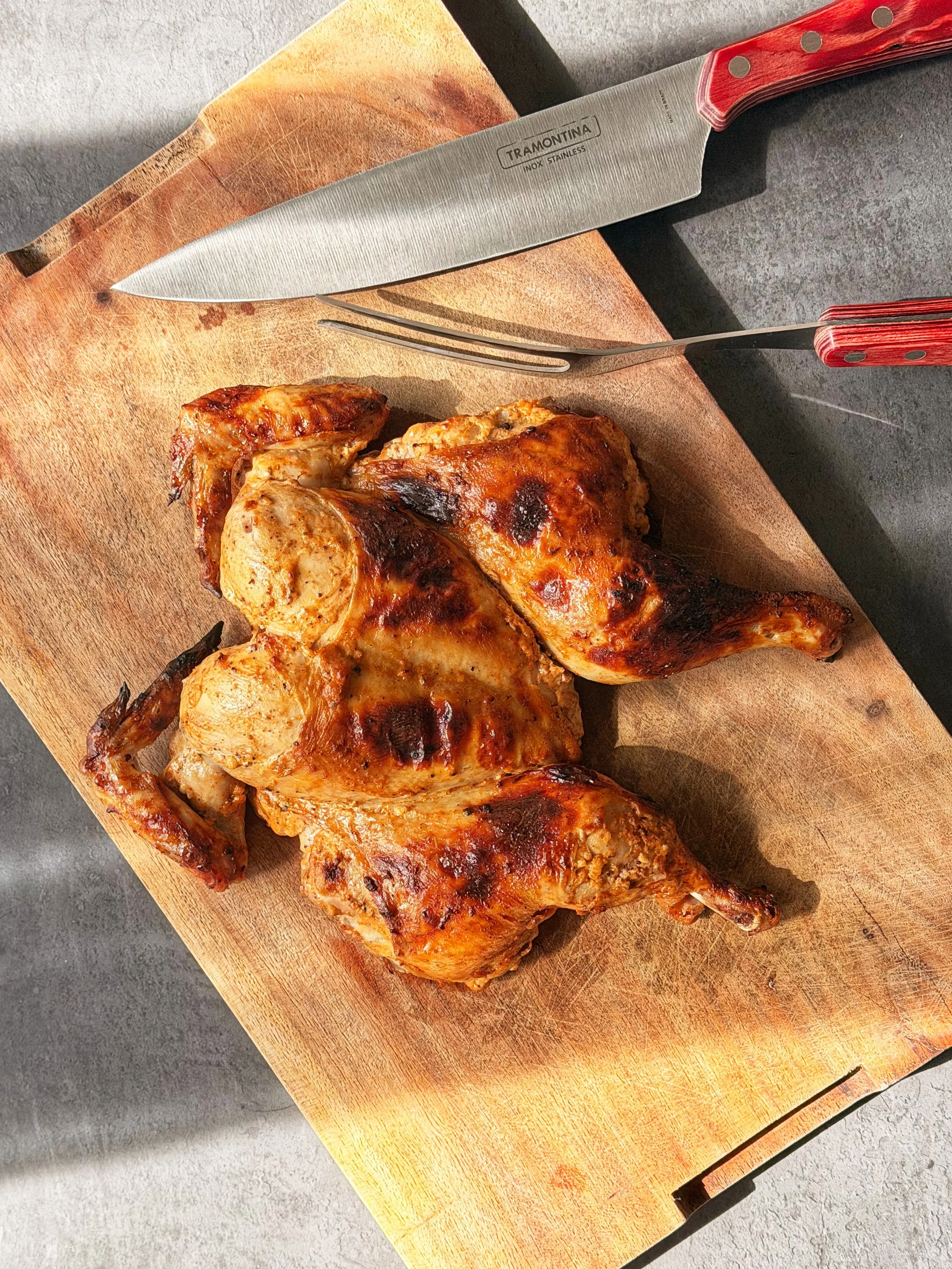
Shish Tawook Spatchcock Chicken
Shish tawook is a Lebanese grilling favourite where garlic, lemon and yogurt do most of the heavy lifting. Traditionally, it involves chunks of chicken marinated in yogurt, garlic, lemon and spices, then threaded onto skewers and grilled over charcoal.
I've taken a few liberties with the format here, replacing the skewers with a whole spatchcocked chicken. Flattening the bird helps it cook more evenly, while an overnight bath in yogurt, garlic, lemon, paprika and a little tomato paste gives it a wonderfully tangy, aromatic character. The yogurt also encourages a beautifully browned crust while helping the meat retain its moisture.
It's not quite traditional shish tawook, but the flavour profile is unmistakable. Serve it with warm pita, pickles and a generous helping of toum, that gloriously aggressive Lebanese garlic sauce. Because apparently six cloves of garlic in the marinade weren't quite enough.
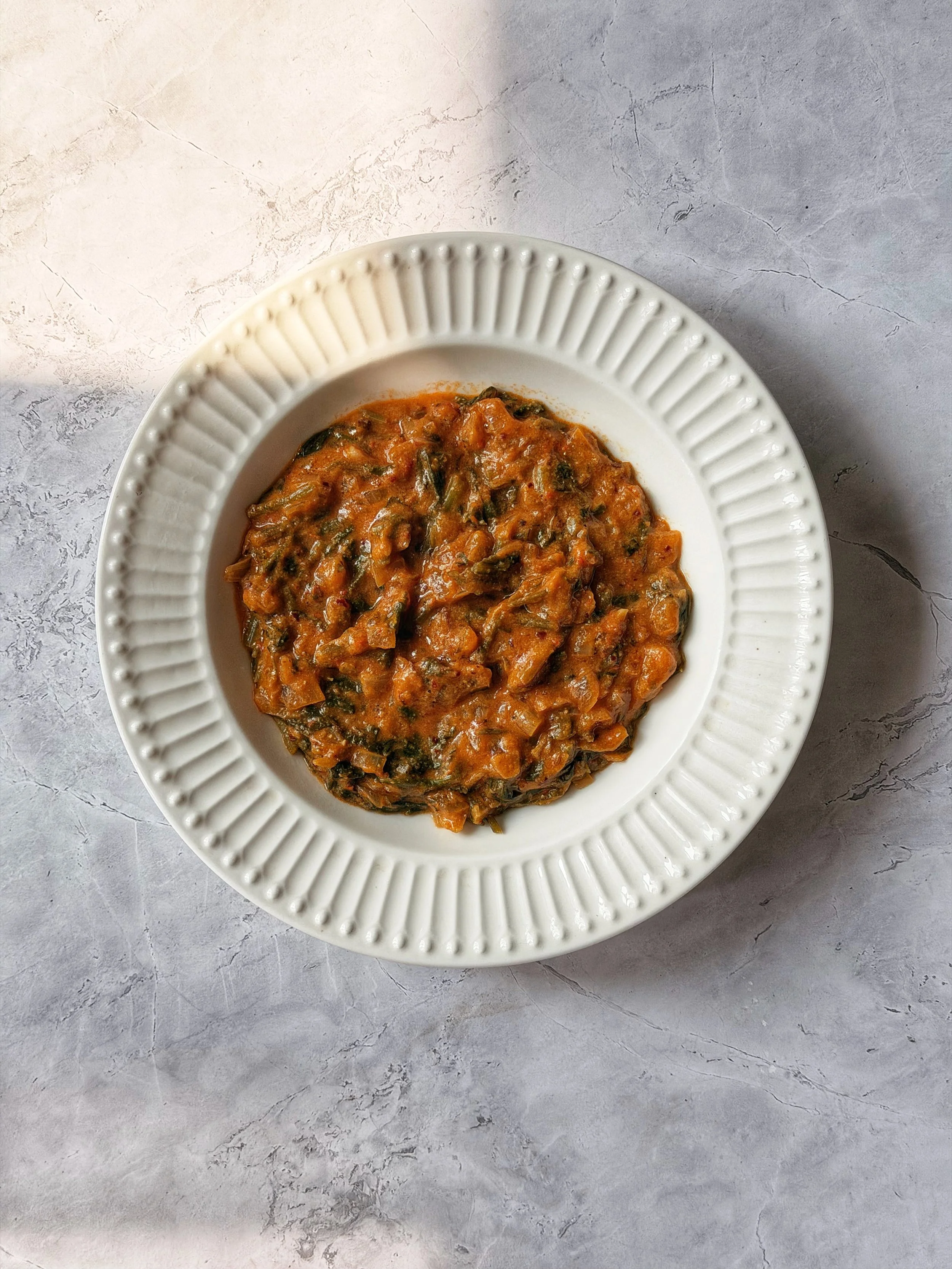
Dhaba-Style Palak Sabzi
Palak has suffered a rather unfortunate fate in restaurant kitchens. Somewhere along the way, a perfectly good leafy vegetable became synonymous with smooth green purées, generous quantities of cream and the occasional cube of paneer.
This dhaba-style preparation takes a different route. The spinach is finely chopped and sautéed rather than blended, retaining some of its texture and character. The real intrigue, though, lies in the masala. Roasted peanuts, sesame seeds and besan work together to create a thick, nutty gravy without a drop of cream. The besan also lends a slightly earthy flavour that works particularly well with the greens.
A final tempering of ghee, cumin, sesame and chilli, followed by crushed kasuri methi, gives the dish its wonderfully robust finish.
It's hearty, rustic and particularly good with hot rotis. And a useful reminder that palak can be considerably more interesting when you stop trying to turn it into a smoothie.
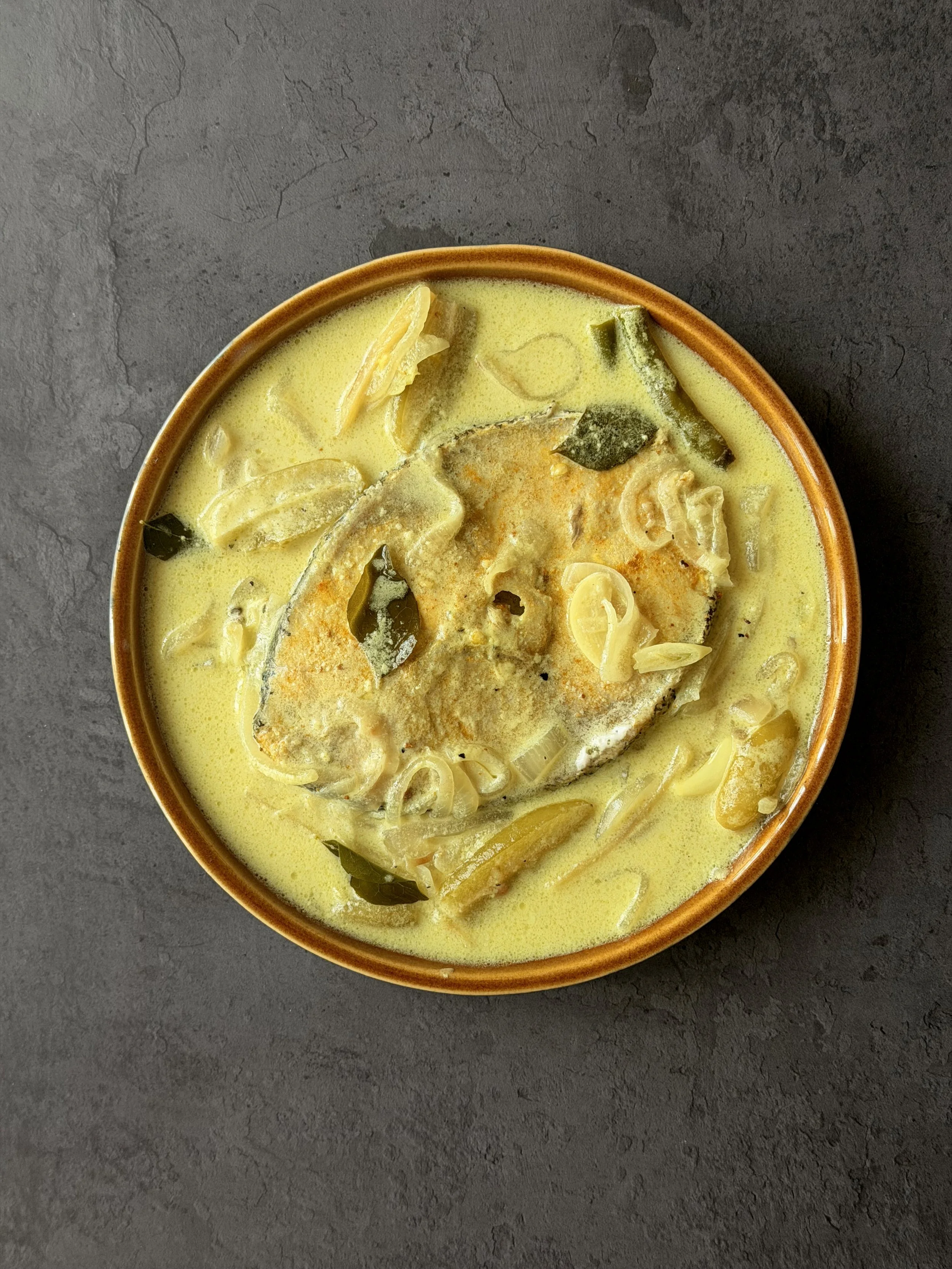
Fort Kochi Anglo-Indian Fish Molee with Bilimbi
Some recipes survive in cookbooks. Others survive as memories of something a grandmother used to make, usually accompanied by the frustrating observation that nobody thought to write it down.
This one began with a conversation with my friend, whose grandmother lived in Fort Kochi. He remembered her fish molee as pale yellow, gently spiced and distinctly sour, made with irumban puli, or bilimbi, a curious little green fruit that grows abundantly in parts of Kerala and Goa. It was usually served with appam or rice. Unfortunately, the recipe itself disappeared with her.
Bilimbi is particularly interesting here. Related to starfruit, it's intensely acidic, but without the citrusy perfume of lemon. As the sliced fruit simmers, it gradually releases its sourness into the coconut milk, balancing its richness without overwhelming the delicate fish.
What follows is my attempt to reconstruct that remembered dish, drawing on traditional Kerala fish molee techniques and my friend’s recollections. A little turmeric, ginger, green chillies, curry leaves and two stages of coconut milk. No tomatoes, no lemon, and no elaborate masala.
It may not be exactly what his grandmother cooked, but hopefully it's a little closer to bringing a lost family recipe back to the table.
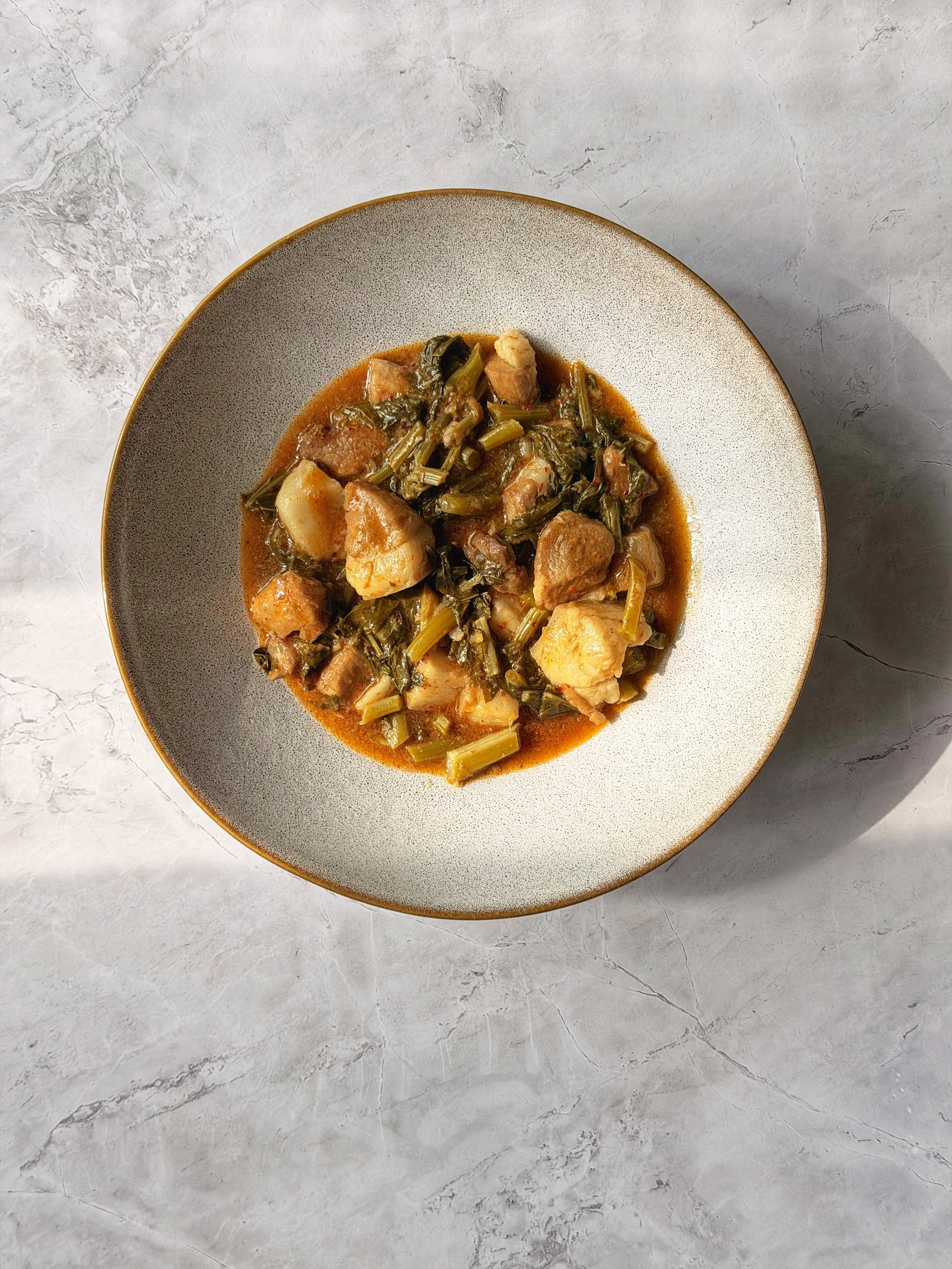
Boksa-Style Pork with Mustard Greens
There's something fascinating about recipes that achieve remarkable depth of flavour with almost no ingredients. This one, attributed to the Boksa community of the Terai region of Uttarakhand and Uttar Pradesh, uses just pork, mustard greens, ginger, chilli, glutinous rice and salt.
But the interesting part is how it's cooked.
The pork is first simmered in water until the liquid evaporates and the meat begins frying in its own rendered fat. Then come the mustard greens and another round of water. The whole process repeats, gradually concentrating the flavours until the greens collapse into the meat and the fat begins to separate again.
It's almost a lesson in culinary thermodynamics. Water cooks and tenderises; its evaporation allows the temperature to rise, changing the cooking process from simmering to frying. All in the same pot.
Adapted from a Boksa pork preparation documented in Pushpesh Pant's The Indian Cookbook.
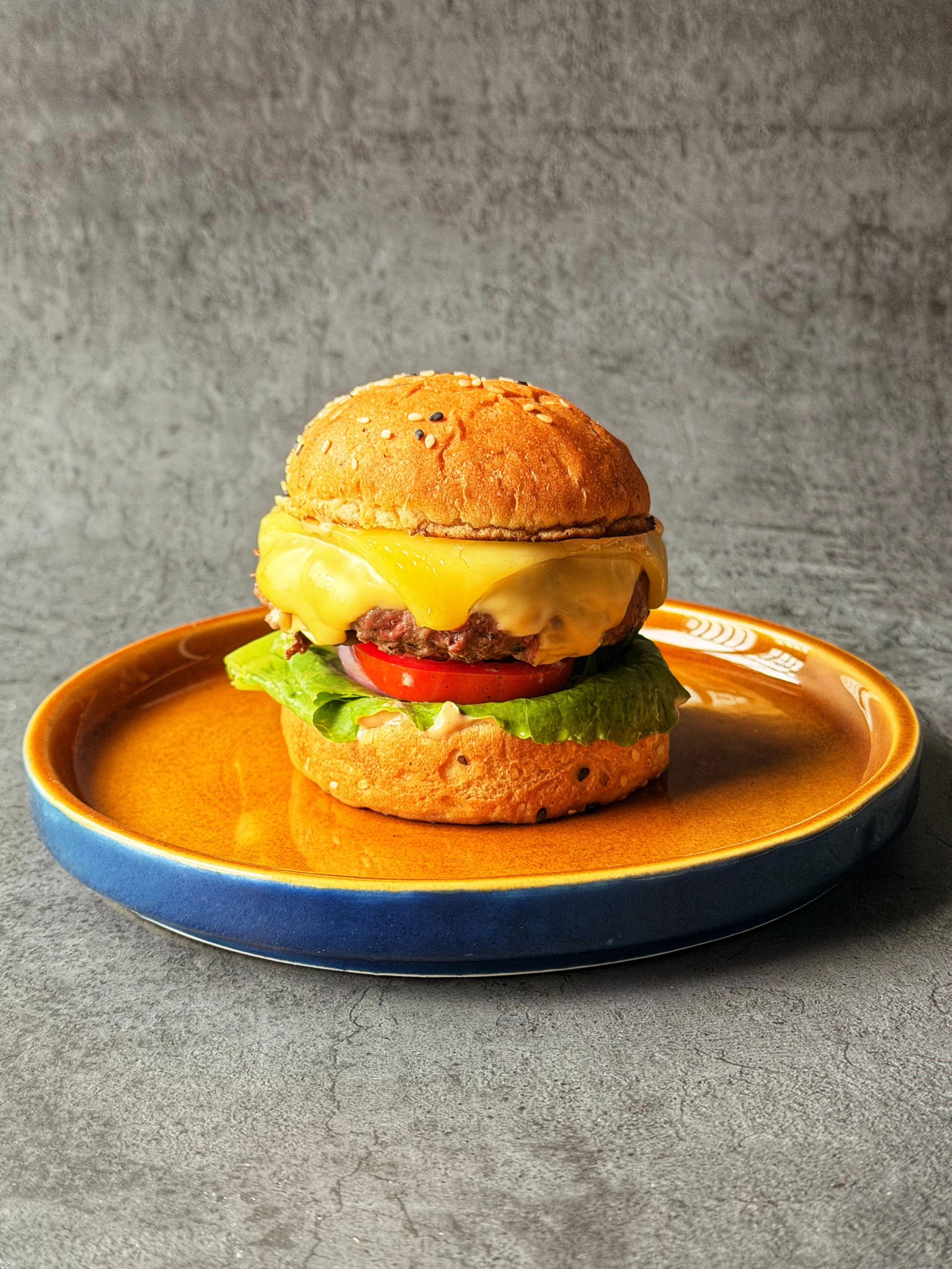
Diner-Style Cheeseburger
The American diner cheeseburger is a wonderful exercise in getting a few very ordinary ingredients to behave extraordinarily well. Beef, cheese, bread, pickles and a slightly suspicious-looking pink sauce. Nothing particularly sophisticated, yet the difference between a mediocre burger and a great one comes down to a handful of small decisions.
Start with the beef. An 80:20 meat-to-fat ratio gives you enough fat for flavour, browning and juiciness. Handle the mince gently, season it only after shaping, and let a hot pan build a proper crust. Salt mixed into the meat too early can produce something closer to sausage than hamburger. And American cheese, despite its rather unromantic reputation, is practically engineered for the job, melting into a smooth, glossy blanket.
This is my take on the classic diner cheeseburger. No elaborate toppings, no towering architecture, no need to dislocate your jaw. Just a properly browned beef patty, melted cheese, a toasted bun and enough tangy burger sauce to justify keeping a napkin nearby.
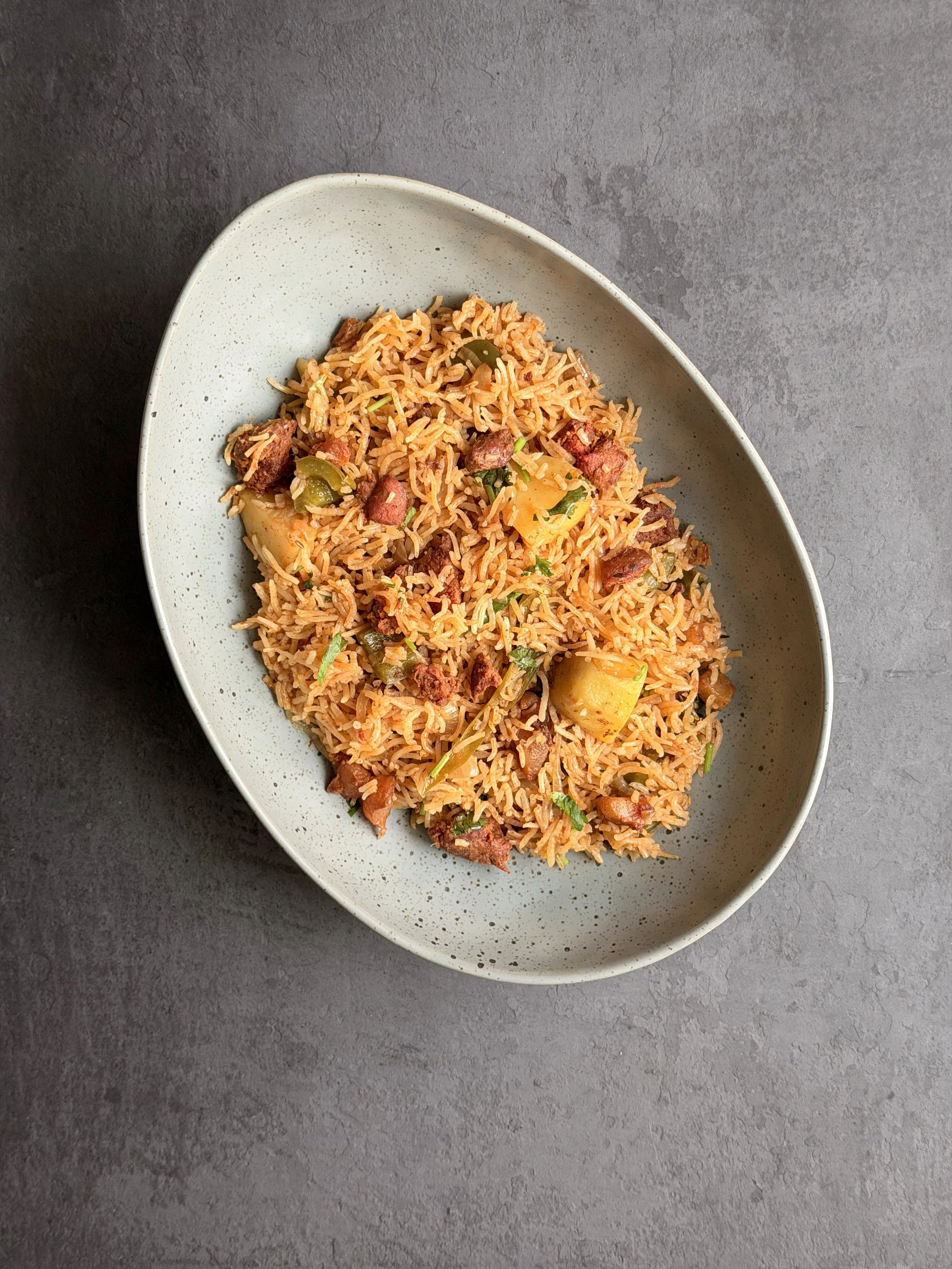
Chouriço Pulao
Goan chouriço is one of the more delicious consequences of the Portuguese encounter with the Konkan coast. Inspired by Portuguese sausage-making traditions but thoroughly adapted to local tastes, these little sausages are packed with pork, garlic, vinegar and a formidable quantity of spices. They're also remarkably good at turning a simple pot of rice into something worth getting excited about.
The trick is to let the sausages do most of the work. As they cook, they release a deeply flavoured, brick-red fat that becomes the foundation for the pulao. Onions, potatoes and rice are cooked in it, absorbing all that tangy, spicy, porky goodness. A few whole spices and green chillies provide backup, but there's really no need for an elaborate masala.
This version uses the small rosary-style sausages, with some reserved until the final cooking stage so they retain a little more character.
The only real danger is eating half the chouriço while waiting for the rice to cook.
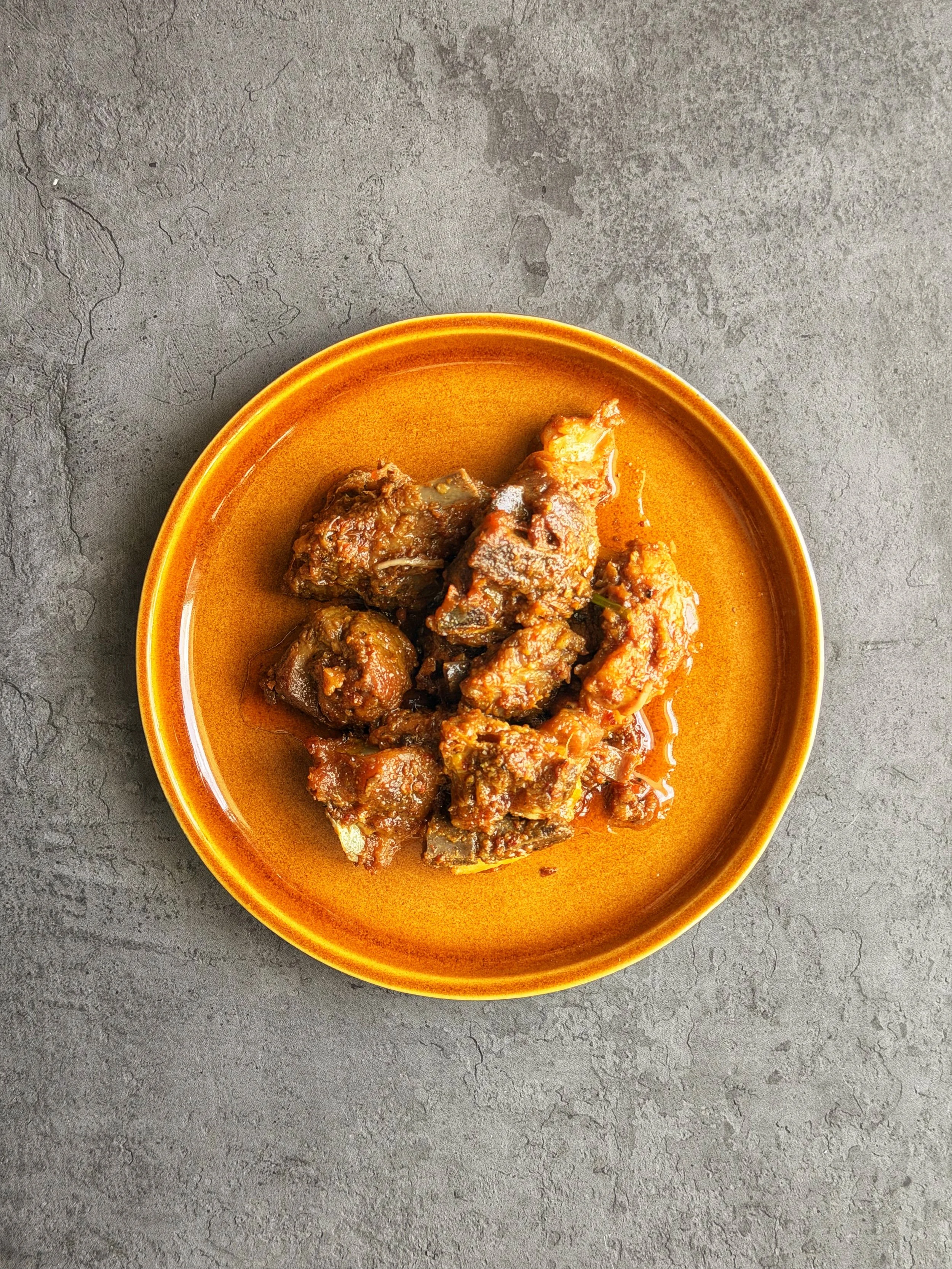
Khasi ko Pakku
Dashain is Nepal's biggest Hindu festival, a celebration of the victory of good over evil, family reunions, blessings and, in many households, a considerable amount of goat meat. Animal sacrifice is part of the festival's traditions for some communities, and the meat is shared among family and relatives, making dishes like Khasi ko Pakku an important part of the festive table.
Pakku is particularly interesting because its cooking method also reflects an older practical concern: making the most of freshly slaughtered meat in the days before refrigeration. Marinated with mustard oil, yogurt and spices, the goat is cooked slowly in its own juices, without adding water, until the moisture reduces and the masala clings tightly to the meat. The resulting relatively dry preparation could keep better than a watery curry, although it still requires proper refrigeration today.
It's a wonderful example of a cooking technique shaped by both celebration and necessity. Richly spiced, deeply savoury and especially good with chiura, rice or a sharp Nepali achar.
A festival dish with a rather practical understanding of what to do when there's an entire goat to get through.