
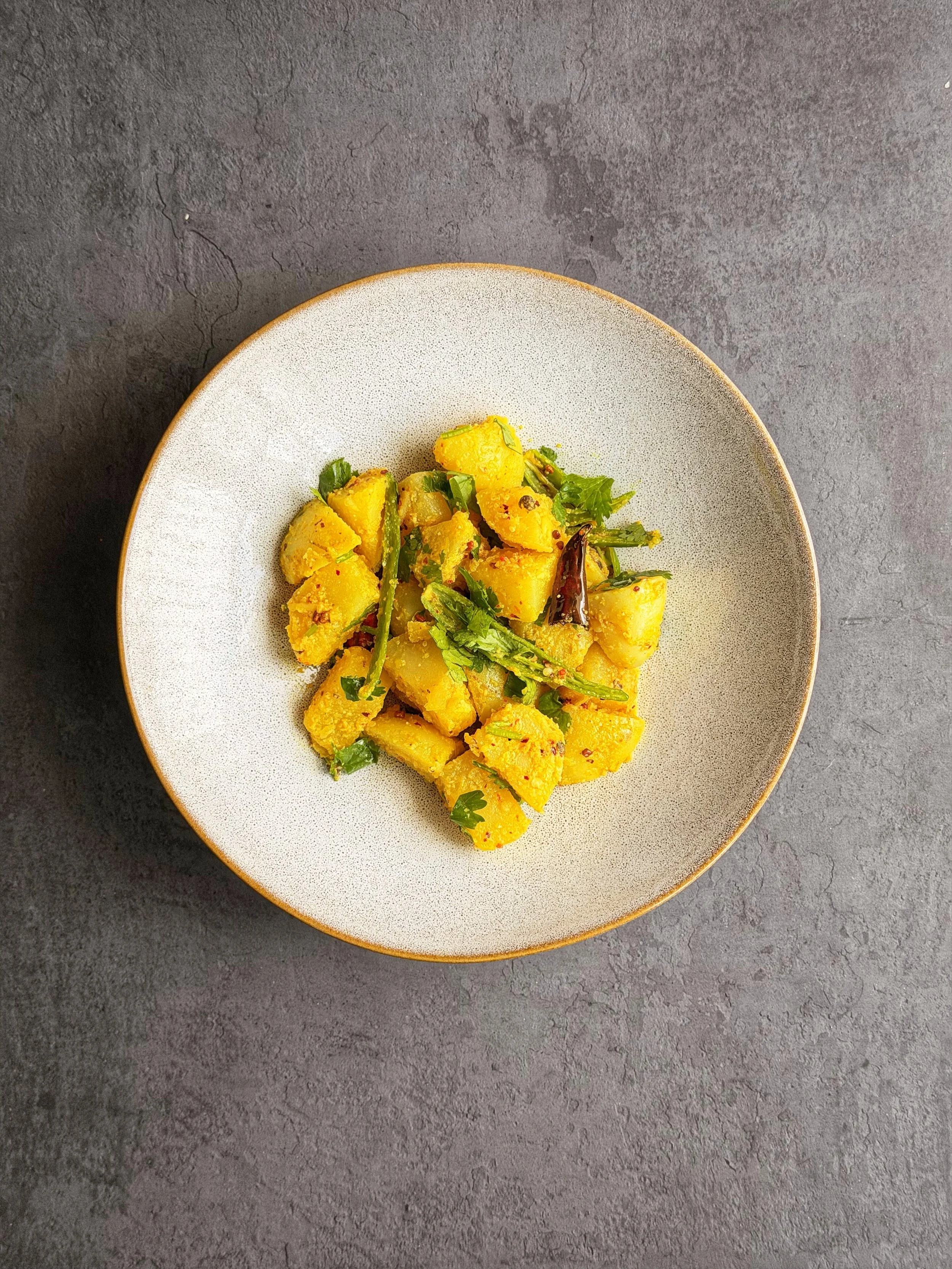
Aloo ko Achar
In Nepal, achar doesn't necessarily mean something pickled and preserved in a jar. Sometimes it's an entire potato dish masquerading as a condiment. Aloo ko Achar is one of those rather generous interpretations.
Boiled potatoes are tossed with roasted sesame seeds, green chillies, ginger, mustard oil and timur. A tempering of fenugreek seeds, taken almost to the edge of bitterness, adds another layer of flavour, while lemon juice keeps everything bright and tangy.
It's a familiar presence at Nepali gatherings and festive meals, including Dashain, where its acidity and nuttiness make a particularly good counterpoint to rich goat preparations like Khasi ko Pakku. It's equally happy alongside dal bhat or a plate of chiura.
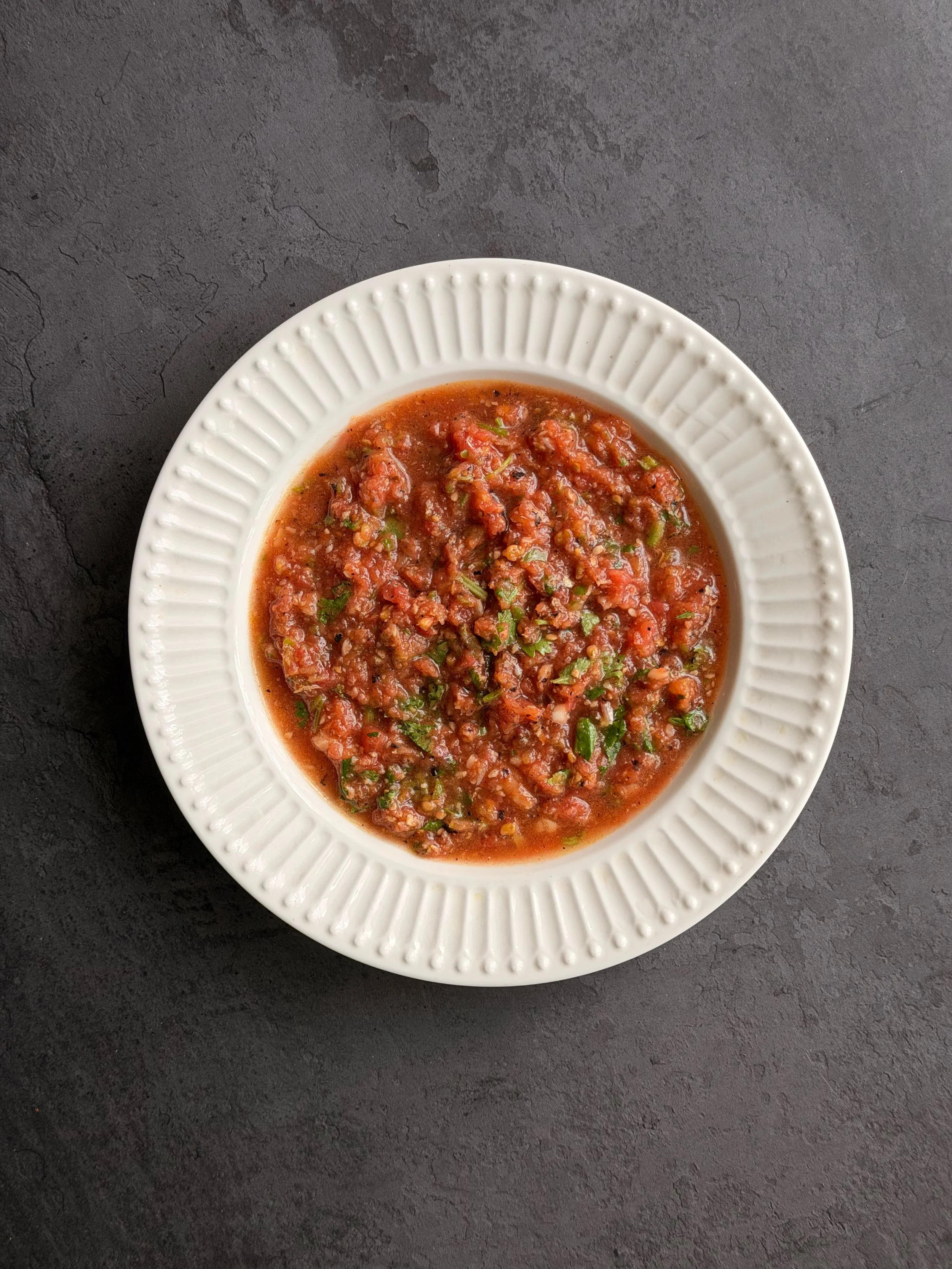
Golbheda ko Achar
In Nepal, achar is a considerably broader category than the pickles we usually associate with the word in India. It can be fresh, roasted, fermented, chunky or almost sauce-like, and often plays a much bigger role in a meal than its modest position on the plate suggests.
Golbheda ko Achar is a particularly good example. Whole tomatoes are roasted over an open flame until their skins blister and their flesh turns soft and smoky. They're then crushed with toasted sesame seeds, garlic, green chillies and timur, Nepal's wonderfully aromatic, tongue-tingling relative of Sichuan pepper. A little mustard oil brings everything together.
The result is smoky, sour, nutty and pleasantly fiery. Traditionally served alongside dal bhat and other Nepali meals, it's also an excellent companion to rich meat dishes like Khasi ko Pakku.
Technically a condiment. Quite capable of becoming the main attraction.
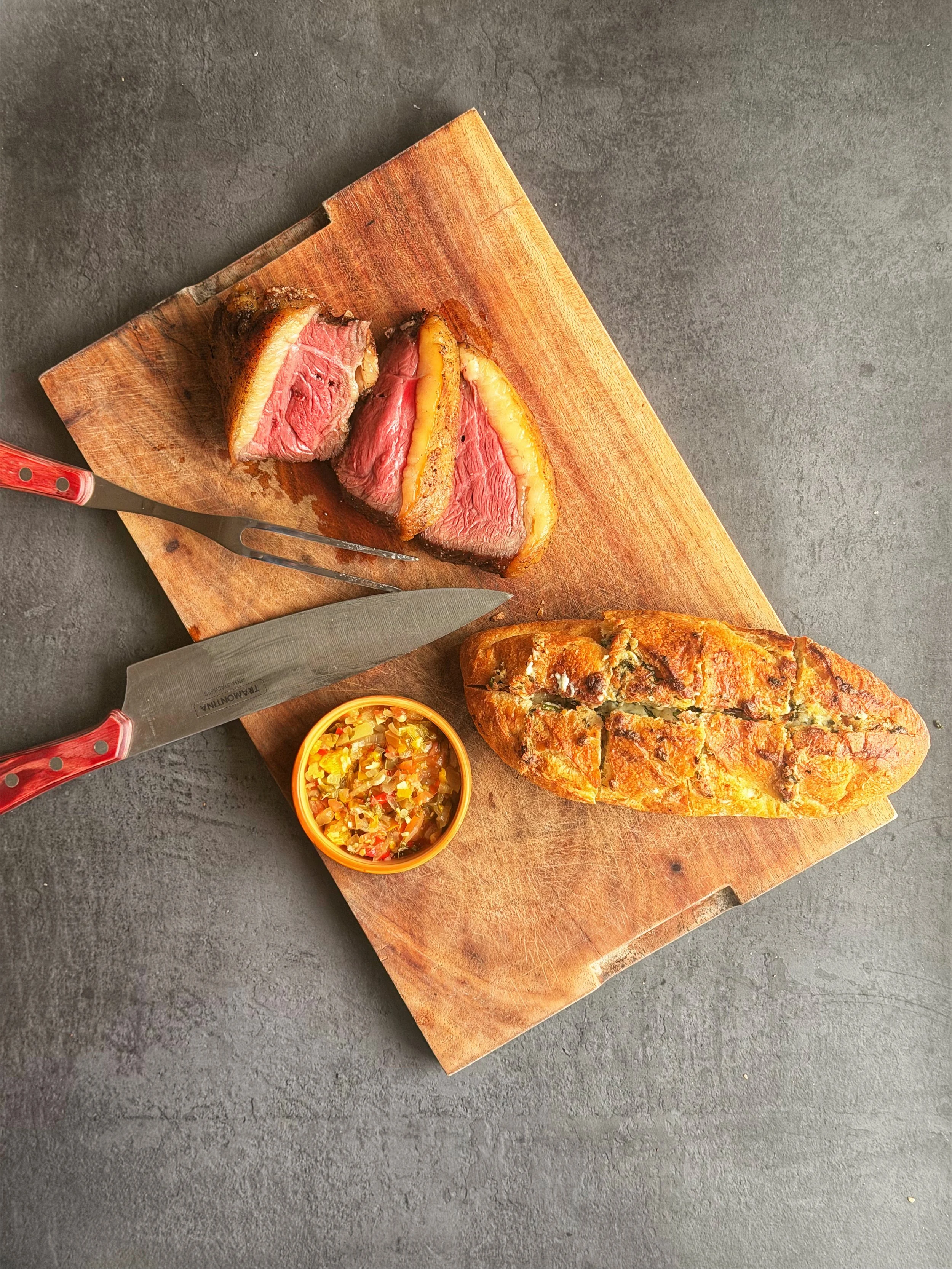
Churrasco-Style Picanha with Pão de Alho
Brazilian churrasco is built around a rather appealing philosophy: good meat, coarse salt, fire, and the understanding that sometimes the fat is the best part. Picanha, the prized rump-cap cut with its distinctive layer of fat, is practically an institution in Brazilian barbecue culture.
Traditionally cooked over charcoal, this version takes the party indoors. A slow roast brings the beef gently towards medium-rare before a hot cast-iron skillet renders the fat cap into something golden, crisp and deeply satisfying. It's a little less theatrical than a churrasqueira, but considerably more practical in an apartment.
Alongside it is pão de alho, Brazil's gloriously excessive contribution to garlic bread, stuffed with butter, mayonnaise, garlic and cheese, then baked until bubbling.
The Brazilians have clearly figured out that beef fat and garlic butter are not problems requiring solutions.
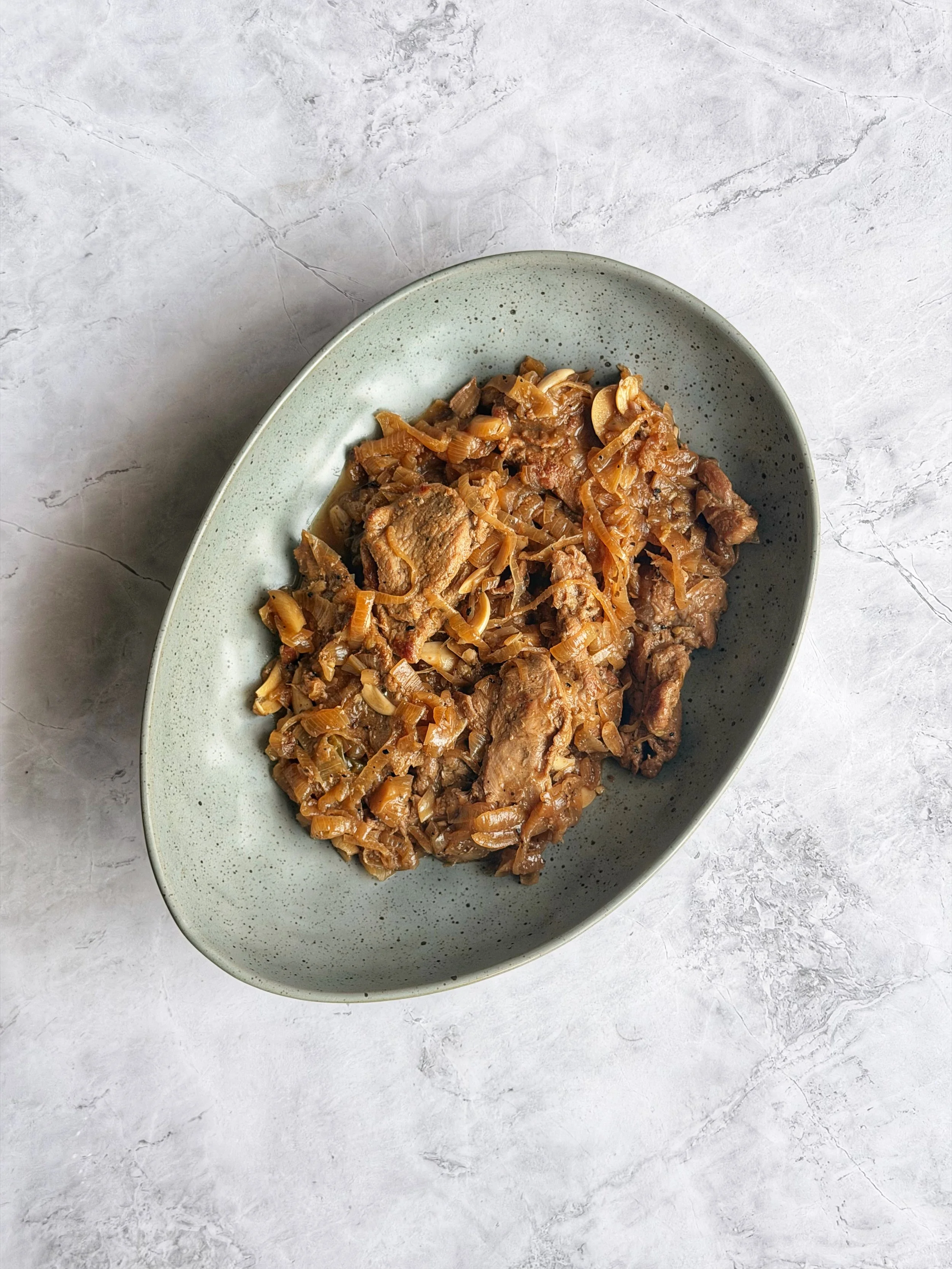
Bife de Cebolada
The Portuguese have a rather sensible approach to onions: use plenty of them, cook them slowly, and let them do most of the work. Bife de Cebolada is built around exactly that idea, with beef cooked in a generous tangle of softened onions, garlic, bay leaves and wine.
The dish also has a place in Goan cooking, one of the many culinary connections left by centuries of Portuguese influence. Goan versions retain the onion-heavy character but may introduce local touches such as green chillies, vinegar and a slightly more assertive seasoning. It's a lovely example of how a dish can travel across continents and gradually acquire a different accent.
While Portuguese versions often use steaks cooked relatively quickly, this adaptation takes a slower route, using thinly sliced hindquarter beef gently braised in white wine and stock until tender. The onions become sweet and silky, while the wine and vinegar keep everything balanced.
Six hundred grams of onions for a kilo of beef. Apparently, this was one Portuguese idea Goa saw absolutely no reason to argue with.
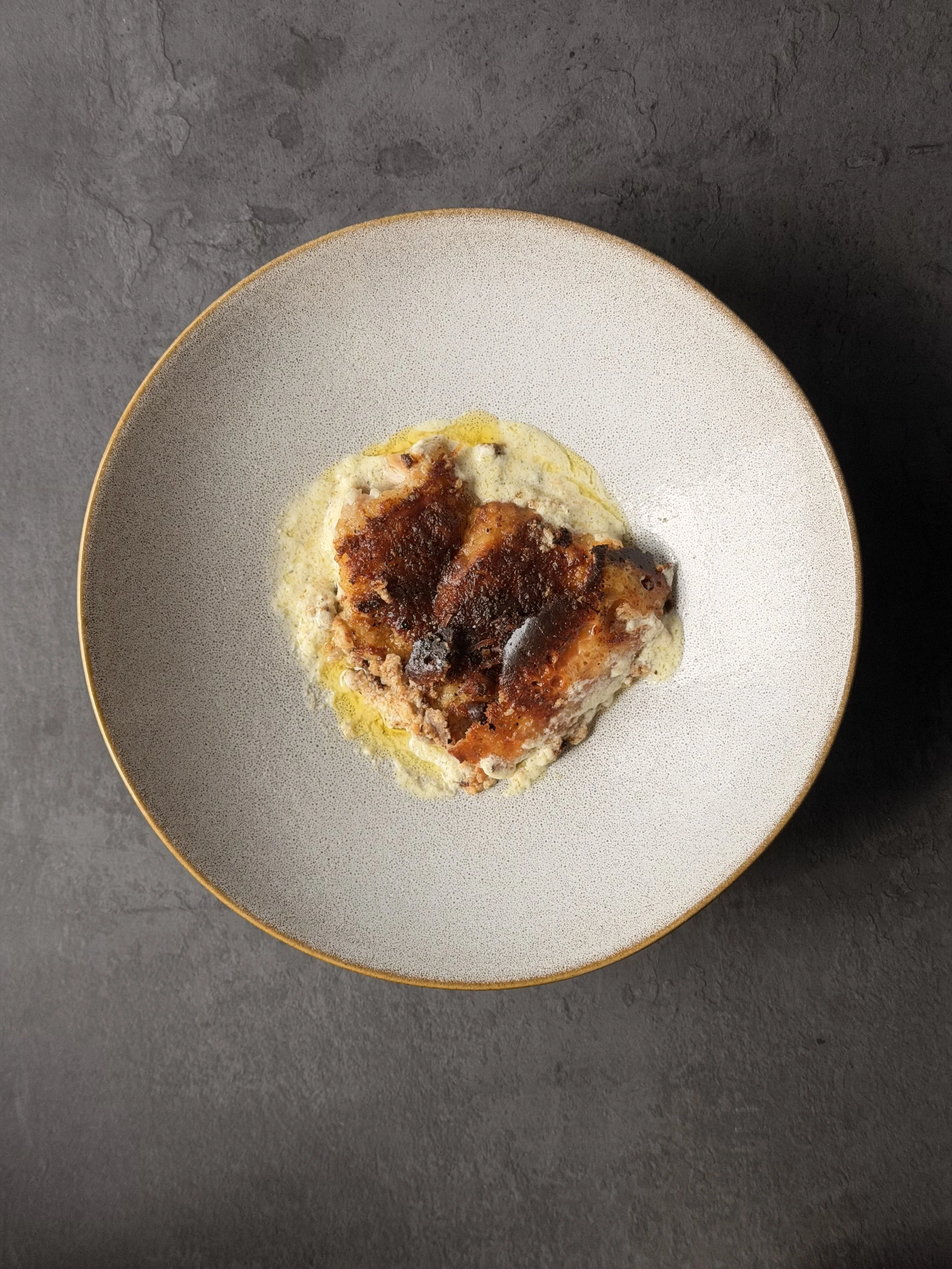
Swiss Chicken Bake
Despite the name, this is considerably more American casserole than Swiss culinary tradition. The Swiss contribution is Emmental, that wonderfully nutty, melty cheese. Everything else appears to have been assembled by someone who looked at a perfectly respectable piece of chicken and decided it needed considerably more dairy.
Boneless chicken thighs get a blanket of Emmental, followed by a rather extravagant mixture of mayonnaise, sour cream, Parmesan and garlic. A scattering of panko goes on top, and the oven takes care of the rest.
The result is juicy chicken beneath a bubbling, golden crust, with enough melted cheese and creamy sauce to make the concept of restraint seem rather unnecessary.
Essentially, a cheese casserole with chicken somewhere underneath.
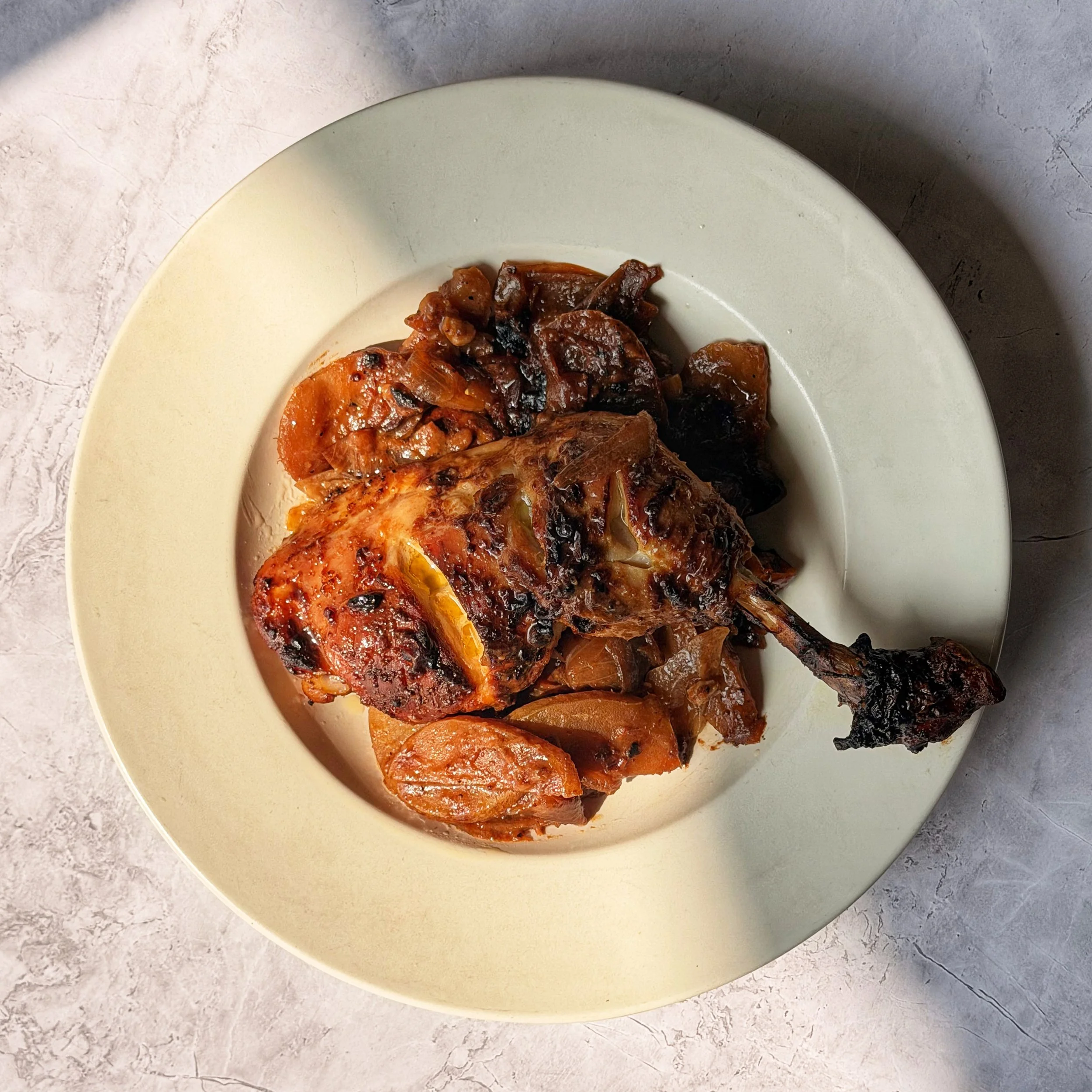
Miso-Maple Roast Chicken with Potatoes & Onions
Mayonnaise, miso and maple syrup sound like three ingredients that met by accident in the refrigerator. Turns out, they make a rather formidable roasting marinade.
There's some useful kitchen chemistry at work here. Mayonnaise provides an emulsion of fat and water that helps the seasoning coat everything evenly. White miso brings fermented savouriness and a generous dose of umami, while maple syrup contributes sweetness and helps develop that sticky, deeply caramelised crust.
The chicken sits on a bed of potatoes and onions, which spend the next hour absorbing rendered chicken fat, roasting juices and whatever miso-maple goodness makes its way down.
It's the sort of recipe that requires fifteen minutes of actual effort, one roasting tray and very little washing up.
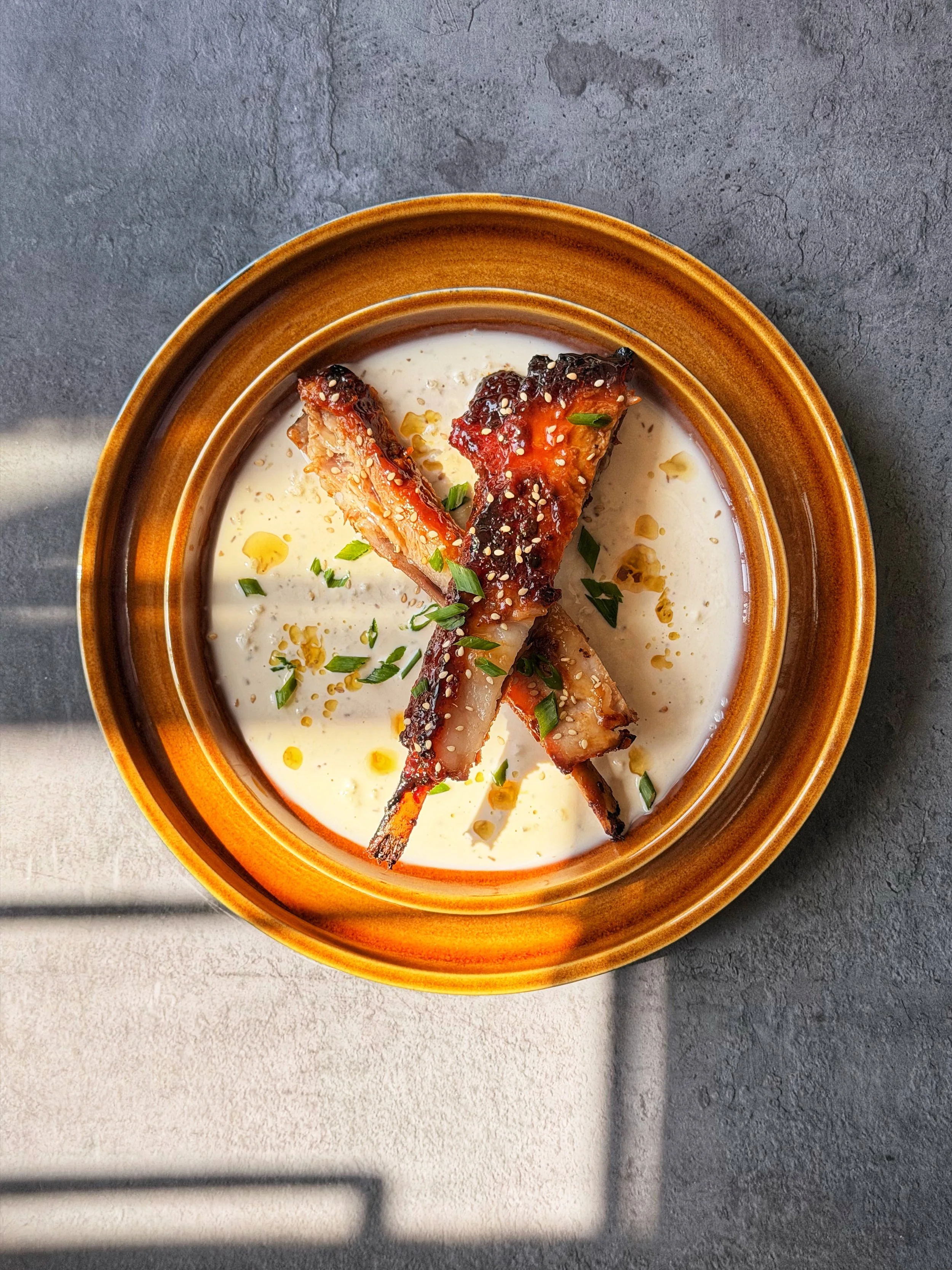
Korean BBQ Pork Ribs
Korean fermented pastes are particularly good at making pork taste like considerably more effort went into it than actually did. Ssamjang brings the deep, savoury funk of fermented soybeans, while gochujang contributes chilli, sweetness and a rather enthusiastic shade of red.
The trick here is keeping the two stages separate. The ribs are first marinated with ssamjang, ginger and garlic, then slowly roasted under foil until tender. Only then does the gochujang and honey glaze go on, followed by a blast of high heat to turn everything sticky, glossy and lightly charred. A little perilla seed oil adds its distinctive nutty aroma at the end.
It's Korean-inspired rather than a traditional Korean barbecue preparation, but the flavour combination makes a very convincing argument for keeping both pastes in your fridge.
Low and slow for the meat. Hot and fast for the sticky business.
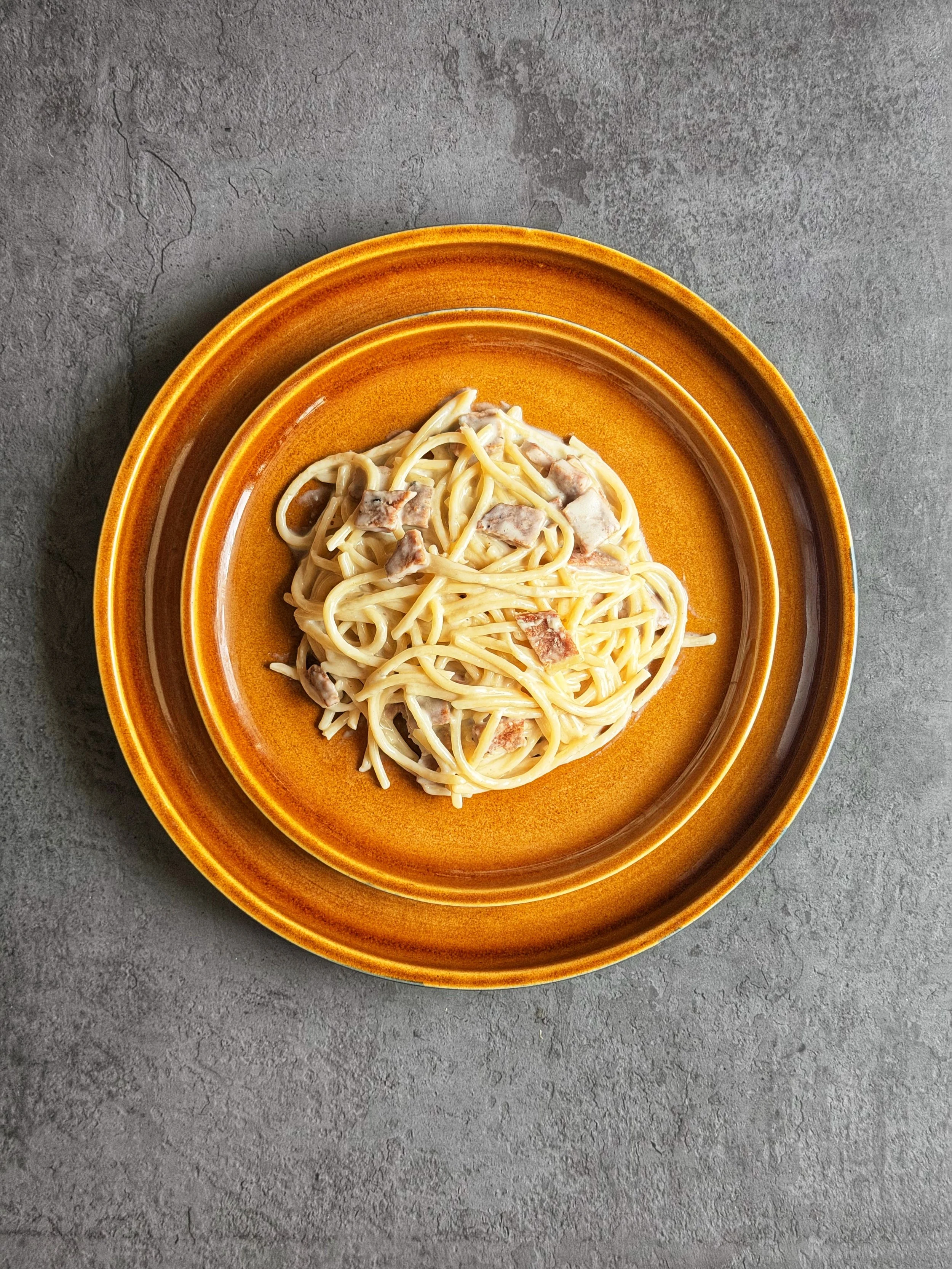
Spaghetti with Roquefort Mornay
Trust the French to take a perfectly respectable white sauce, introduce a rather opinionated blue cheese, and turn the whole thing into an exercise in controlled indulgence.
The starting point is béchamel, one of the classic French mother sauces. Add cheese and it becomes Mornay. This particular variation goes a little further, incorporating an egg for additional richness and using Roquefort, the famously pungent sheep's milk blue cheese, instead of the more conventional Gruyère or Emmental.
The technique is reassuringly old-school: cook a pale roux, gradually whisk in hot milk, temper the egg, then gently melt in the cheese. The result is a velvety sauce with enough salty, tangy, blue-cheese character to make even plain spaghetti feel rather extravagant.
Essentially, French sauce-making applied to Italian pasta, with Roquefort making absolutely sure it gets top billing.
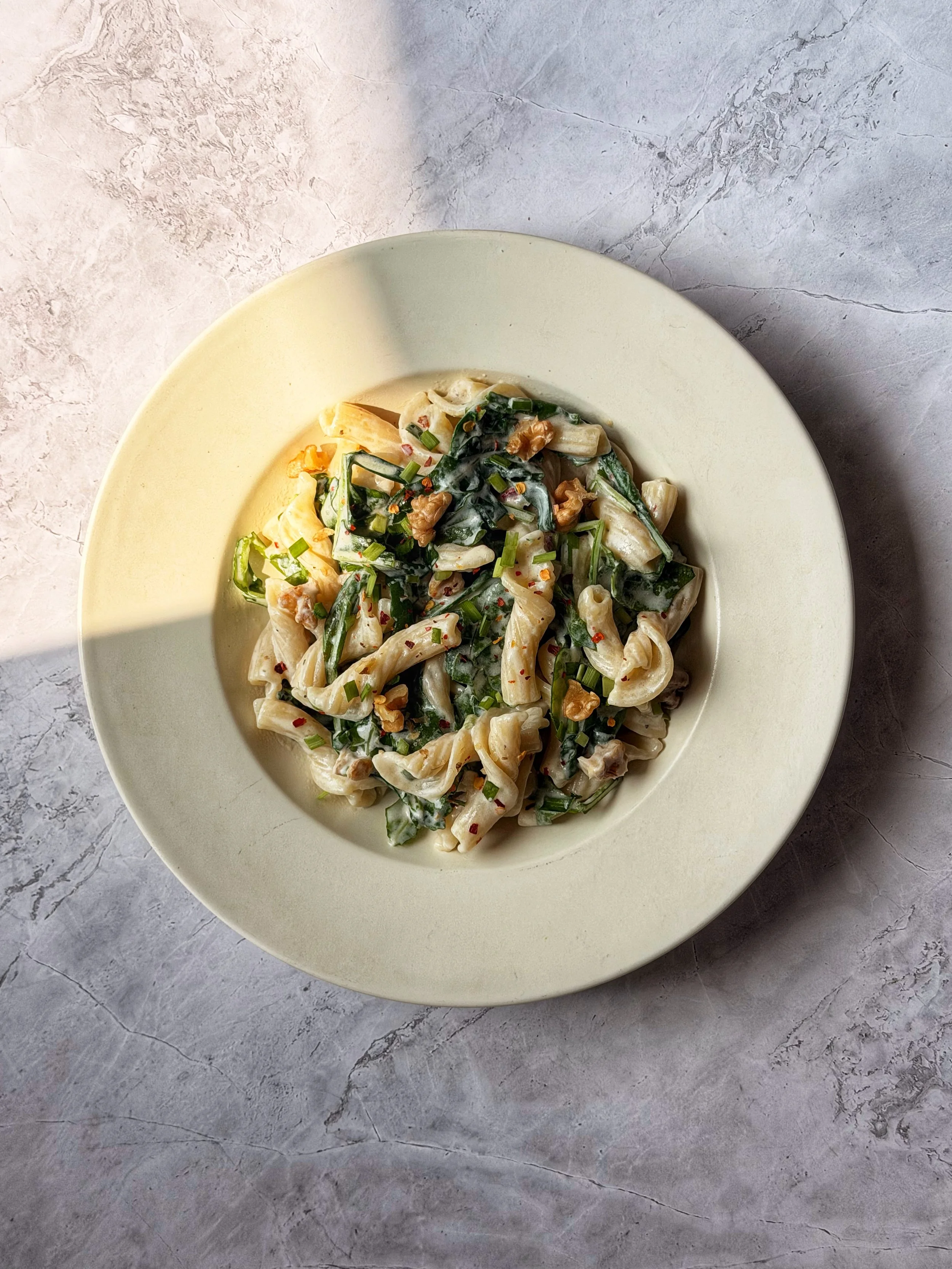
Torchietti with Truffle Chèvre, Arugula & Walnuts
Creamy pasta sauces usually involve some combination of heat, cheese and frantic emulsification. Chèvre has a slightly different opinion on the matter. Because goat cheese is acid-set, heating it too aggressively can turn what should be a silky sauce into something decidedly chalkier.
The useful trick is remarkably simple: work the chèvre with olive oil first, then let hot pasta and a splash of starchy cooking water do the rest. The cheese loosens into a creamy coating without requiring butter, flour or an actual cream sauce.
Here, truffle chèvre makes that sauce particularly aromatic, while arugula brings peppery freshness and toasted walnuts provide crunch. Torchietti gives all of it plenty of twists and folds to hide in.
Essentially, a very luxurious pasta held together by a small piece of cheese chemistry.
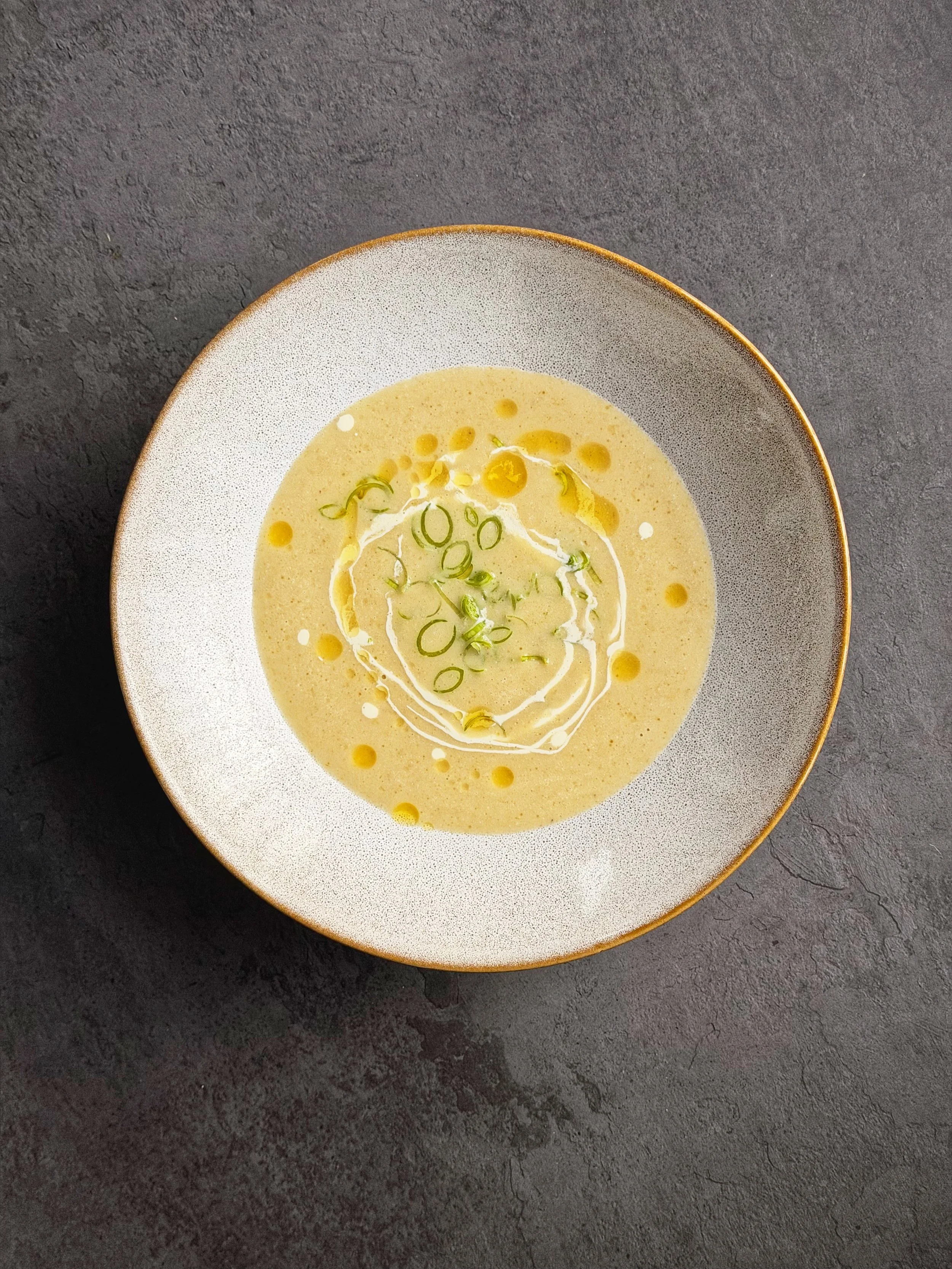
Potato & Leek Soup
Antoine-Augustin Parmentier spent a considerable part of the 18th century trying to convince the French that potatoes were food.
Having encountered potatoes while a prisoner of war in Prussia, the French pharmacist and agronomist became one of their great champions back home, promoting a crop that was still regarded with considerable suspicion in France. His name eventually became culinary shorthand for dishes involving potatoes, including potage Parmentier, the classic French combination of potatoes and leeks.
It's difficult to imagine anything less controversial today. Leeks are slowly softened in butter, potatoes simmered until tender, then everything is blended and enriched with milk and cream. The trick is mostly restraint: don't brown the leeks and don't overwork the potatoes in the blender.
Two vegetables that once needed a public-relations campaign, now requiring little more than butter and a saucepan.
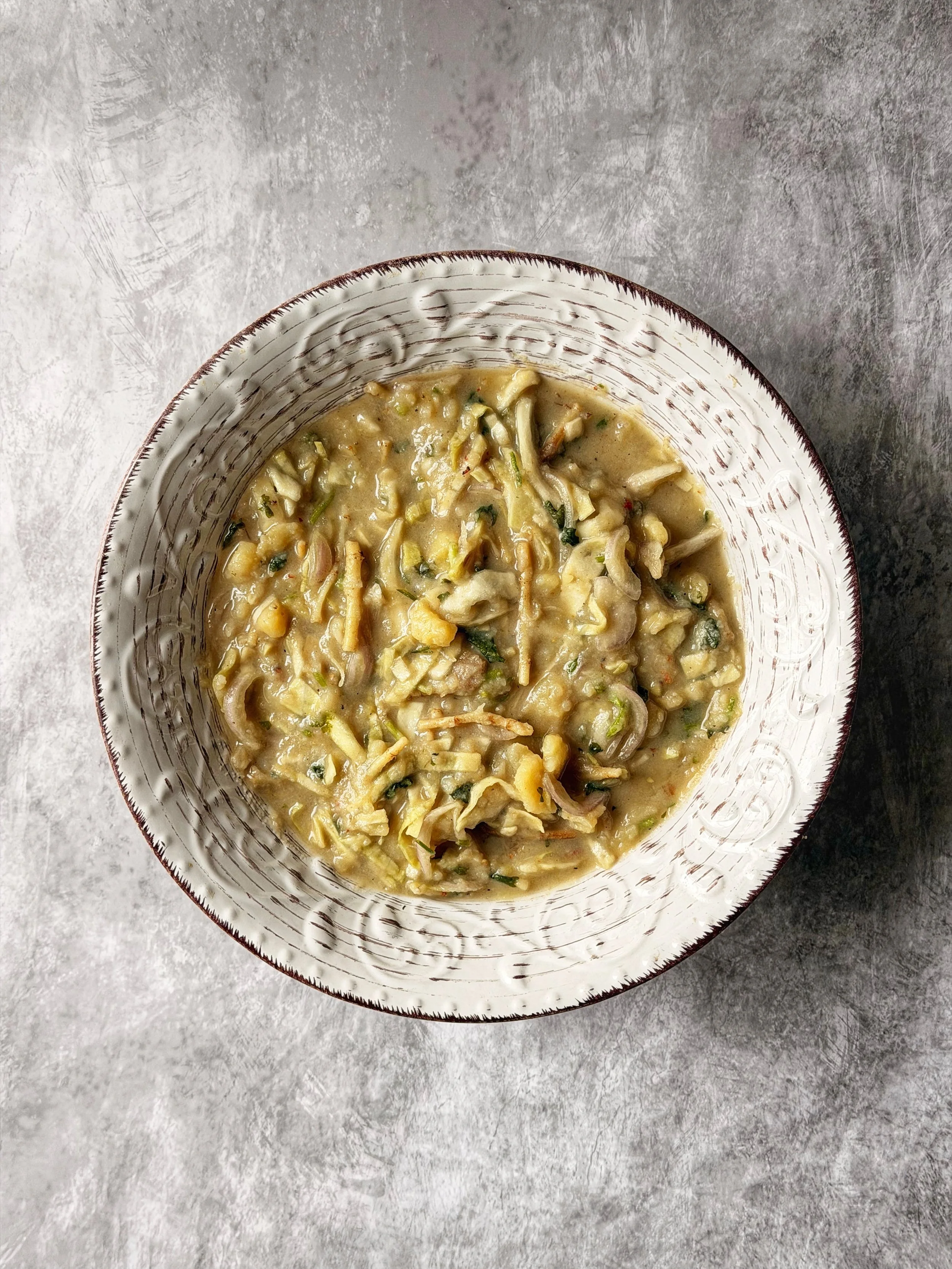
Toningkhok Eromba
Eromba is a wonderful example of how very few ingredients can create an astonishing amount of personality. A staple of Meitei cooking in Manipur, it is essentially vegetables mashed with chillies and ngari, the region’s intensely aromatic fermented fish. No elaborate masala, usually no oil, and very little standing between you and the ingredients themselves.
This version gets particularly interesting because of toningkhok, the underground rhizomes of fish mint. Briefly blanched, they remain crunchy and bring that unmistakably herbal, almost feral fish-mint aroma against the soft potato. Then there is raw cabbage and onion for more crunch, ngari supplying the fermented funk, and a bhut jolokia making sure nobody gets too comfortable.
It looks like a humble bowl of mashed vegetables. Your nose will inform you otherwise.
Soft, crunchy, funky, fiery and somehow accomplished without frying a single onion.
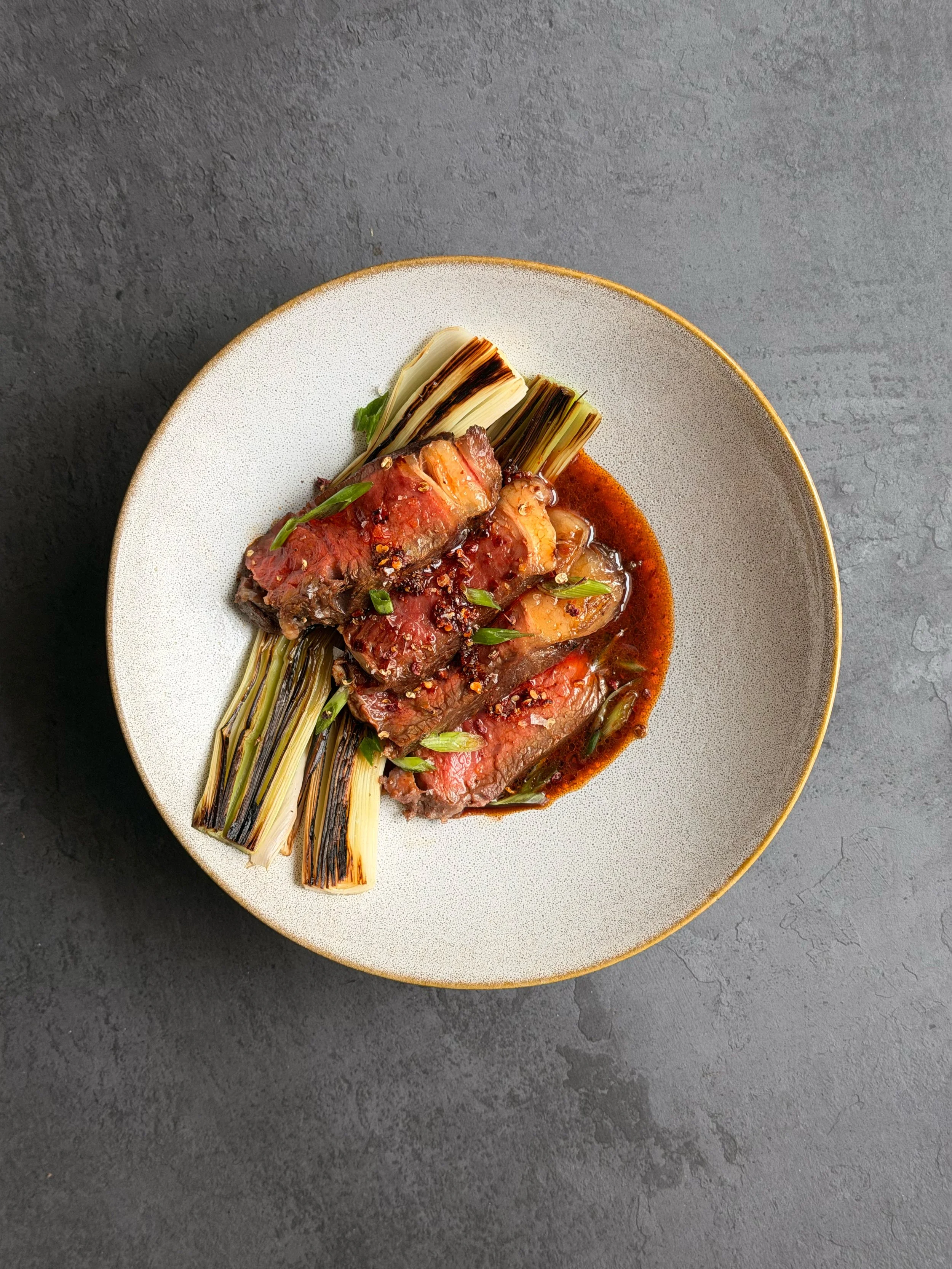
Sichuan Ribeye with Charred Leeks & Chilli-Oil Beef Jus
A French steak wandered into a Sichuan pantry and things escalated.
The ribeye gets the classic treatment: hard sear, gentle oven, proper rest. The beef jus, however, gets doubanjiang, Shaoxing wine, soy, Chinkiang vinegar, Sichuan pepper and chilli oil. Underneath, leeks are deliberately taken to the edge of burnt, turning sweet, smoky and almost creamy inside.
Not quite Sichuan steak. Not steak with Sichuan sauce either. More like French technique having a very good time with Sichuan problems.
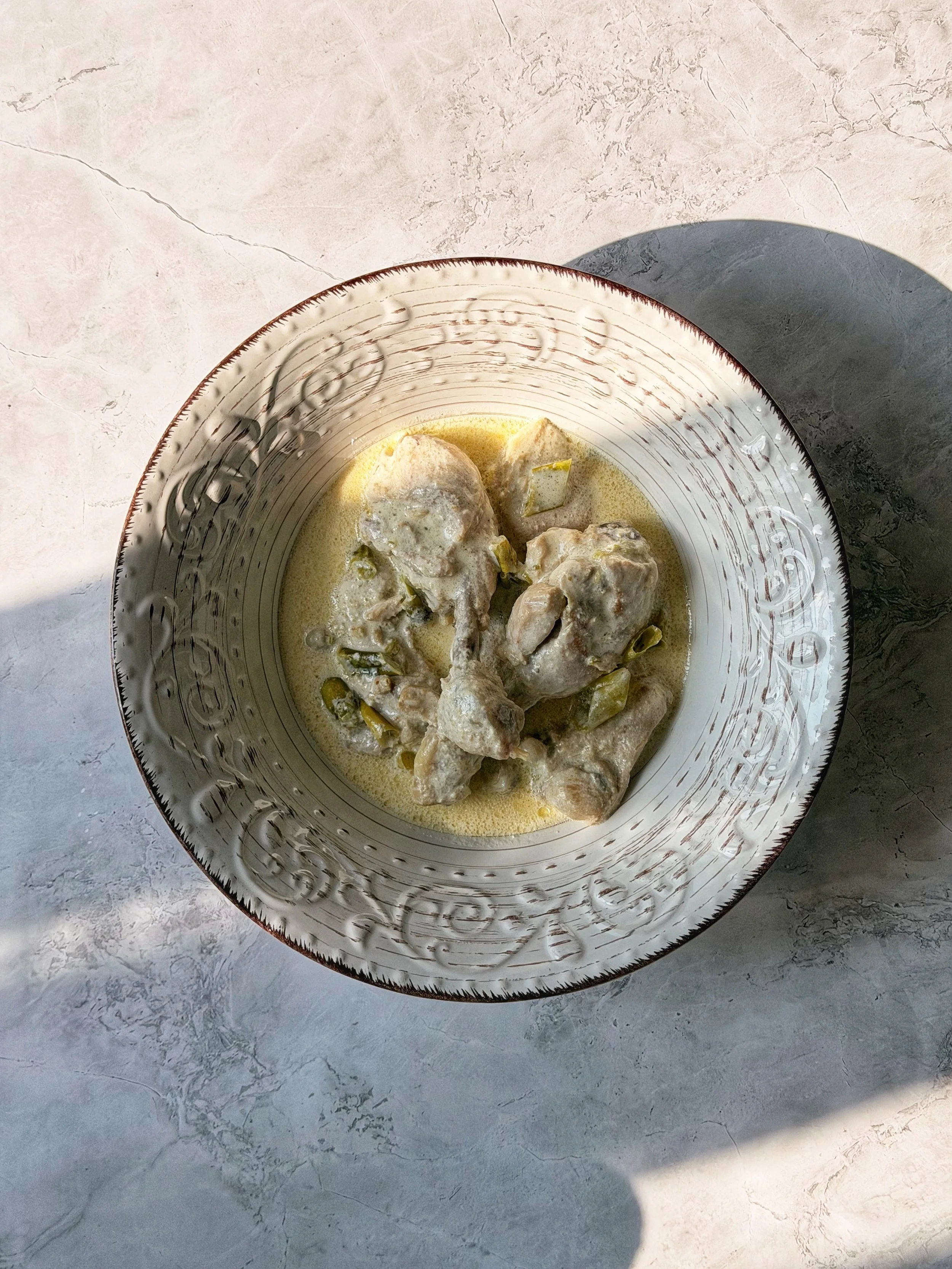
Chicken Haleeb
A Pakistani chicken curry built around the unlikely efficiency of green chillies, milk and cream. No onion, no ginger-garlic paste, no powdered spices. The chicken is first fried with blistered green chillies, then gently simmered in milk and finished with cream, creating a sauce almost entirely from dairy, chicken juices, fat and chilli.
It’s a particularly good example of technique doing the work normally assigned to a long ingredient list. The chillies perfume the oil, the chicken is allowed to brown before any liquid goes in, and the milk is kept at a careful simmer until it reduces around the meat. What looks almost suspiciously simple on paper turns into something rich, savoury and distinctly chicken-forward.
It’s also one of those recipes worth keeping around for days when the desire to eat properly is considerably greater than the desire to prep anything.

Gongura Naatu Kodi Kura
Gongura and chicken are already very good friends in Andhra cooking. Take that friendship towards Rayalaseema, though, and things get considerably more heated.
This version leans into the region’s reputation for bold, chilli-forward meat preparations: plenty of green chilli, garlic and spice, with the gongura bringing a sharp, almost mouth-puckering sourness through all that heat. Country chicken works particularly well because its firmer texture and deeper flavour can handle the longer cooking without disappearing under the masala.
The important part is not to treat the gongura as just another leafy green. It is the personality of the curry. The chicken is cooked almost completely before the gongura goes in, then everything is reduced together until the masala becomes dark, thick and almost jammy. A little poppy seed and cashew paste gives it body without sanding down those sharper edges.
The result isn't subtle, and it has absolutely no ambition to become subtle. Rayalaseema has entered the chat.
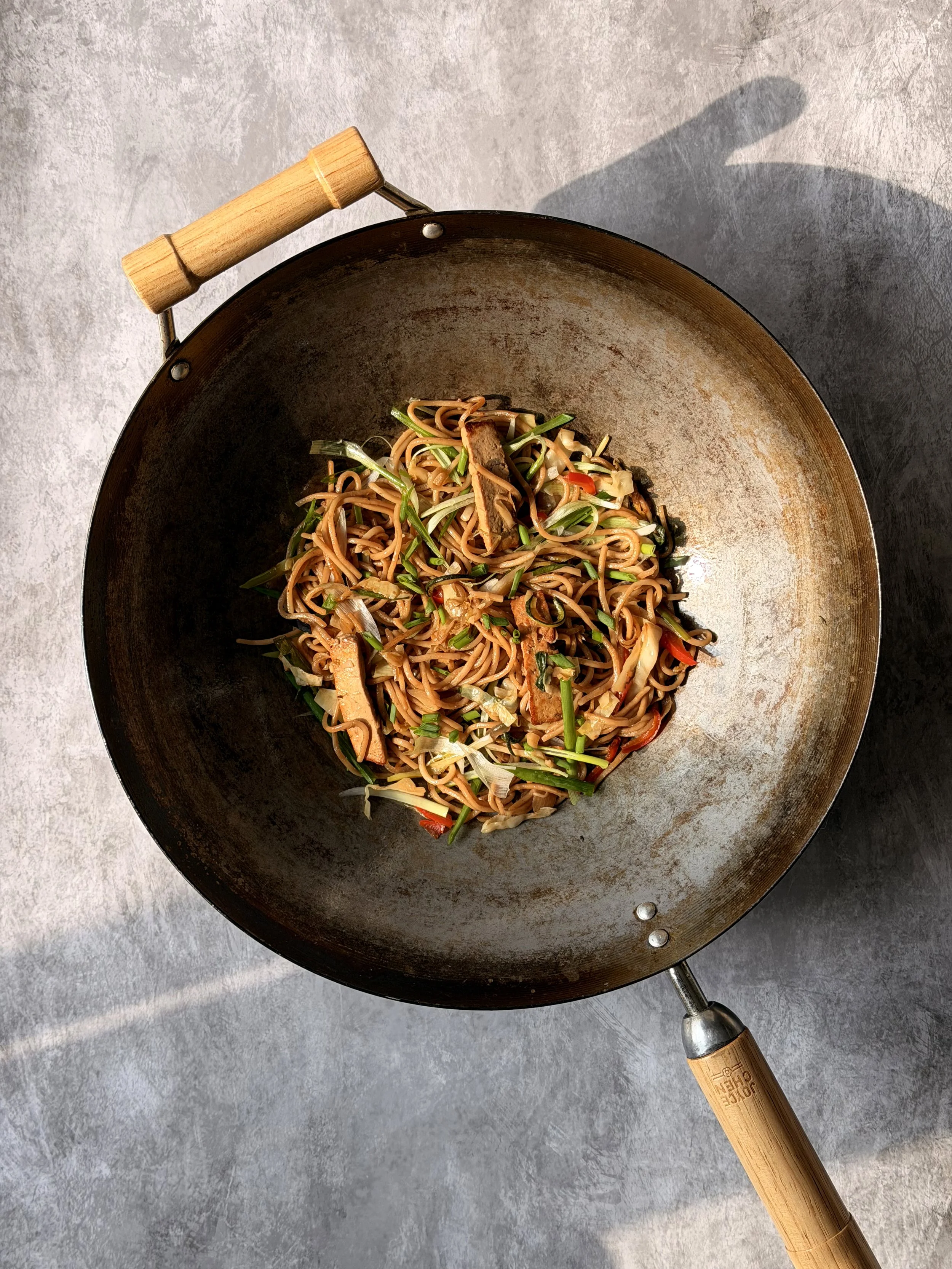
Tofu Lo Mein
Lo mein is one of those dishes where the ingredient list makes it look like there isn’t much going on. Noodles, vegetables, tofu, soy sauce. Fine. Then everything hits a screaming-hot wok and suddenly dinner becomes a small logistical operation.
The trick is having absolutely everything ready before you start. The tofu is pressed and lightly seasoned, the vegetables are cut into similar-sized strips, the noodles are cooked, and the sauce is waiting within grabbing distance. Once the wok starts smoking, there is no leisurely chopping of spring onions.
What makes this version particularly satisfying is the takeout-style finish: the sauce and a splash of stock are allowed to bubble and thicken in the centre of the wok before everything gets tossed through it. That turns a handful of fairly ordinary ingredients into slippery noodles coated in a dark, glossy, savoury sauce, with crisp vegetables and golden-edged tofu mixed throughout.
Twenty minutes of preparation. About six minutes of controlled panic.

Pork Jjajangmyeon
Jjajangmyeon is Chinese by ancestry, Korean by upbringing. It evolved from Chinese zhajiangmian, brought by Chinese migrants to Korea, and eventually became so thoroughly Korean that it now has its own place in the country's comfort-food culture.
The star is chunjang, a nearly black fermented black bean paste with a salty, earthy and slightly bitter personality. Fry it in pork fat, though, and it mellows beautifully. Add pork belly, onions, cabbage, potato and zucchini, then thicken everything into that characteristic dark, glossy sauce.
It even has its own unofficial occasion: Black Day, when single people traditionally eat jjajangmyeon on April 14. Nothing says romantic independence quite like aggressively mixing a bowl of black noodles.

East Indian Beef Curry
I wanted to see what would happen if an East Indian curry met a piece of beef that had absolutely nowhere to be.
A whole slab of short ribs gets the long treatment with homemade bottle masala, red wine and beef stock, before coconut milk joins the party towards the end. The idea was to let the beef get properly tender without cooking the coconut into oblivion.
Three-and-a-half hours later, the ribs were barely holding onto the bone, the gravy had picked up all that beefy, gelatinous goodness, and the bottle masala was doing exactly what bottle masala does best.
Not exactly a weeknight curry. Very much worth cancelling plans for.

Kadhi Muthiya
Kadhi Muthiya feels a little like someone looked at a perfectly respectable bowl of kadhi and decided it needed considerably more architecture.
The muthiya start with cooked rice and grated lauki, bound with besan and wheat flour, seasoned, shaped into little logs and steamed. But apparently being cooked once isn't enough. They are cooled, sliced, then fried with sesame, green chillies and curry leaves until the edges turn golden and slightly crisp.
Alongside is a thin, tangy curd and besan kadhi, slowly cooked and finished with a hot ghee tadka. Put the two together and you get that particularly satisfying combination of soft centres, toasted edges and sharp, soothing kadhi.
Steamed, sliced, fried, drowned. A perfectly reasonable amount of effort for leftover rice and a bottle gourd.

Kulith Amti
Horse gram has a flavour that refuses to disappear politely into a curry. It is earthy, slightly nutty and distinctly itself, so this amti is built around that character rather than trying to cover it up.
The kulith is soaked, sprouted and cooked first, with its cooking liquor saved for the gravy. Kanda lasun masala brings roasted chilli, garlic and coconut depth, while tamarind and jaggery sit quietly in the background doing the Maharashtrian sweet-sour balancing act. A handful of the horse gram gets mashed back into the pot for body, and goda masala and roasted cumin go in towards the end so their aroma survives the journey.
It is dark, hearty and particularly good with rice and a little ghee.
Turns out horse gram has quite a lot to say. Best not interrupt it.

Kutt Kofte
Kutt Kofte begins with half a kilo of horse gram and the slightly absurd instruction that, after soaking it for 12 hours, sprouting it for another day and cooking it until tender, you don't actually need the horse gram.
What you want is the dark cooking liquor left behind. That is reduced into kutt, then built into a tangy gravy with coconut, tomato, tamarind, garlic and chilli. Mutton koftas are simmered directly in it, boiled eggs join the party, and a final tadka of onions and curry leaves fried in ghee goes over everything.
It is a deeply warming Dakhni Muslim preparation associated with Bengaluru, particularly with Ramzan and the cooler months. Rich meatballs, eggs and coconut sit against the earthy horse gram and sharp tamarind, producing something much more complex than its rather humble starting point suggests.
Two days of work to extract the bit most recipes tell you to drain away.