
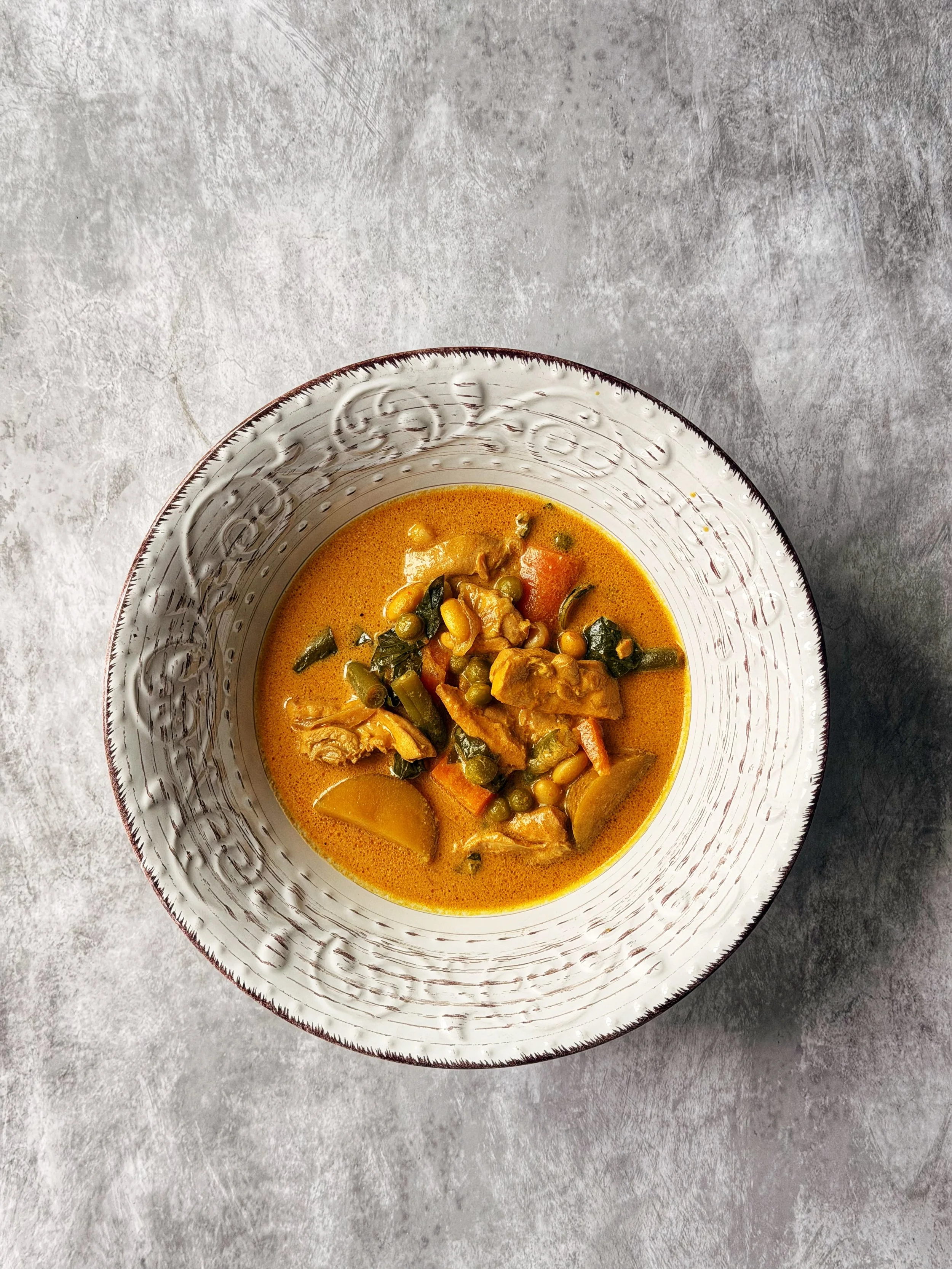
Thai Yellow Chicken Curry
Thai yellow curry, or Gaeng Kari, is a wonderful example of how different culinary traditions have influenced Thai cooking. While green and red curries are known for their fresh, fiery aromatics, yellow curry takes a slightly different approach, incorporating spices more commonly associated with Indian cooking, such as cumin, coriander, cardamom and fenugreek. The result is a fragrant, gently spiced curry with a rich golden colour and a beautifully rounded flavour.
The heart of the dish is its curry paste, made from dried and fresh chillies, lemongrass, galangal, fresh turmeric, shallots, garlic and fermented shrimp paste. These ingredients are ground together and fried until aromatic before being combined with coconut milk, stock, fish sauce, palm sugar and tamarind. The combination creates a wonderful balance of sweetness, saltiness, acidity and gentle heat, with the coconut milk bringing everything together.
For this version, I've used boneless chicken thighs along with a mixture of potatoes, carrots, green beans and bamboo shoots. The vegetables are added in stages so that everything cooks properly without losing its texture. I also reserve some of the coconut milk until the very end, which gives the finished curry a fresher coconut aroma and a lovely creamy consistency.
Although making the curry paste from scratch takes a little effort, the actual cooking is surprisingly straightforward. It's also a versatile preparation that works beautifully with seafood, beef or tofu. Finished with Thai basil, fresh chillies and crispy fried shallots, it's a comforting, aromatic curry that needs little more than a bowl of steamed jasmine rice to make a complete meal.
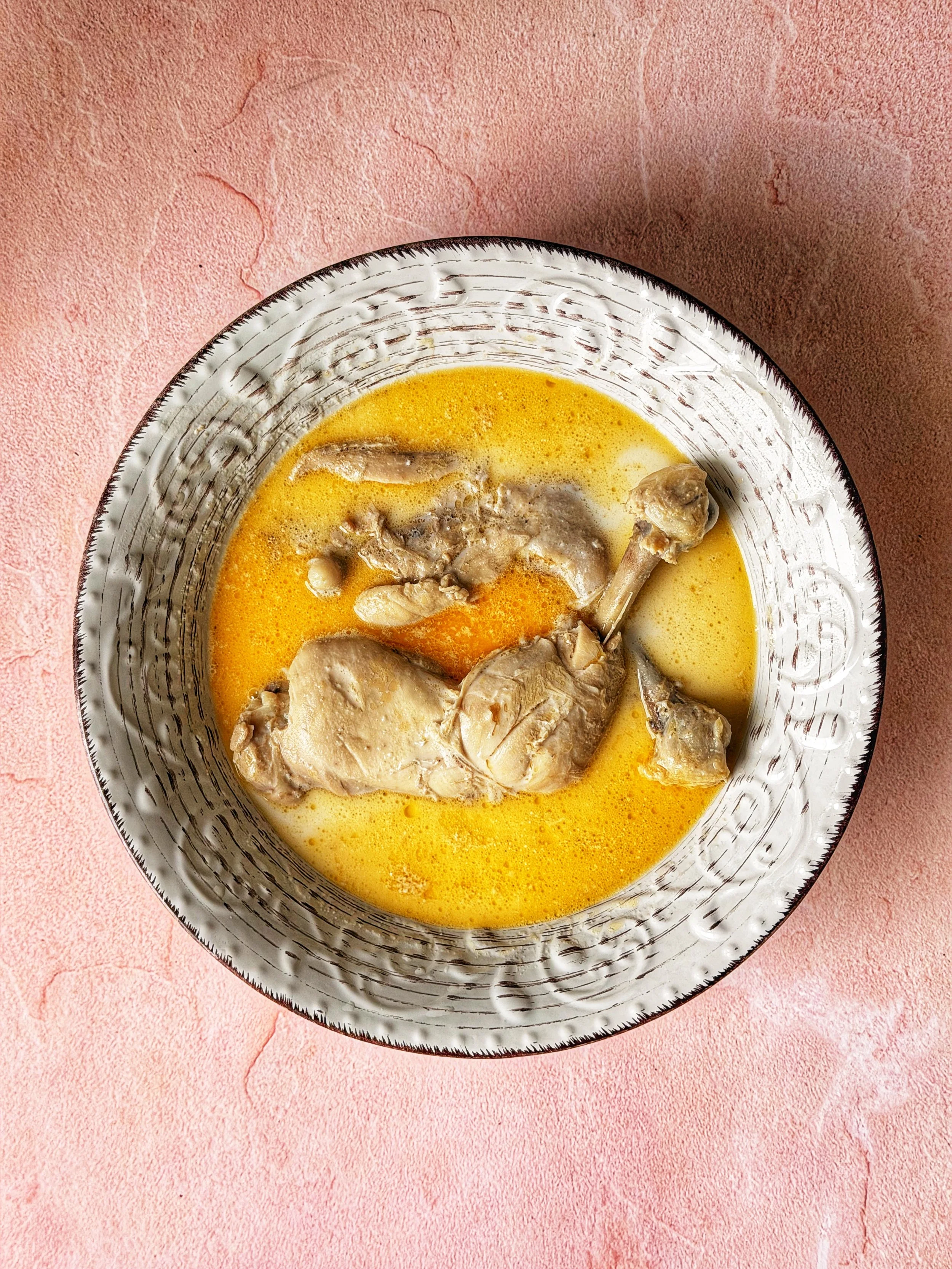
Şipsi
Turkish cuisine has a remarkable talent for turning a handful of familiar ingredients into something unexpectedly interesting, and Şipsi is a particularly good example. Hailing from Sakarya in the Marmara region, this thick, creamy chicken stew takes a rather unusual approach to comfort food.
The chicken is first gently simmered with onion, garlic and coriander, producing a flavourful stock that is then combined with milk and a butter-and-flour roux to create a rich, velvety sauce. But the real curiosity is the finishing touch. Walnuts, garlic, dried chilli and coriander seeds are roasted, pounded together and squeezed through muslin to extract a small quantity of intensely aromatic oil.
It's a wonderfully understated dish, with no elaborate spice blends or aggressive heat. Just tender chicken, a comforting milk-based gravy and a rather clever little trick involving walnuts.
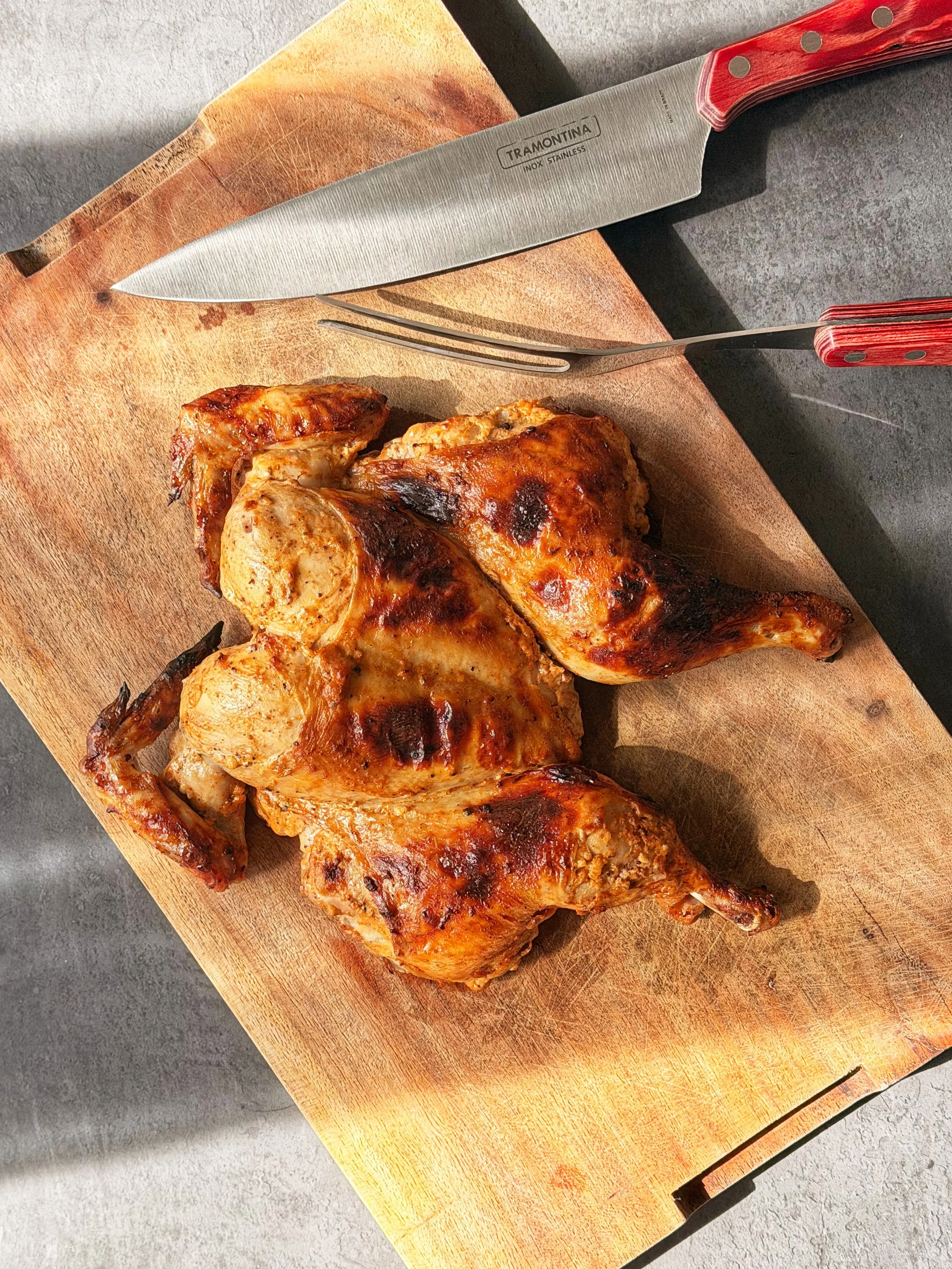
Shish Tawook Spatchcock Chicken
Shish tawook is a Lebanese grilling favourite where garlic, lemon and yogurt do most of the heavy lifting. Traditionally, it involves chunks of chicken marinated in yogurt, garlic, lemon and spices, then threaded onto skewers and grilled over charcoal.
I've taken a few liberties with the format here, replacing the skewers with a whole spatchcocked chicken. Flattening the bird helps it cook more evenly, while an overnight bath in yogurt, garlic, lemon, paprika and a little tomato paste gives it a wonderfully tangy, aromatic character. The yogurt also encourages a beautifully browned crust while helping the meat retain its moisture.
It's not quite traditional shish tawook, but the flavour profile is unmistakable. Serve it with warm pita, pickles and a generous helping of toum, that gloriously aggressive Lebanese garlic sauce. Because apparently six cloves of garlic in the marinade weren't quite enough.
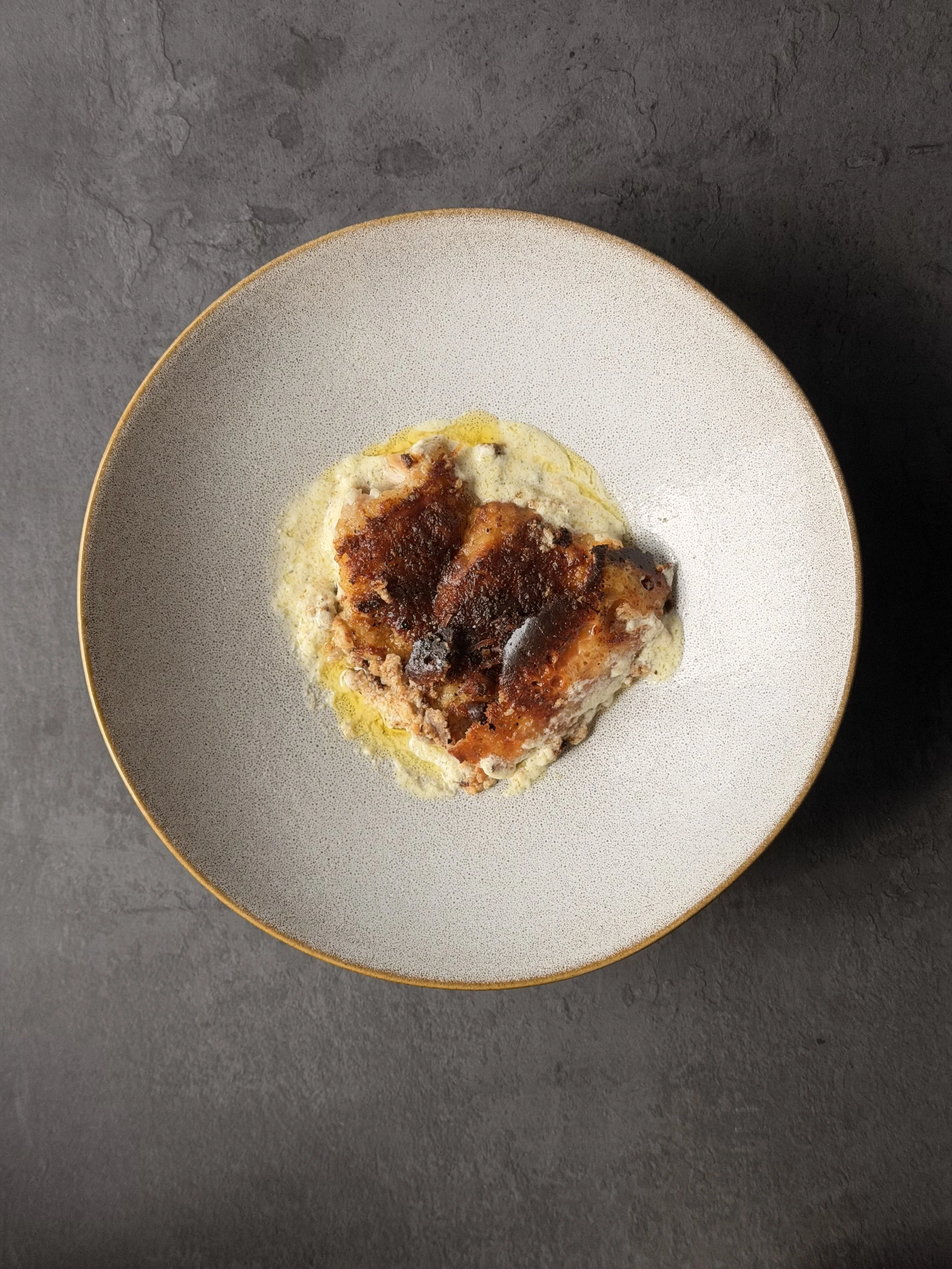
Swiss Chicken Bake
Despite the name, this is considerably more American casserole than Swiss culinary tradition. The Swiss contribution is Emmental, that wonderfully nutty, melty cheese. Everything else appears to have been assembled by someone who looked at a perfectly respectable piece of chicken and decided it needed considerably more dairy.
Boneless chicken thighs get a blanket of Emmental, followed by a rather extravagant mixture of mayonnaise, sour cream, Parmesan and garlic. A scattering of panko goes on top, and the oven takes care of the rest.
The result is juicy chicken beneath a bubbling, golden crust, with enough melted cheese and creamy sauce to make the concept of restraint seem rather unnecessary.
Essentially, a cheese casserole with chicken somewhere underneath.
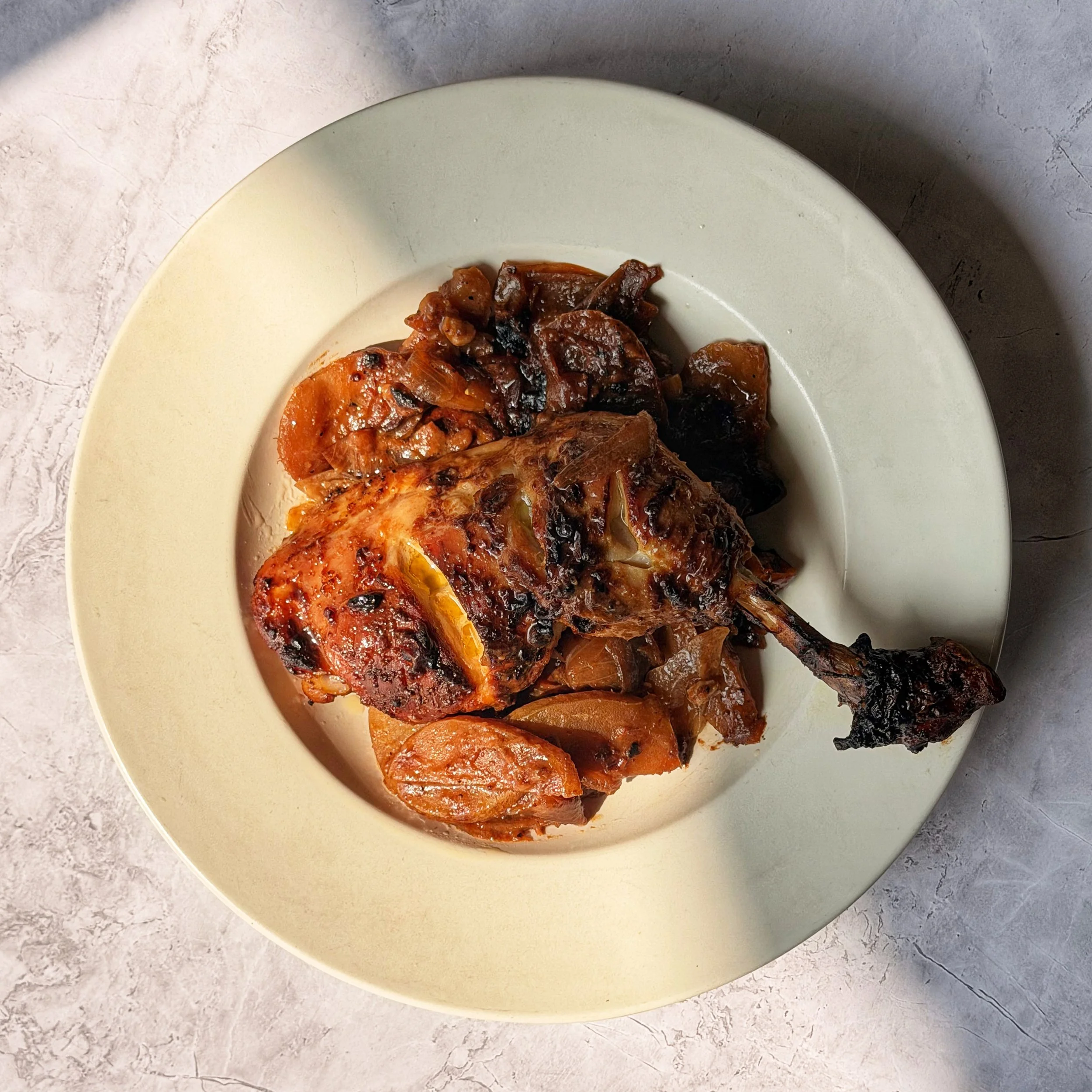
Miso-Maple Roast Chicken with Potatoes & Onions
Mayonnaise, miso and maple syrup sound like three ingredients that met by accident in the refrigerator. Turns out, they make a rather formidable roasting marinade.
There's some useful kitchen chemistry at work here. Mayonnaise provides an emulsion of fat and water that helps the seasoning coat everything evenly. White miso brings fermented savouriness and a generous dose of umami, while maple syrup contributes sweetness and helps develop that sticky, deeply caramelised crust.
The chicken sits on a bed of potatoes and onions, which spend the next hour absorbing rendered chicken fat, roasting juices and whatever miso-maple goodness makes its way down.
It's the sort of recipe that requires fifteen minutes of actual effort, one roasting tray and very little washing up.
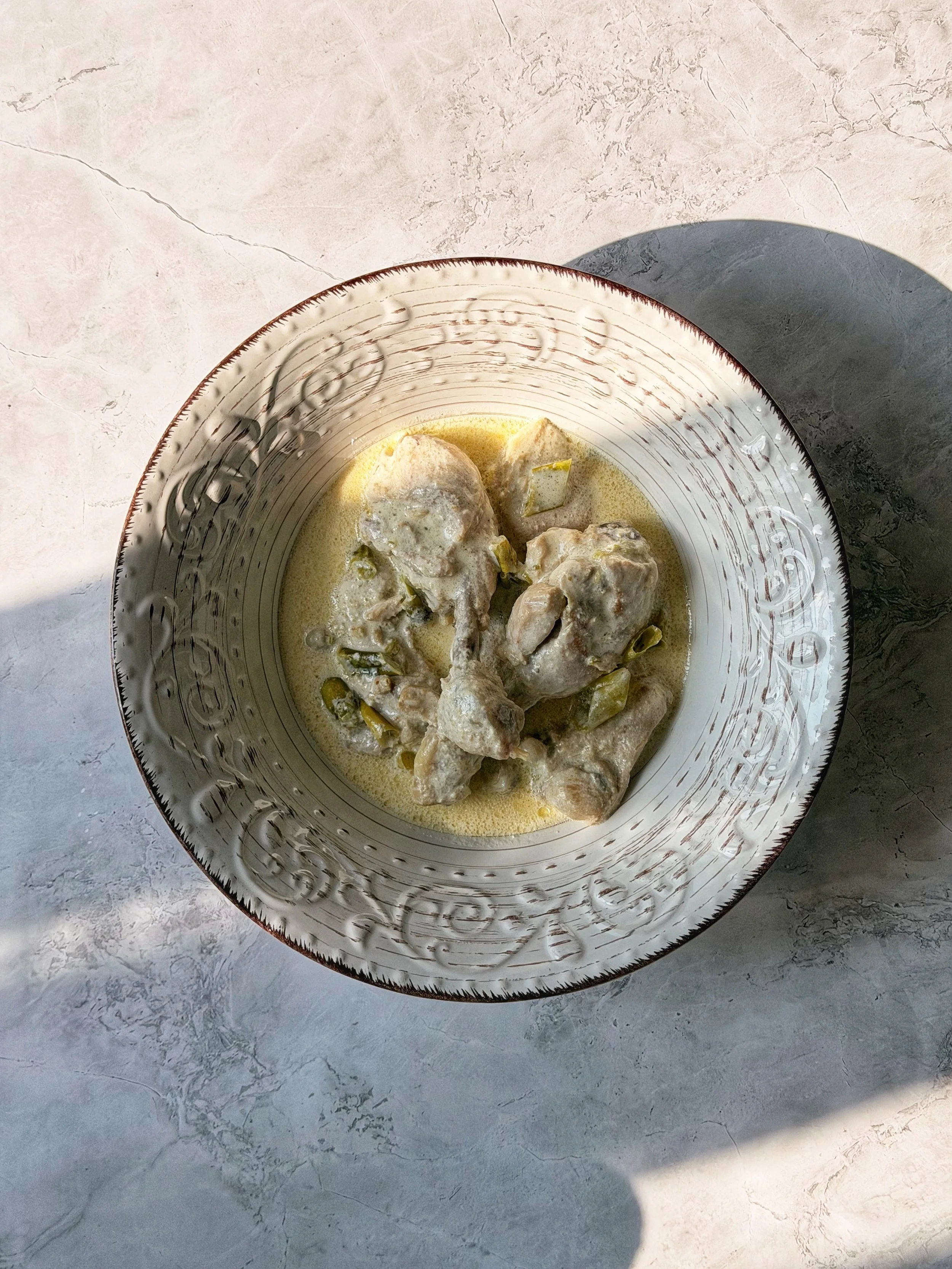
Chicken Haleeb
A Pakistani chicken curry built around the unlikely efficiency of green chillies, milk and cream. No onion, no ginger-garlic paste, no powdered spices. The chicken is first fried with blistered green chillies, then gently simmered in milk and finished with cream, creating a sauce almost entirely from dairy, chicken juices, fat and chilli.
It’s a particularly good example of technique doing the work normally assigned to a long ingredient list. The chillies perfume the oil, the chicken is allowed to brown before any liquid goes in, and the milk is kept at a careful simmer until it reduces around the meat. What looks almost suspiciously simple on paper turns into something rich, savoury and distinctly chicken-forward.
It’s also one of those recipes worth keeping around for days when the desire to eat properly is considerably greater than the desire to prep anything.

Gongura Naatu Kodi Kura
Gongura and chicken are already very good friends in Andhra cooking. Take that friendship towards Rayalaseema, though, and things get considerably more heated.
This version leans into the region’s reputation for bold, chilli-forward meat preparations: plenty of green chilli, garlic and spice, with the gongura bringing a sharp, almost mouth-puckering sourness through all that heat. Country chicken works particularly well because its firmer texture and deeper flavour can handle the longer cooking without disappearing under the masala.
The important part is not to treat the gongura as just another leafy green. It is the personality of the curry. The chicken is cooked almost completely before the gongura goes in, then everything is reduced together until the masala becomes dark, thick and almost jammy. A little poppy seed and cashew paste gives it body without sanding down those sharper edges.
The result isn't subtle, and it has absolutely no ambition to become subtle. Rayalaseema has entered the chat.

Yen Kangsoi
There are recipes where flavour begins with oil and a crowded spice box. Yen Kangsoi manages perfectly well without either.
Kangsoi is a brothy, everyday preparation from Manipur’s Meitei kitchens, built around vegetables simmered in water with ginger, chilli and ngari, the deeply funky fermented fish that does an extraordinary amount of heavy lifting. Add yen, or chicken, and the broth becomes richer while still remaining remarkably light.
This version uses country chicken, mustard greens, potato and fresh ginger flowers, which are treated almost like a vegetable rather than simply an aromatic. A whole bhut jolokia quietly infuses the pot and can be broken open at the end if you feel the afternoon has been going suspiciously well.
No oil. No powdered masala. Just chicken, greens, fermentation and one chilli with an extremely well-documented attitude problem.

Caril de Frango
This is what happens when a curry takes the scenic route. With roots leading back to Goa, caril travelled through Portuguese-ruled Mozambique before eventually finding a comfortable home in Lisbon, picking up a Portuguese refogado and losing quite a few spices along the way.
Unlike the more complex curries of Goa, this version is deliberately mild. Onion, garlic, tomato and bay leaf are slowly cooked in plenty of oil before commercial curry powder, turmeric and coconut milk enter the picture. The result is creamy, deeply yellow, pleasantly oily and fragrant without overwhelming the chicken.
The curry powder isn't a shortcut here. It's actually part of the dish's identity, with Lisbon restaurants traditionally using Portuguese brands such as Margão.
Three continents, several generations of migration and colonial history, all eventually condensed into a surprisingly uncomplicated pot of chicken curry.

East Indian Chicken Khuddi
Long before spice blends came with barcodes and ingredient lists, Mumbai’s East Indian families had bottle masala. A fiercely personal blend of spices, traditionally made in large batches, stored in beer bottles and passed down through families, with every household convinced theirs is obviously the best one.
Khuddi is one of the great places to put it to work. A proper East Indian Sunday lunch curry of chicken, potatoes and roasted coconut, deeply spiced with bottle masala and sharpened here with coconut vinegar.
Rich, tangy, comforting and ideally accompanied by fugiya, pao or rice. And if someone offers you their family’s bottle masala recipe, write it down immediately. You may not be asked twice.

Shengdana Chicken
In the kitchens of Vidarbha and Marathwada, peanuts have a habit of sneaking into everyday cooking and making everything considerably more interesting. In Shengdana Chicken, they are roasted, coarsely ground and cooked with Kanda Lasun Masala until they turn into a thick, nutty gravy that clings shamelessly to the chicken. There is no coconut, cream or fancy thickener required. The peanuts have that department covered. Spicy, earthy and unapologetically rustic, this is the sort of curry that makes a bhakri less of an accompaniment and more of an essential piece of eating equipment.

Chicken Datshi
Chicken Datshi is a beautiful example of how little you actually need to make something deeply satisfying. Chicken, a mountain of chillies and soft, tangy churpi come together in a light broth that slowly turns creamy as the cheese melts into it. Traditionally the datshi is made from yak milk. I'm using cow's milk here, but the principle remains the same: heat, acidity and a little patience doing most of the work. It's simple food, but the combination of heat, funk and richness is anything but simple.

Lahori Murg Chanay
This is one of those dishes that makes perfect sense once you think about it. Chickpeas are cooked slowly in chicken stock until they become rich and savoury, then the shredded chicken goes back in at the end. Nothing complicated, just a very efficient exchange of flavours. The chickpeas get the chicken, the chicken gets the chickpeas, and everyone wins. Chemistry, but delicious.