
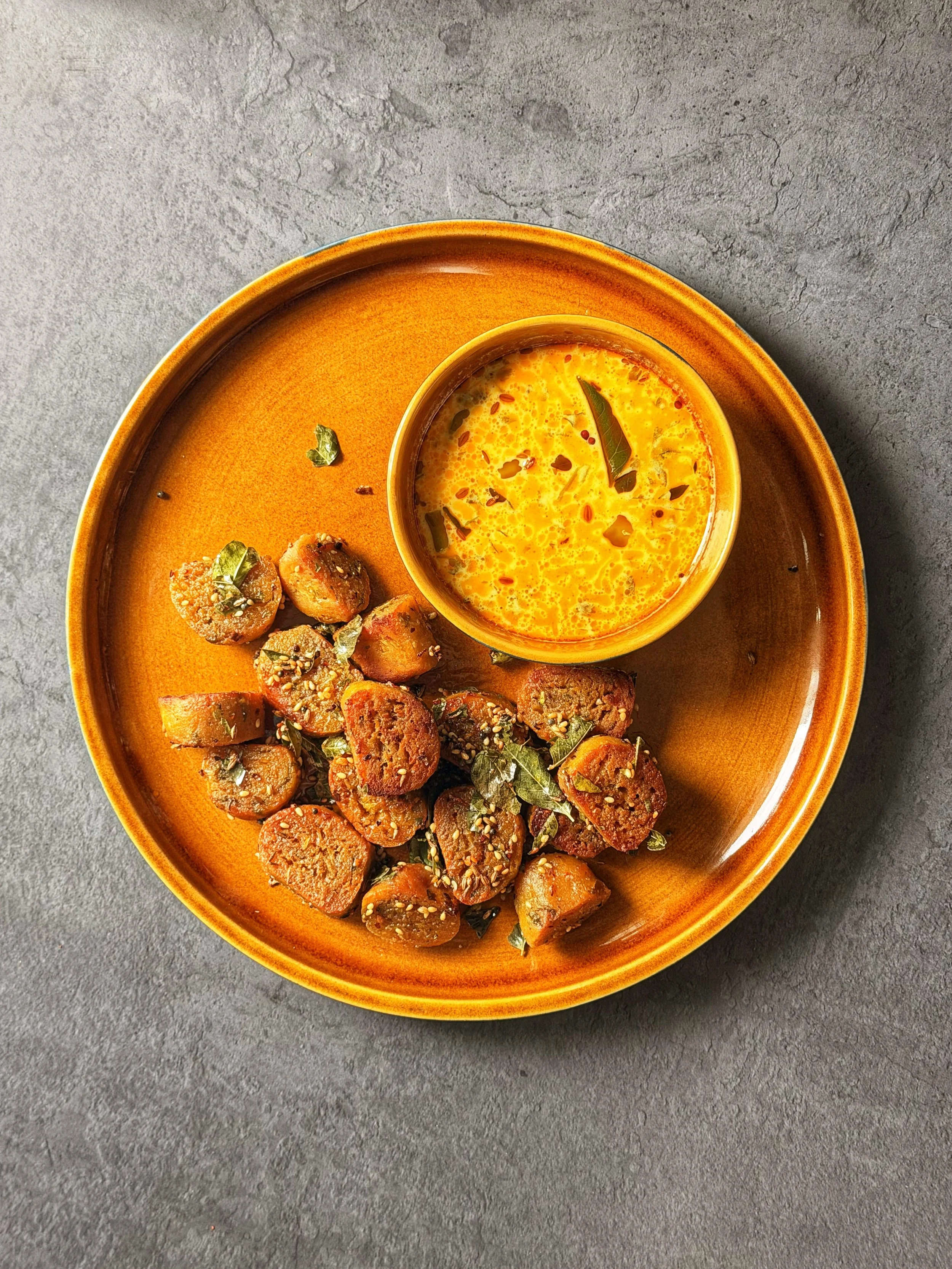
Kadhi Muthiya
Kadhi Muthiya feels a little like someone looked at a perfectly respectable bowl of kadhi and decided it needed considerably more architecture.
The muthiya start with cooked rice and grated lauki, bound with besan and wheat flour, seasoned, shaped into little logs and steamed. But apparently being cooked once isn't enough. They are cooled, sliced, then fried with sesame, green chillies and curry leaves until the edges turn golden and slightly crisp.
Alongside is a thin, tangy curd and besan kadhi, slowly cooked and finished with a hot ghee tadka. Put the two together and you get that particularly satisfying combination of soft centres, toasted edges and sharp, soothing kadhi.
Steamed, sliced, fried, drowned. A perfectly reasonable amount of effort for leftover rice and a bottle gourd.
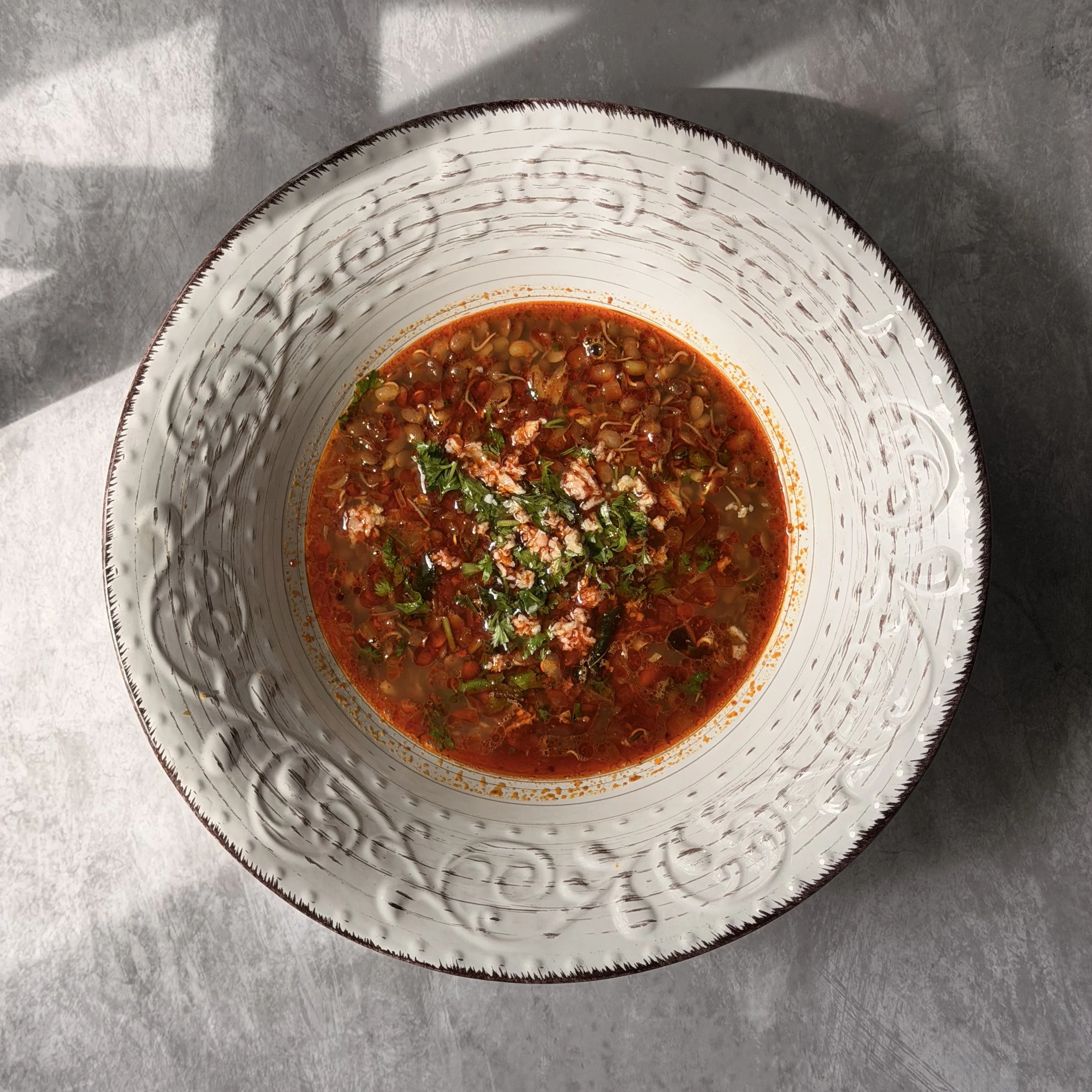
Kulith Amti
Horse gram has a flavour that refuses to disappear politely into a curry. It is earthy, slightly nutty and distinctly itself, so this amti is built around that character rather than trying to cover it up.
The kulith is soaked, sprouted and cooked first, with its cooking liquor saved for the gravy. Kanda lasun masala brings roasted chilli, garlic and coconut depth, while tamarind and jaggery sit quietly in the background doing the Maharashtrian sweet-sour balancing act. A handful of the horse gram gets mashed back into the pot for body, and goda masala and roasted cumin go in towards the end so their aroma survives the journey.
It is dark, hearty and particularly good with rice and a little ghee.
Turns out horse gram has quite a lot to say. Best not interrupt it.
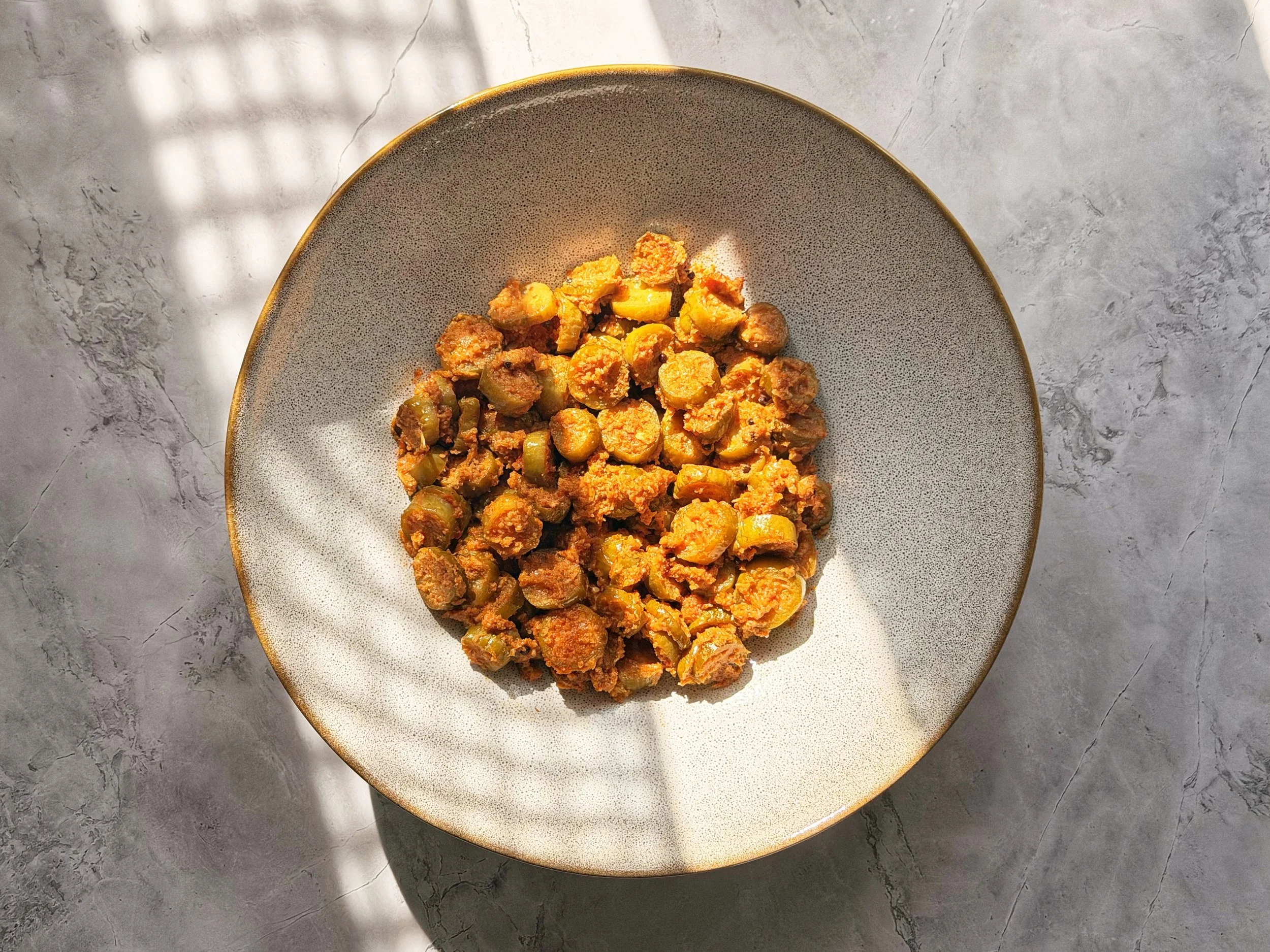
Kovai Bhutti
Ivy gourd is one of those vegetables that seems perfectly happy being unremarkable until a Saraswat kitchen introduces it to enough coconut and chilli.
In this Bhutti, sliced kovai is cooked until tender and then coated in a thick masala of lightly roasted coconut, coriander seeds, two kinds of dried chilli, urad dal, fenugreek, garlic and tamarind. A little jaggery rounds everything out, and the masala is cooked down until almost dry, clinging to every little round of kovai.
It is a lot of flavour engineering for 250 grams of ivy gourd: hot, sour, sweet, nutty and deeply coconutty, with the vegetable still retaining enough bite to hold its own.
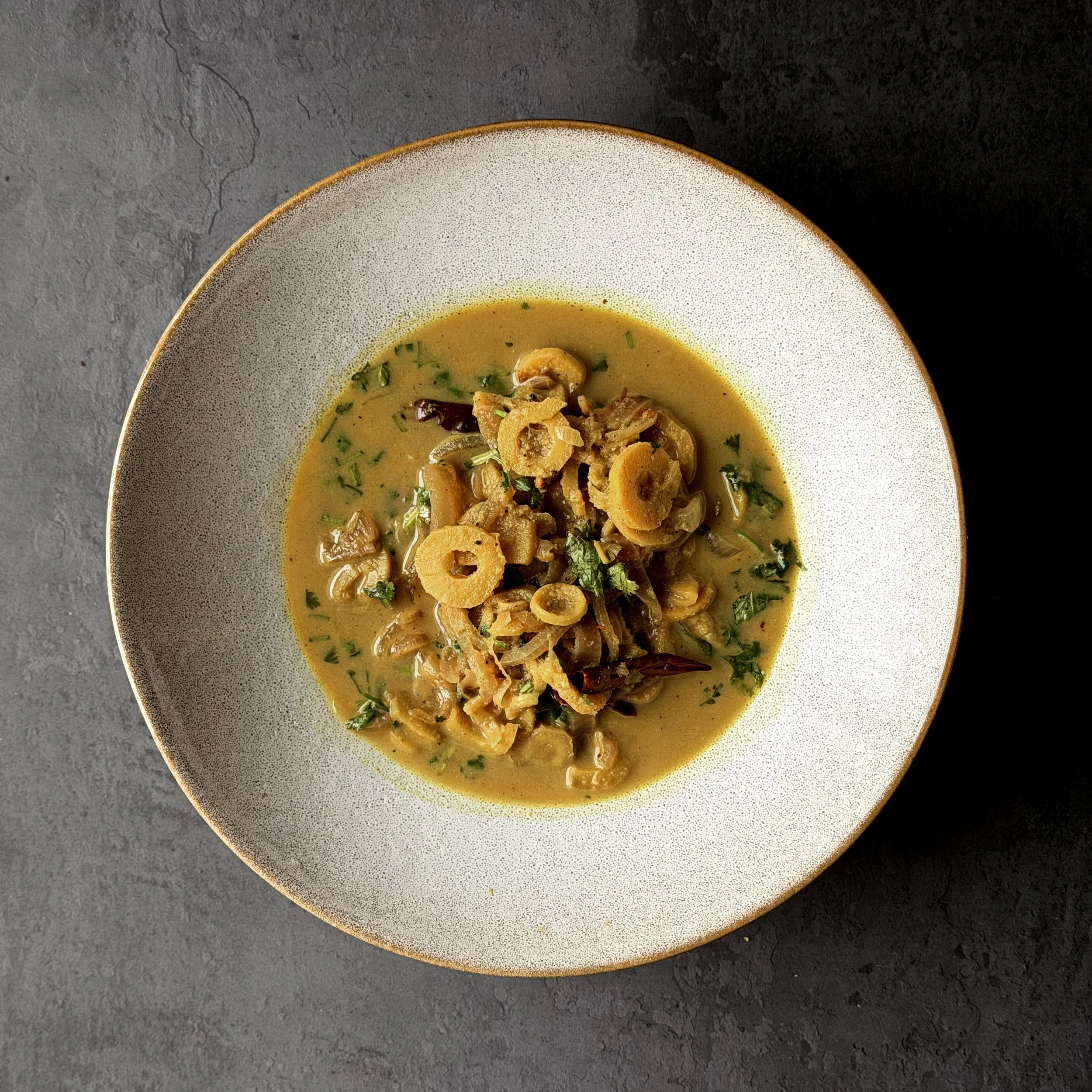
Baimbalé Curry
In Kodagu, the arrival of the monsoon also means bamboo shoots pushing their way out of the ground, and apparently the correct response to this is to dig them up and begin a cooking process that lasts several days.
Fresh baimbalé is peeled down to its tender core, sliced and soaked in water, traditionally developing a distinctive sour, lightly fermented character before it ever reaches the curry pot. By the time it does, the rest is almost suspiciously easy. Coconut, onions, curry leaves and spices roasted very dark form the gravy, with jaggery and Kodagu’s formidable kachampuli sorting out the sweet-sour end of things.
I bought 1.5 kg of bamboo shoot, peeled away two-thirds of it, soaked the remaining 500 grams for two days, boiled it for another half hour, and then finally made lunch.
Monsoon ingredients, it seems, come with their own administrative procedures.
Vaalache Birde
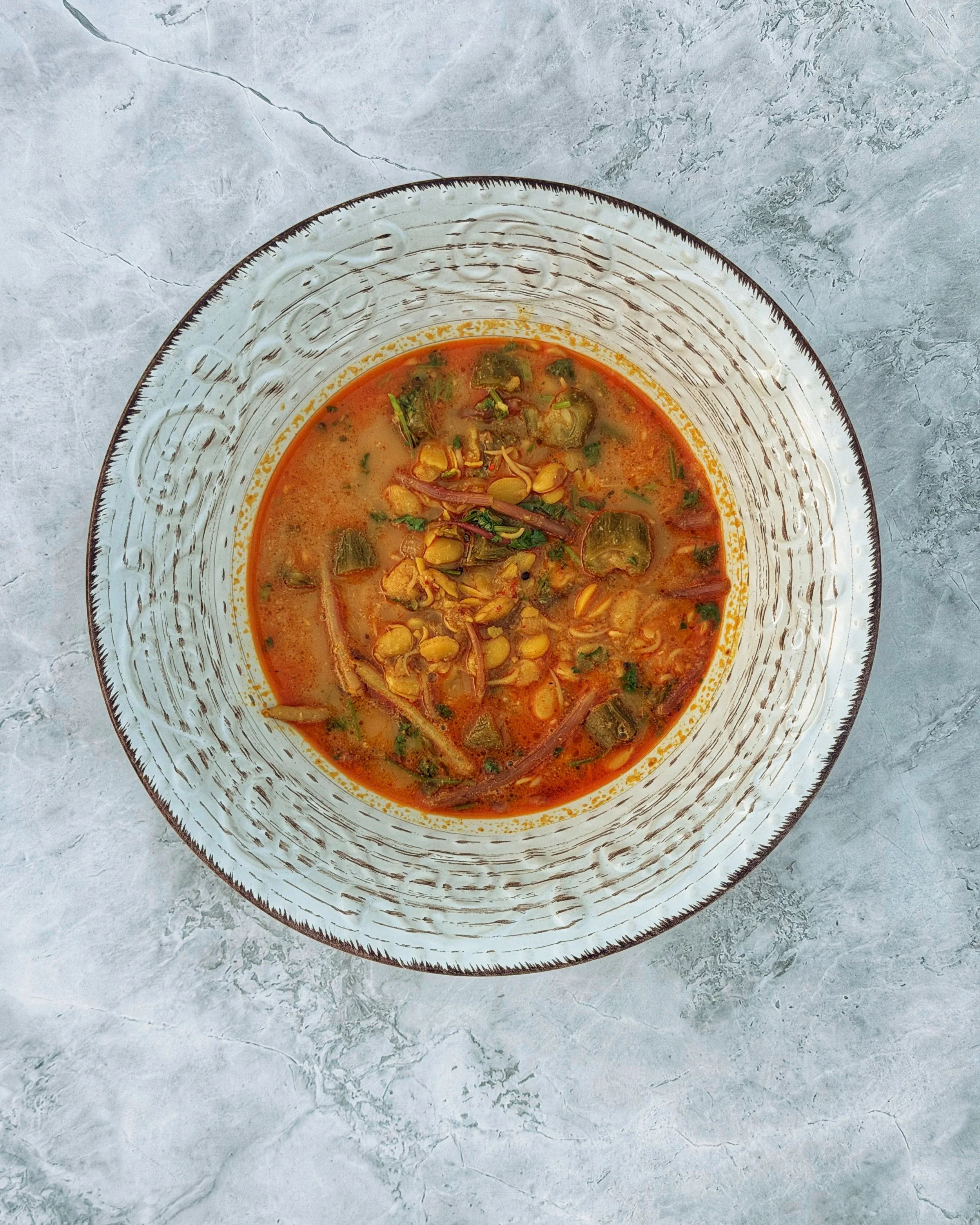
Kadve vaal are the sort of ingredient that make you wonder how hungry the first person who cooked them must have been. Start with a hard, slightly bitter bean, soak it overnight, convince it to sprout, soak it again, peel every single one by hand, then cook it past tender until it begins to fall apart. Somehow, all this trouble leads to something delicious.
This is the Birde my mother makes, although it isn't technically her family recipe. My grandmother was from Sindhudurg, but after moving to Bombay she became particularly fond of her CKP neighbours' cooking and happily adopted several of their recipes. Their sweet and tangy style of Birde was one of them.
The sprouted vaal are cooked with vegetables, coconut, tamarind and jaggery into a thin, sweet-sour gravy.
Apparently family recipes don't always travel down the family tree. Sometimes they just wander over from next door.
Palakachi Patal Bhaji
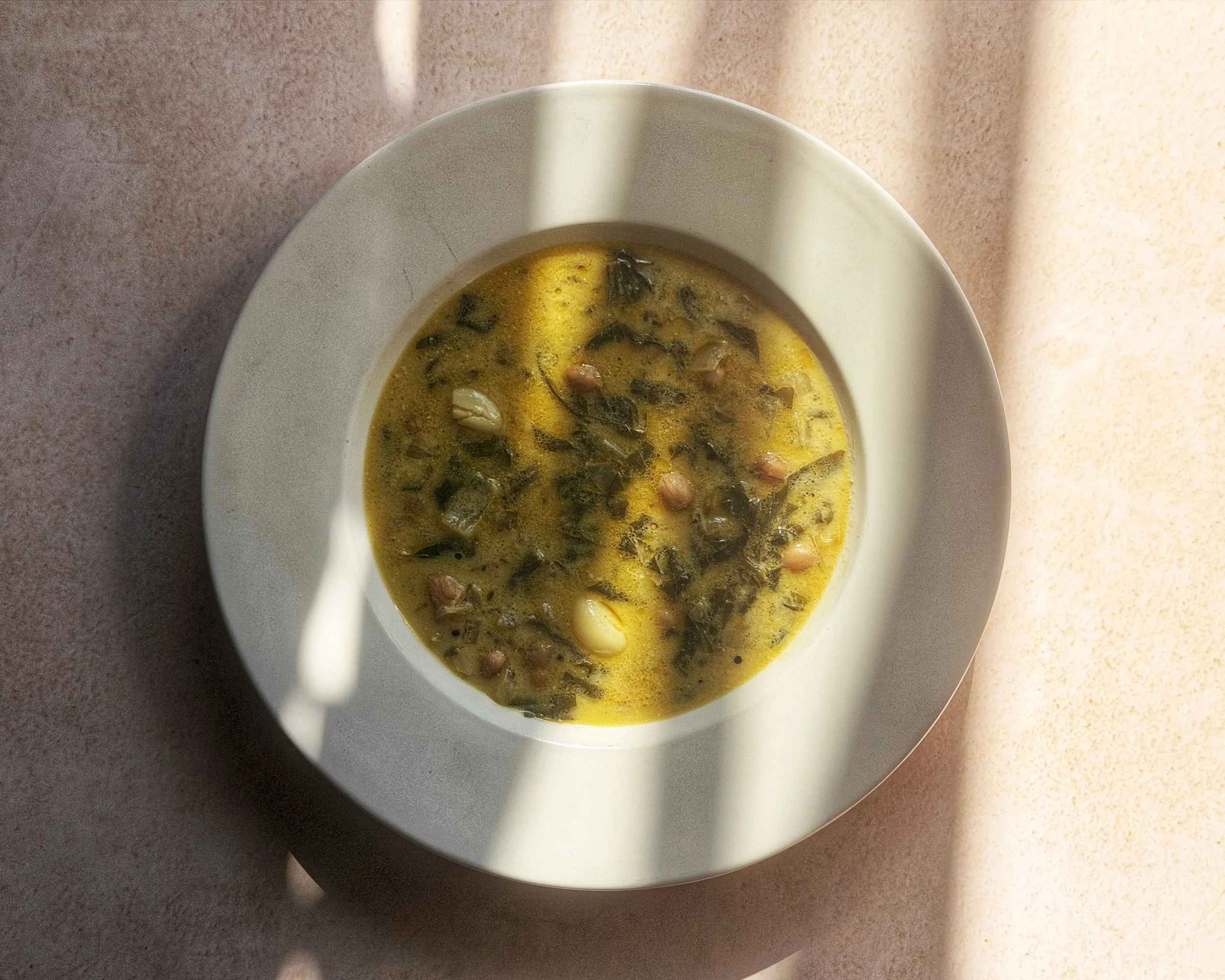
Palakachi Patal Bhaji is the sort of Maharashtrian spinach preparation that makes the word bhaji feel slightly misleading. Patal means thin, and this is meant to be loose and almost soupy, with spinach cooked alongside peanuts and chana dal in a tangy curd and besan base.
There’s a lot going on for something that looks so unassuming. Jaggery rounds out the sourness of the curd, peanuts and dal give you little interruptions of texture, and then a properly enthusiastic ghee tempering of garlic, chilli, ginger and curry leaves goes over the whole thing at the end.
It’s not the glamorous end of the spinach universe. It is, however, exactly the sort of thing that makes a bowl of hot rice disappear considerably faster than planned.
Hitikida Avarekalu Badanekayi Saaru
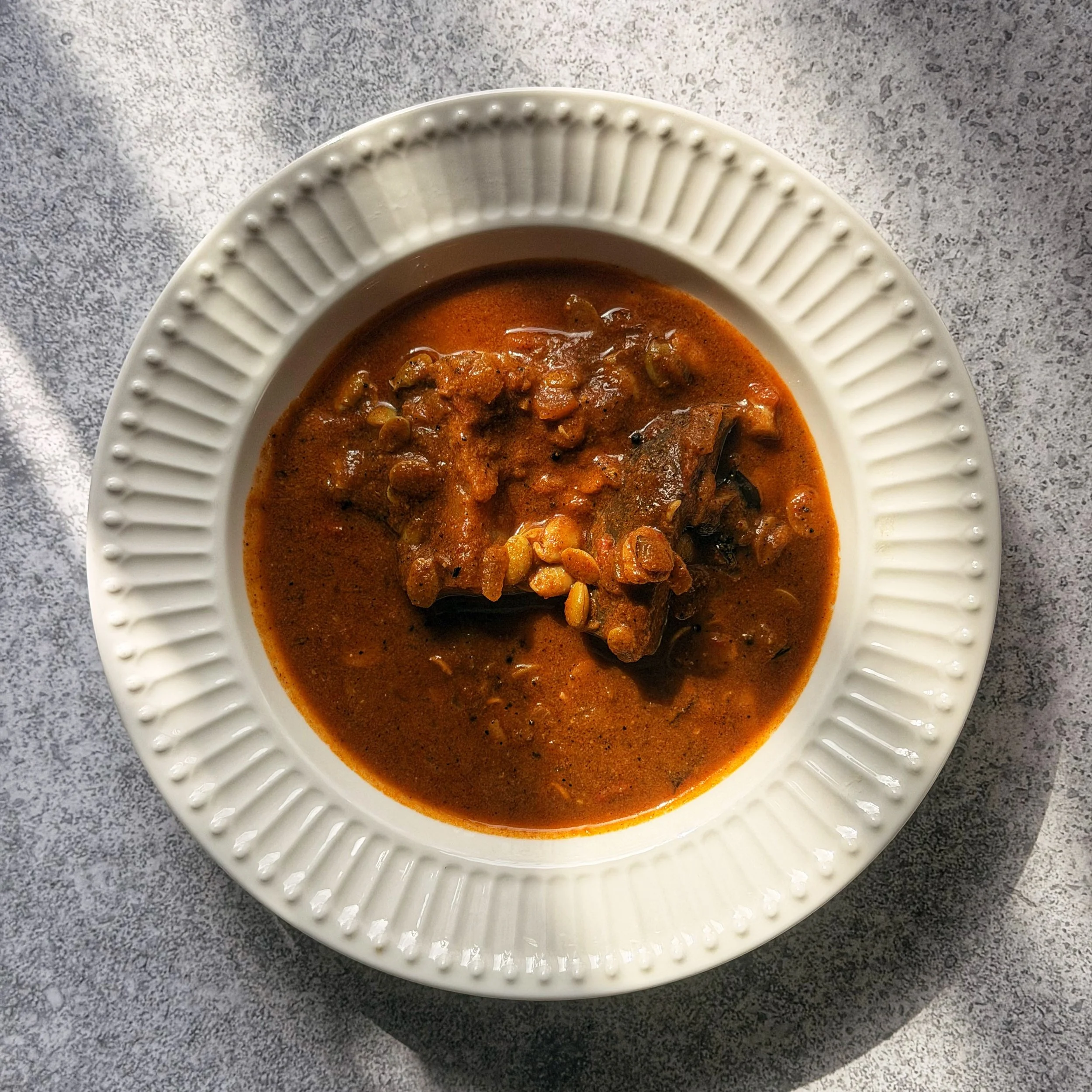
Avarekalu season in Karnataka apparently comes with homework. First shell the beans. Then soak them. Then sit there squeezing every single bean out of its skin because, naturally, somebody discovered they taste better that way.
These hitikida avarekalu are cooked with brinjal in a roasted coconut masala with Byadgi chillies and marathi moggu, then finished with tamarind and a little jaggery. The peeled beans turn wonderfully creamy, the broken ones melt into the gravy, and the brinjal soaks up everything it possibly can.
A slightly unreasonable amount of effort for a bowl of beans. Also completely worth it.
Shepu Paratha
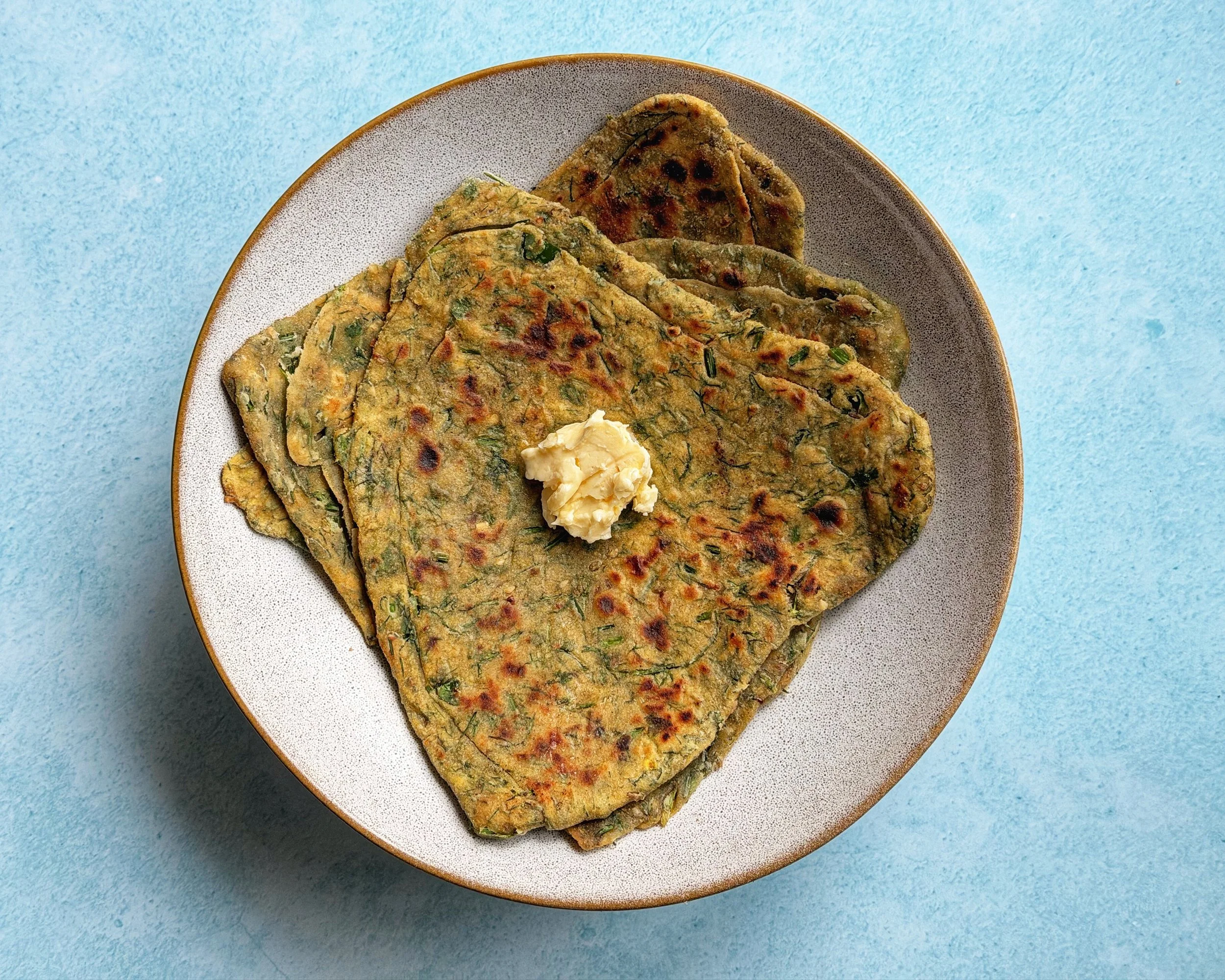
Shepu is one of those ingredients that refuses to quietly become “some greens” in the background. Dill is grassy, slightly bitter, intensely aromatic and very much the main character here. Kneaded straight into atta with coriander, green chillies, ginger, sesame and a few everyday spices, it turns a simple paratha into something considerably more interesting. Layer it with ghee, get those edges properly crisp, and serve it hot with curd and pickle. Technically breakfast. Also a perfectly reasonable excuse to eat butter before noon.
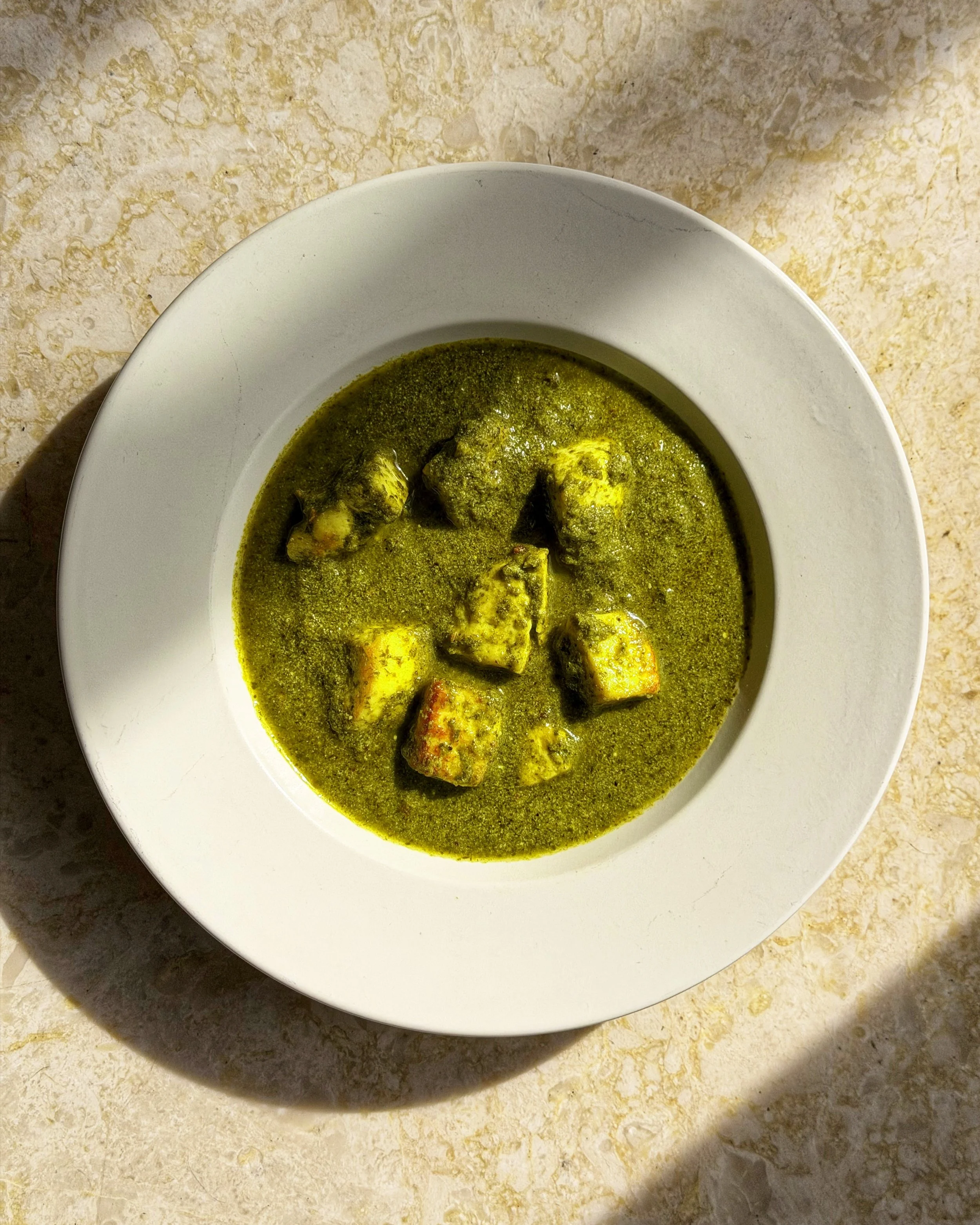
Methi Chaman
Methi Chaman looks enough like palak paneer to lull you into a false sense of familiarity. Then the methi turns up. Here, fenugreek is very much in charge, with just enough palak around to keep its bitterness from becoming a hostile takeover. There is no onion, garlic, tomato or cream to hide behind either. Instead, fennel, dried ginger, hing and mustard oil do the heavy lifting, while fried paneer gets a hot-water spa treatment before joining the gravy. Slightly bitter, gently tangy and wonderfully aromatic, this is what happens when green paneer decides to develop a personality.
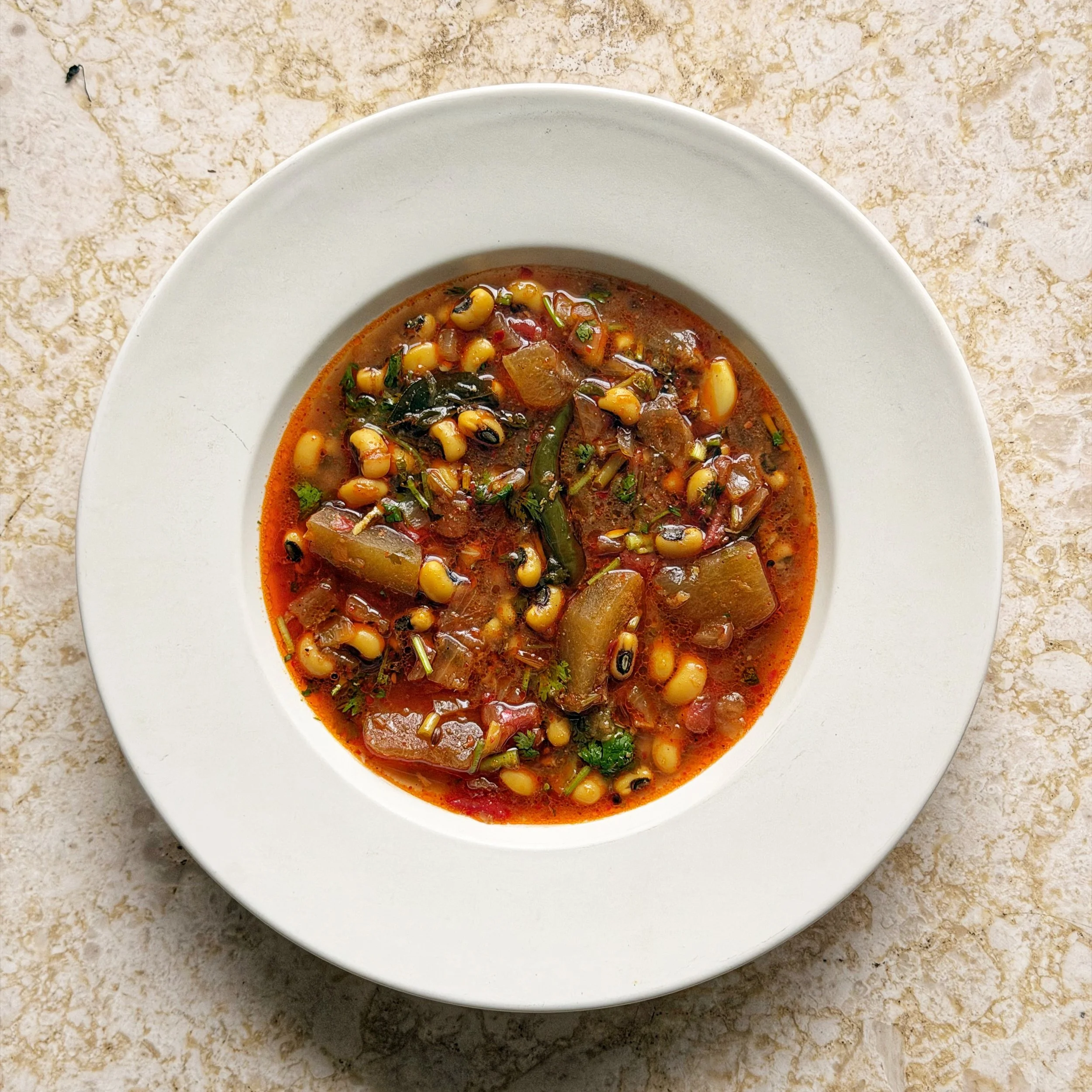
Chawli Usal
Chawli usal is one of those delightfully practical Maharashtrian dishes where a humble bag of beans somehow transforms into a full-on comfort feast. The chawli gets cooked till soft and tender, then it happily simmers away with onions, garlic, Kanda Lasun Masala, and a cheeky little bit of jaggery until the gravy turns thick, spicy, and deeply addictive. The bottle gourd isn’t just along for the ride either, it soaks up all that masala goodness like a sponge and makes the usal extra hearty and satisfying. Scoop it up with bhakri, rice, or pav, or go all out and use it as the base for a very proudly homemade misal.
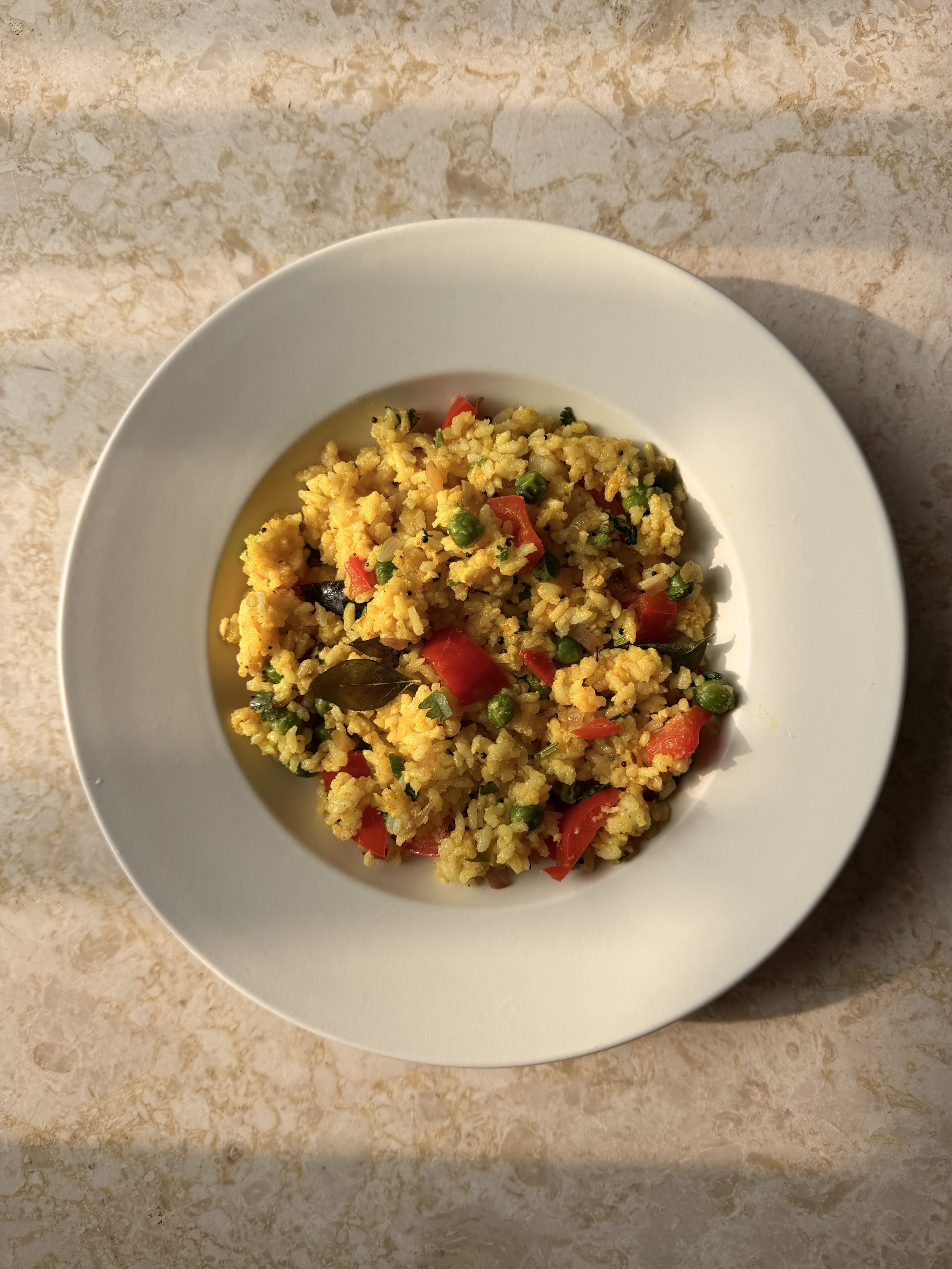
Phodnicha Bhat
There are few things more satisfying than turning yesterday's rice into today's breakfast. Phodnicha Bhat is the Maharashtrian answer to fried rice. Tossed in a hot tempering of mustard, cumin and curry leaves, with chillies, turmeric and whatever vegetables happen to be hanging around. The magic is in the phodni, or tempering, where a handful of seeds and spices hit hot oil and suddenly make leftovers taste like a plan. Simple, frugal and ridiculously comforting.
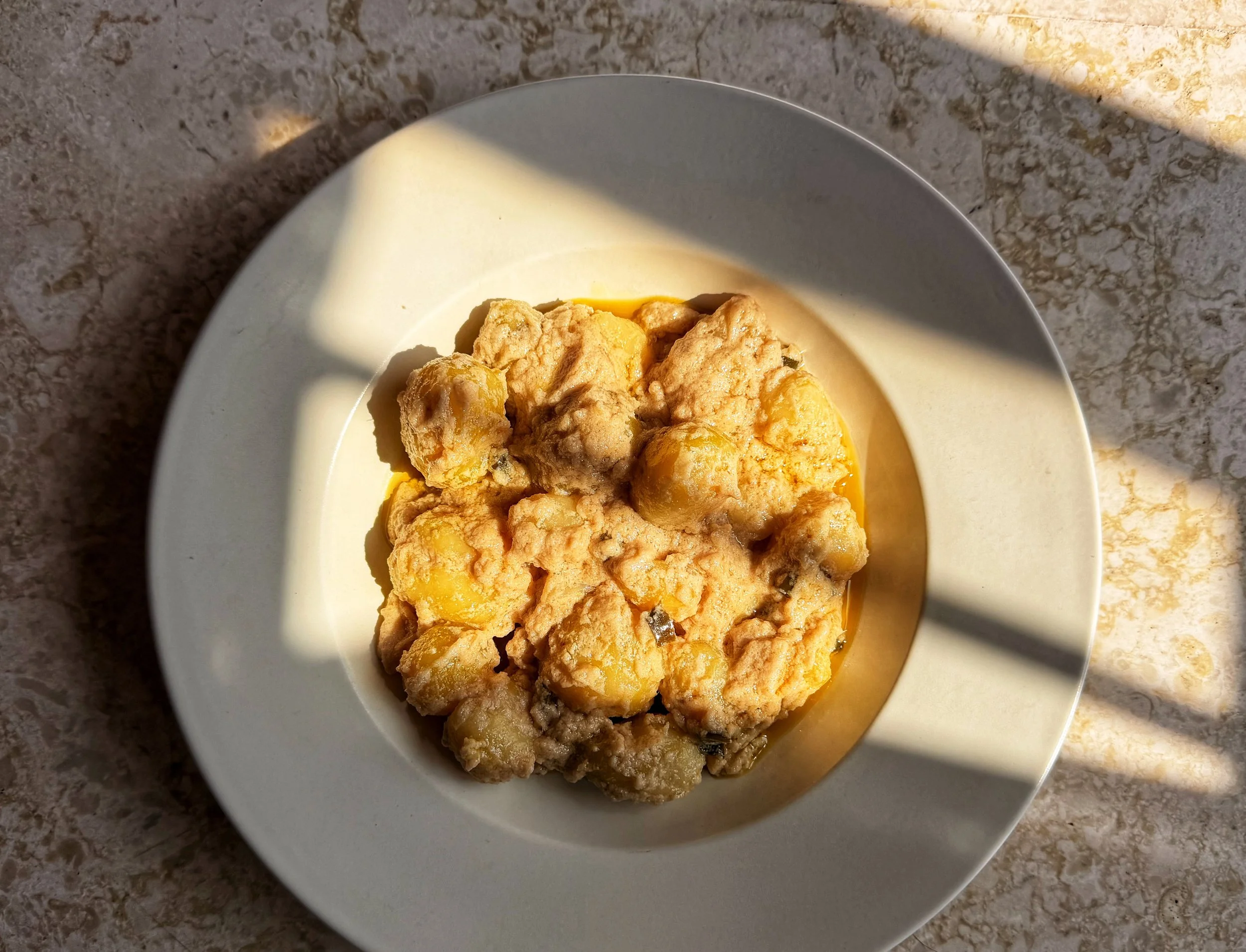
Alur Tok Ghonto
This is a wonderfully unfussy Bengali potato dish that gets a surprising amount of personality from a handful of ingredients. Baby potatoes are marinated in tangy curd, vinegar, onion and ginger, then cooked in mustard oil until the marinade clings to them and turns lightly caramelised. The result is a little sweet, a little sour, gently hot and gloriously mustardy. Basically, proof that potatoes don't always need a complicated gravy to have a good time.
Ombhl
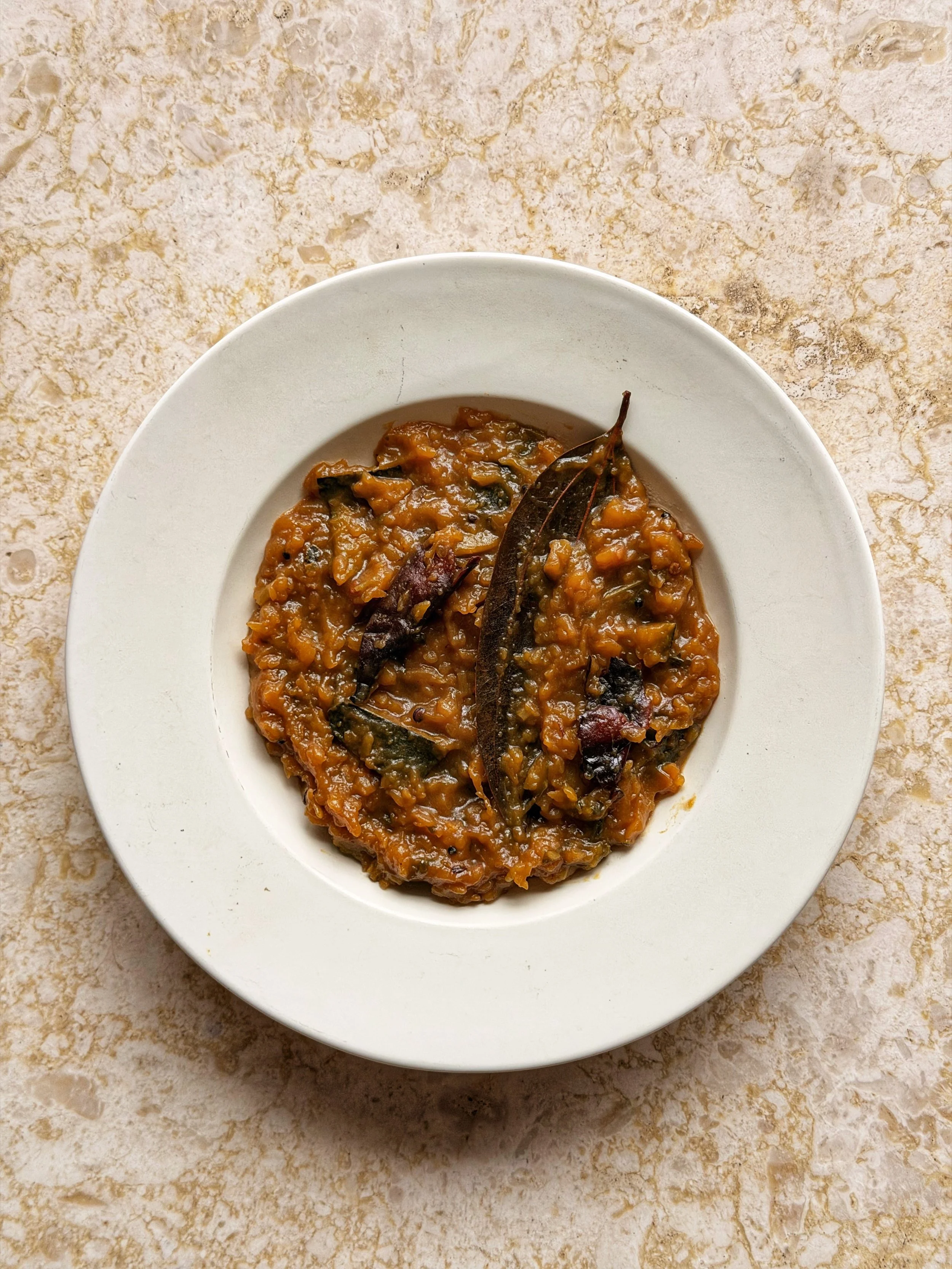
Ombhl is a lovely little lesson in balancing flavours. Soft, almost jammy pumpkin gets cooked with tamarind until it turns deeply sour, then jaggery comes in to round out the edges, while mustard seeds, dried chilli and bay leaf bring a little savoury warmth. It's sweet, sour, spicy and earthy all at once, and somehow manages to make pumpkin considerably more exciting than pumpkin has any right to be.
Amritsari Paneer Bhurji
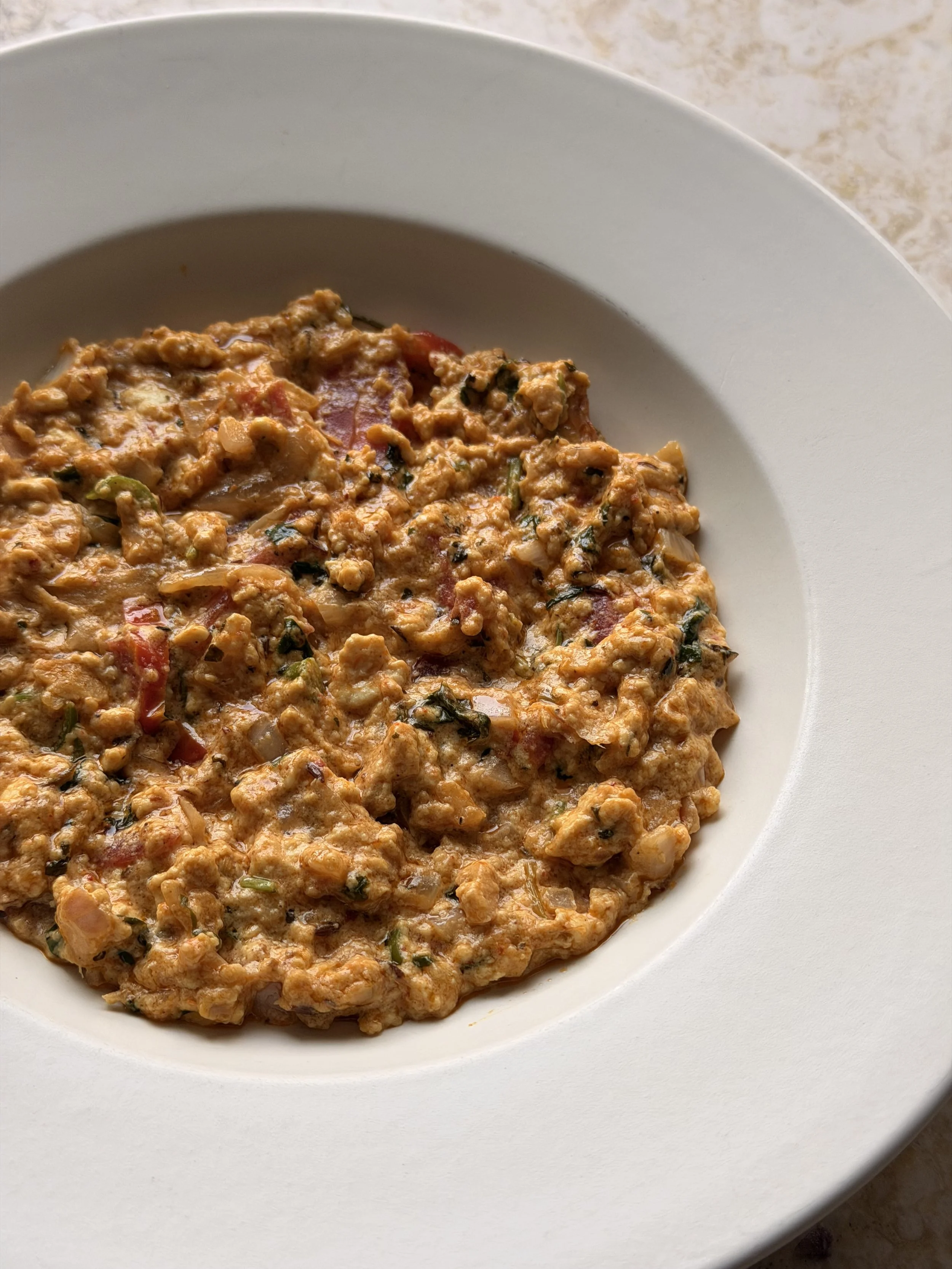
Paneer bhurji is essentially paneer deciding it doesn't need to hold its shape anymore. In this Amritsari-style version, soft crumbled paneer gets folded into a buttery masala of onions, tomatoes and spices, then finished with cream and kasuri methi. The trick is to cook the masala properly but barely cook the paneer, keeping it soft, moist and a little fluffy. It's simple, indulgent and dangerously good with a hot kulcha.

Buttermilk Blueberry Pancakes
Pancakes are basically a small exercise in controlled chemistry. Buttermilk brings acidity, baking soda gives it something to react with, and a gentle hand keeps the gluten from getting too enthusiastic. The result is a stack of soft, fluffy pancakes with little bursts of blueberry and a hint of lemon. Simple ingredients, very good science.
Dhingri Ka Salan
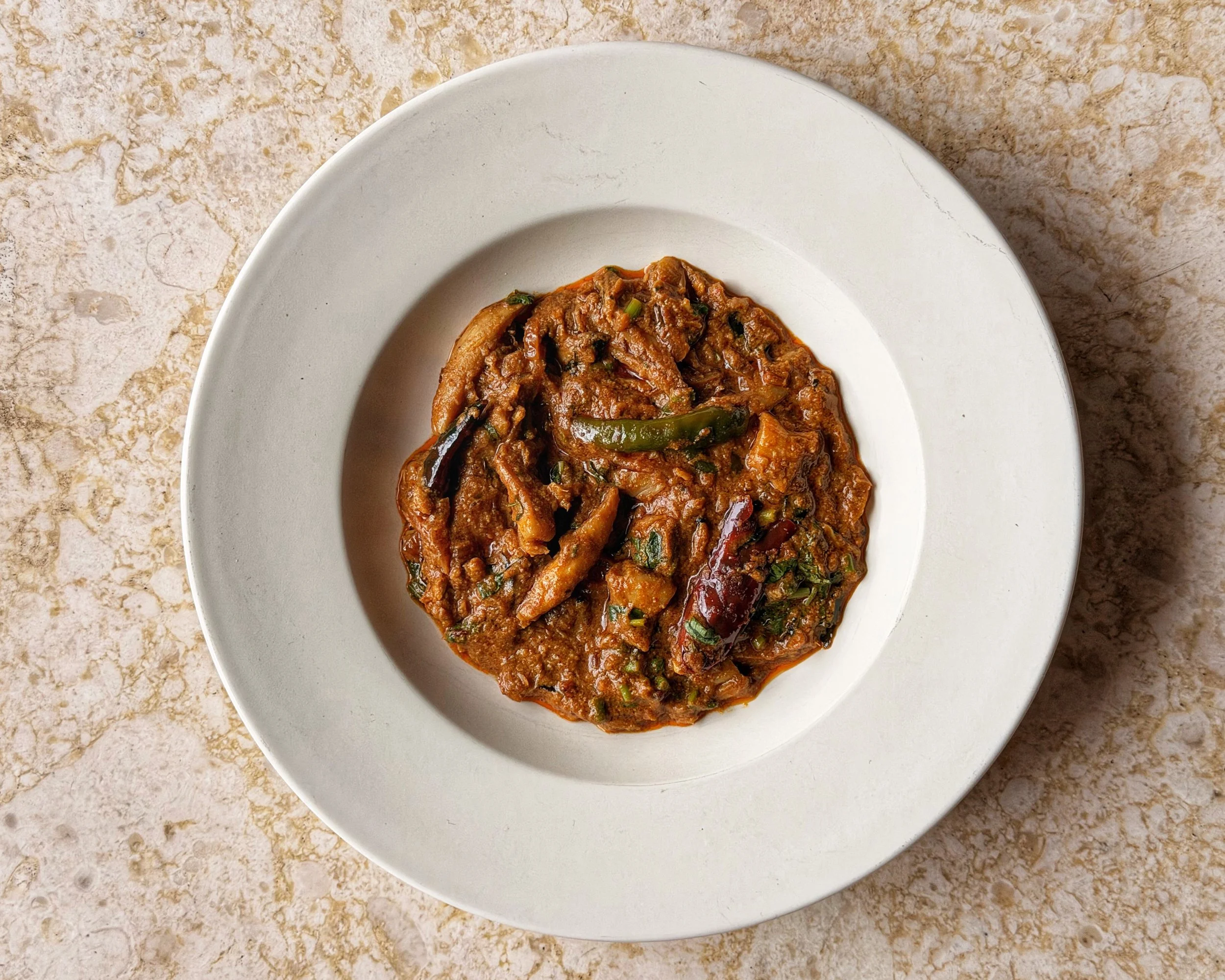
Salan is one of those dishes where the gravy does most of the talking. Here, roasted peanuts, sesame and coconut give it body and a slightly nutty richness, while tamarind cuts through all of that with a good hit of acidity. Mushrooms are a bit of an oddball guest at this party, but oyster mushrooms work surprisingly well. They soak up the gravy while keeping enough texture to remind you that you're eating mushrooms, not just a very enthusiastic sauce.