
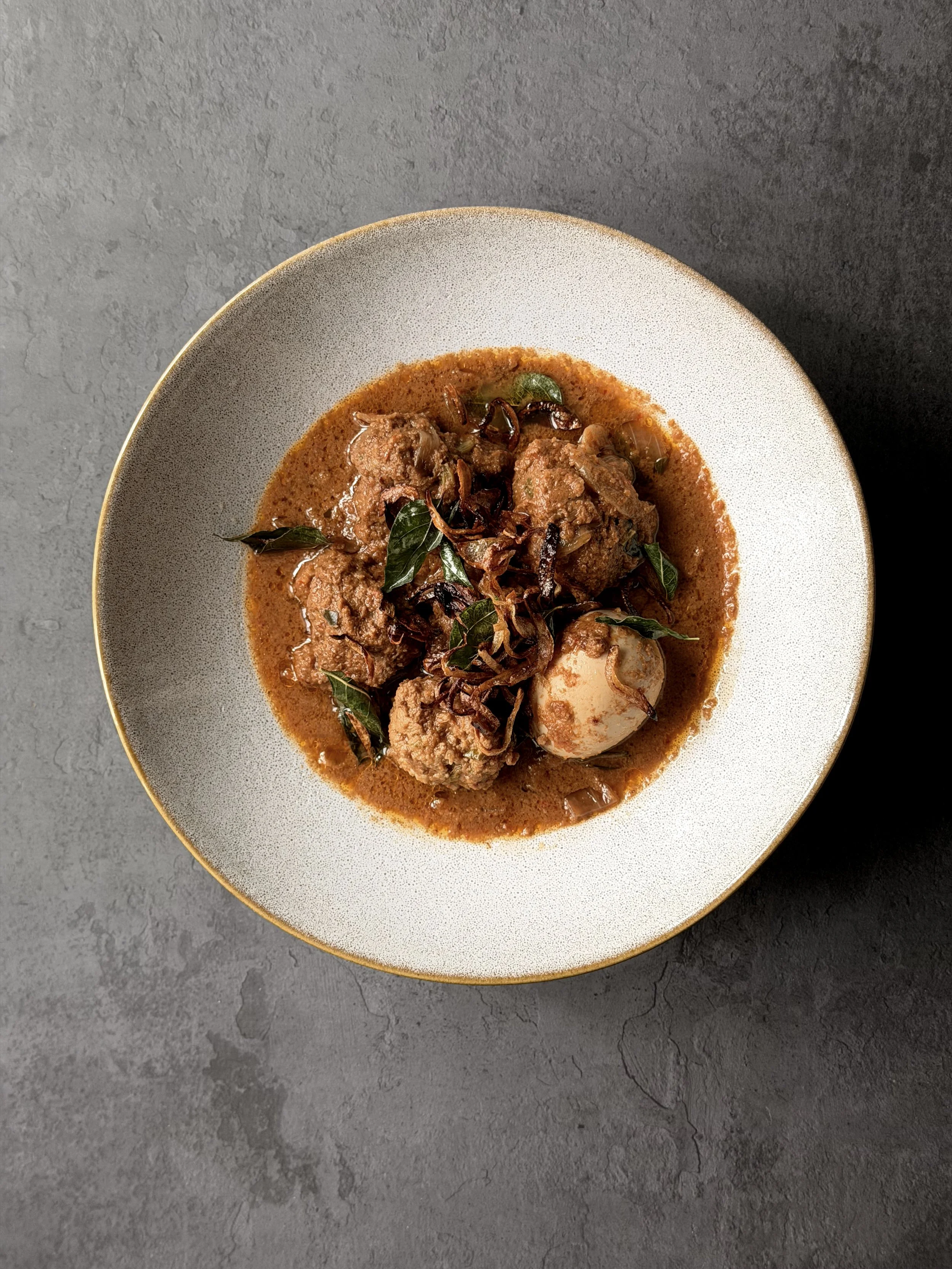
Kutt Kofte
Kutt Kofte begins with half a kilo of horse gram and the slightly absurd instruction that, after soaking it for 12 hours, sprouting it for another day and cooking it until tender, you don't actually need the horse gram.
What you want is the dark cooking liquor left behind. That is reduced into kutt, then built into a tangy gravy with coconut, tomato, tamarind, garlic and chilli. Mutton koftas are simmered directly in it, boiled eggs join the party, and a final tadka of onions and curry leaves fried in ghee goes over everything.
It is a deeply warming Dakhni Muslim preparation associated with Bengaluru, particularly with Ramzan and the cooler months. Rich meatballs, eggs and coconut sit against the earthy horse gram and sharp tamarind, producing something much more complex than its rather humble starting point suggests.
Two days of work to extract the bit most recipes tell you to drain away.
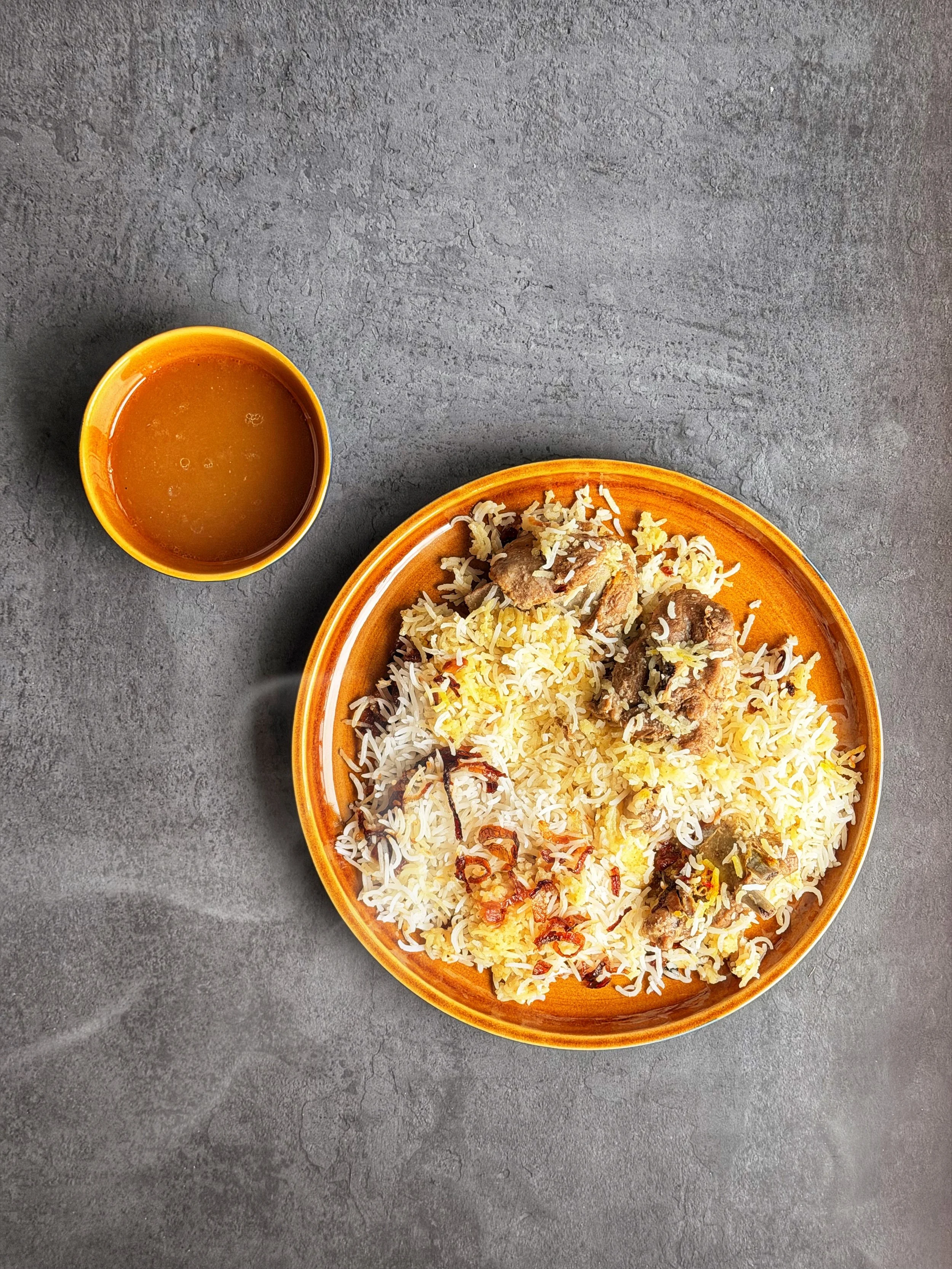
Awadhi Mutton Pulao
This is the sort of pulao that makes the word pulao sound far too casual.
The mutton is first cooked into a proper yakhni with curd and a coarse spice mixture, then removed so the broth can be strained completely clean. That yakhni is rebuilt with milk, cream, saffron, rose and kewra, while a second, much finer masala brings in fennel, mace, kebab chini and pipli. The meat goes back, partially cooked rice is layered over it with birista, and the whole thing disappears under a tightly sealed lid for dum.
It sounds elaborate, and it is. But every bit of fuss has a purpose: deeply flavoured meat, perfumed yakhni, long separate grains of rice and absolutely no whole spice ambush waiting halfway through dinner.
A pulao with the administrative complexity of a small government department.
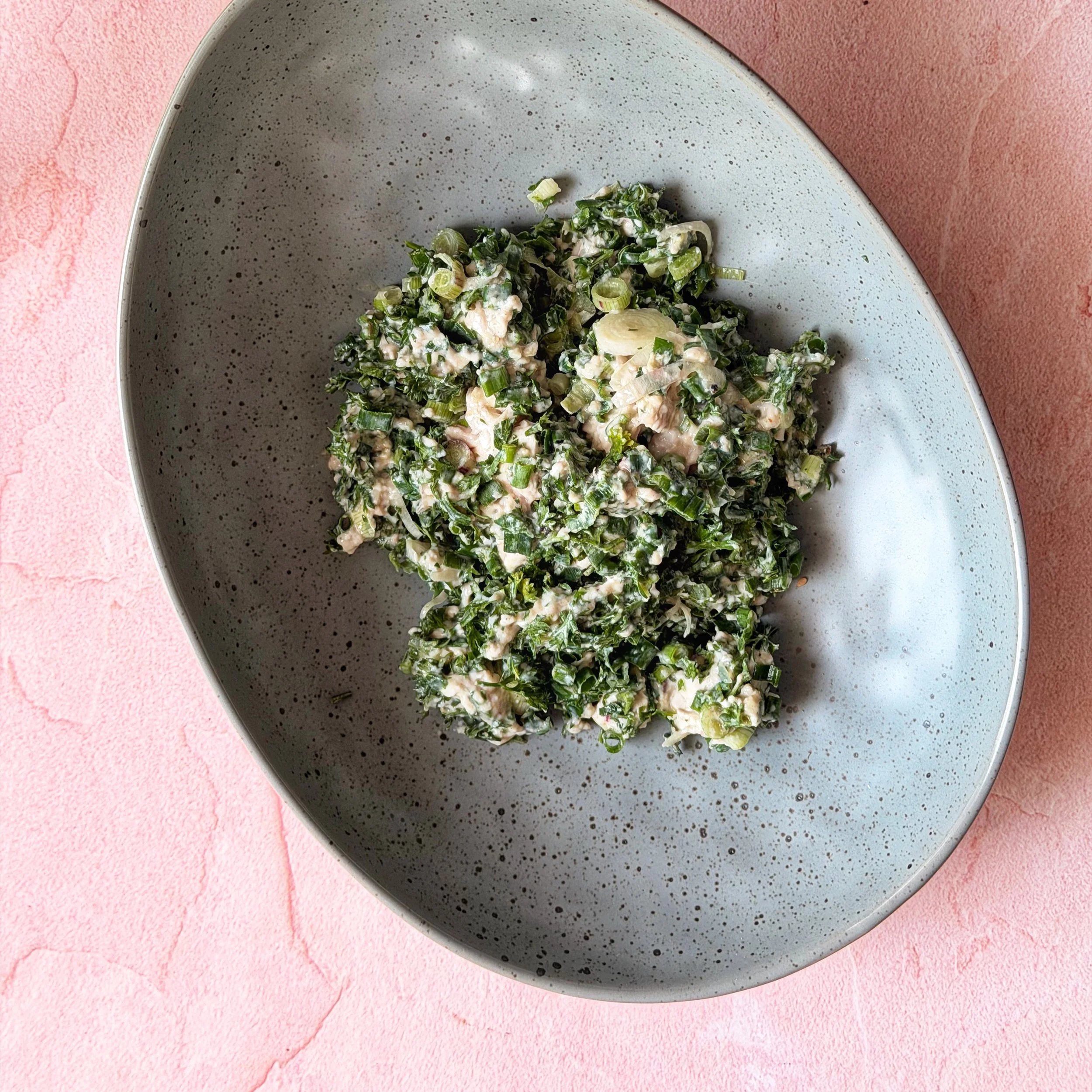
Beyin Salatasi
Brains have a reputation for being heavy, rich and generally the sort of ingredient that requires a certain amount of emotional preparation. Beyin Salatası takes a rather different approach.
The lamb brains are gently poached with vinegar, bay leaf, peppercorns and lemon zest, cooled, sliced and then treated almost like the delicate ingredient they actually are. Lots of parsley and spring onion, sharp lemon and vinegar, raw garlic and olive oil do most of the work around them. The result is creamy and incredibly soft, but also bright, acidic and surprisingly fresh.
It is a classic Turkish meyhane dish, and a useful reminder that offal doesn't always need to arrive fried, heavily spiced or disguised beneath a formidable gravy.
Sometimes a brain just needs a good salad.
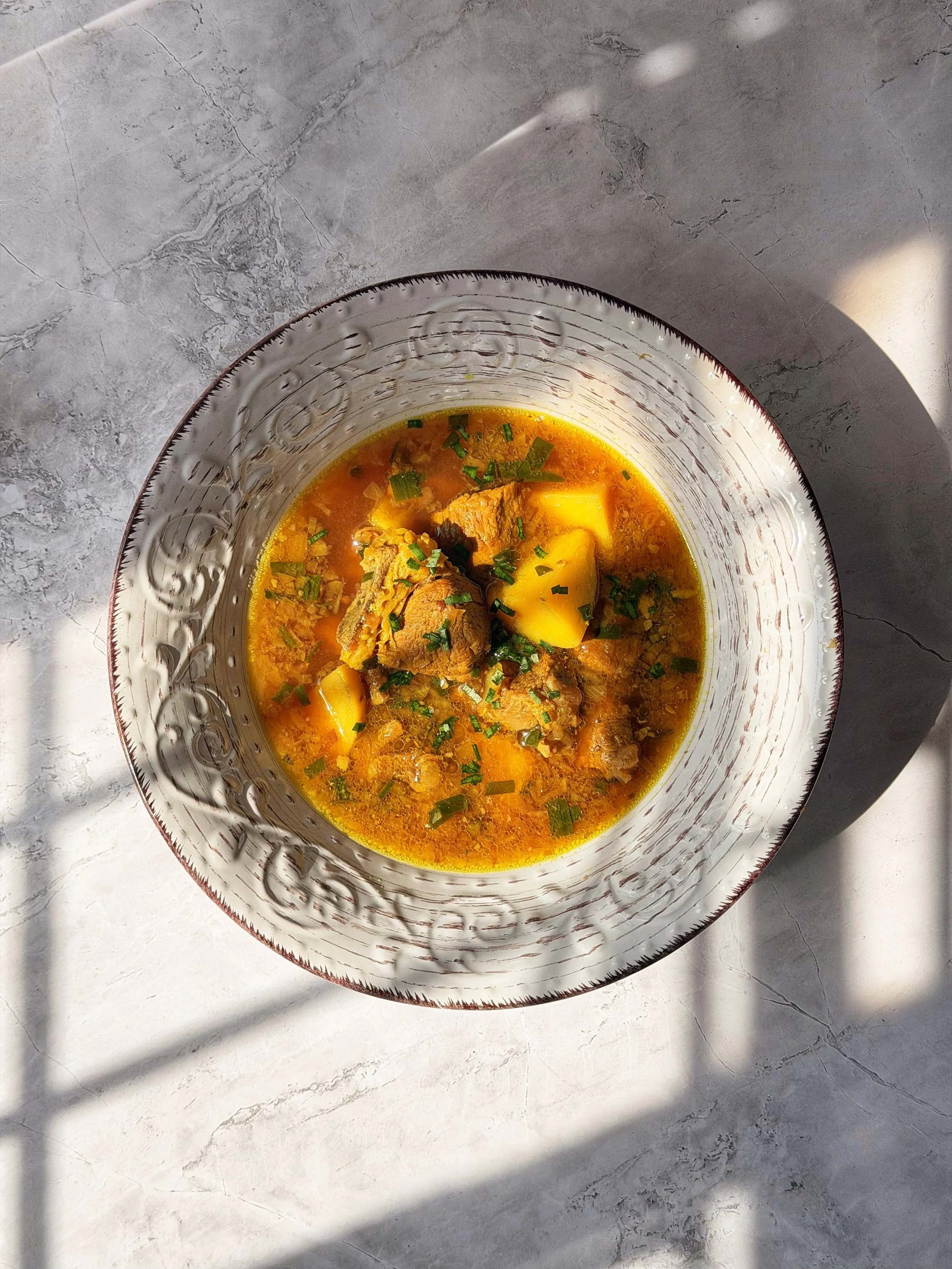
Shamdey
There was something unexpectedly meditative about making Shamdey. The ingredient list is remarkably short, which means instead of rushing through a dozen spices and processes, you get to spend a little time with each one.
Brown the onion properly, then take it out. Let the beef fry. Wait for the ginger and garlic to become aromatic. Give the meat all the time it needs to soften. Add the fennel only with the potatoes so its fragrance stays fresh. Finely chop the fried onion and return it right at the end. Every ingredient has a job, and every step seems to happen only when it needs to.
The result is deceptively simple: beef, potatoes and a light, soupy gravy, but with layers of sweetness, warmth and aroma built from very little.
A quiet recipe with very loud attention to detail.
Lonvas
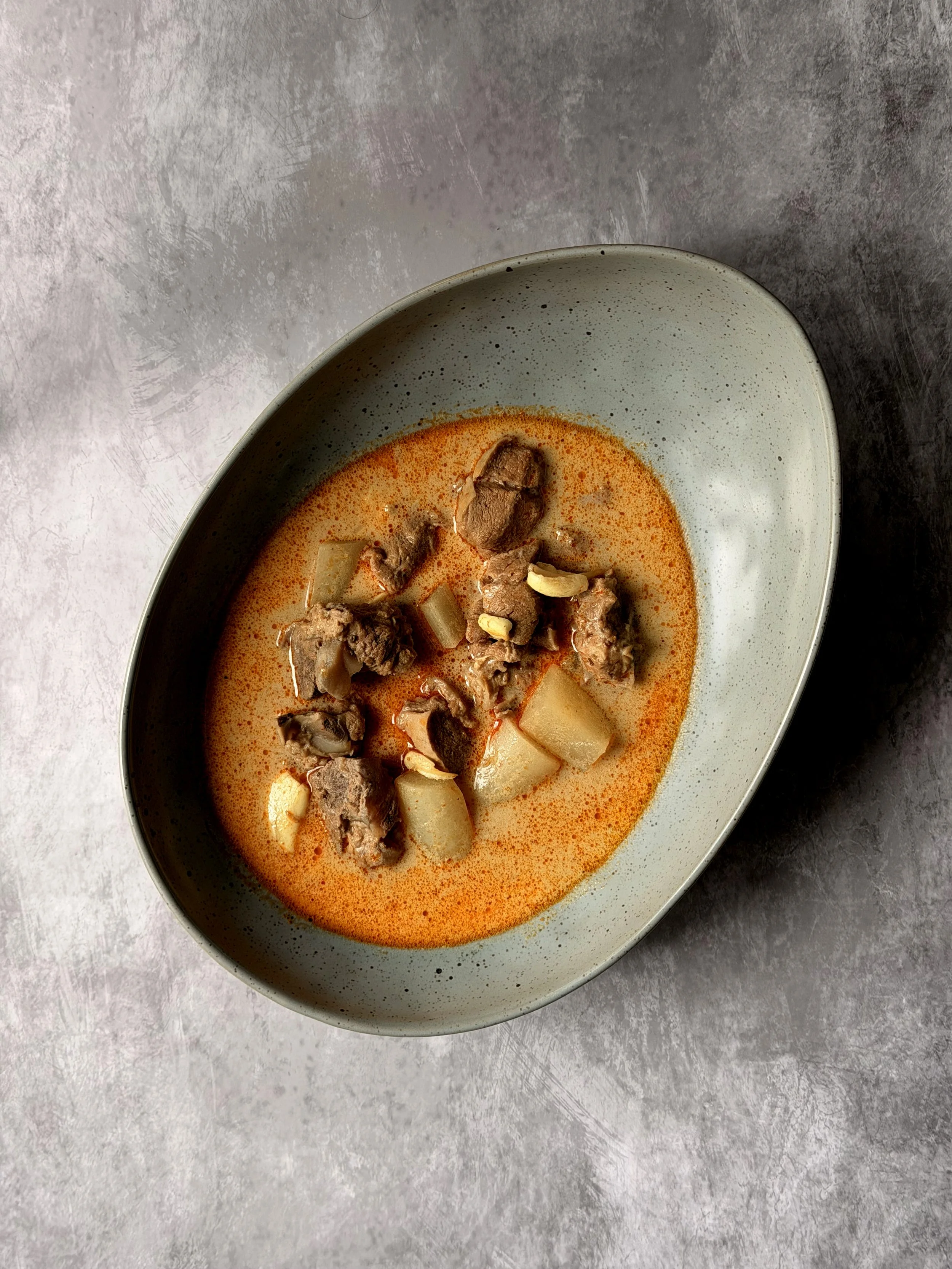
Lonvas begins with a rather excellent proposition: what if the radish got to cook in beef stock?
The East Indian answer involves beef, chunks of radish, coconut milk, tamarind and a generous spoonful of bottle masala. As everything simmers together, the radish goes from sharp and crunchy to soft, juicy little sponges full of beefy, spiced gravy. Frankly, it may be getting the better end of the arrangement.
Bottle masala is responsible for most of the personality here. That famously crowded East Indian spice blend brings heat, warmth and complexity, while tamarind sharpens things up and coconut milk rounds out the gravy at the end.
The beef is excellent, obviously. But don't be surprised if you find yourself fishing around the pot for another piece of radish.
Yemeni Mutton Mandi
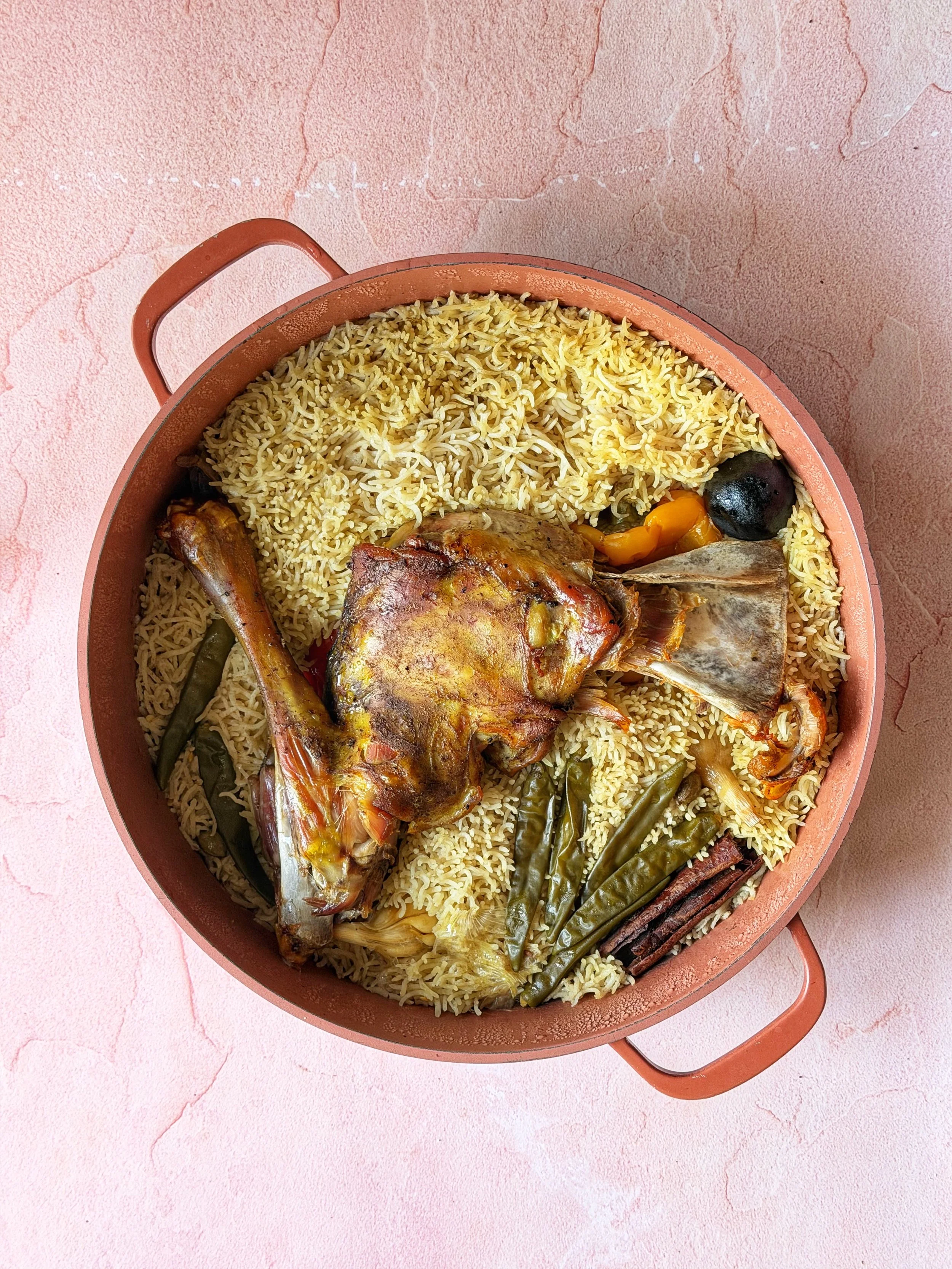
Mandi is traditionally associated with Yemen’s Hadhramaut region, where meat is cooked slowly with heat and smoke while its juices flavour the rice below. Reproducing that setup in a home kitchen requires a little architectural improvisation.
Here, a whole goat leg sits on a rack above a pot of water scented with black lime, whole spices, chillies, peppers and garlic. Three hours in the oven turns the liquid underneath into a broth enriched by everything dripping down from the goat. Then the rack disappears, rice goes into that broth, the leg comes back on top, and the whole arrangement returns to the oven to finish together.
A final blast of charcoal smoke does its best impression of the traditional cooking environment.
It is essentially a three-hour exercise in making gravity season your rice, followed by the extremely satisfying act of putting an entire goat leg on the table.
Laal Maas
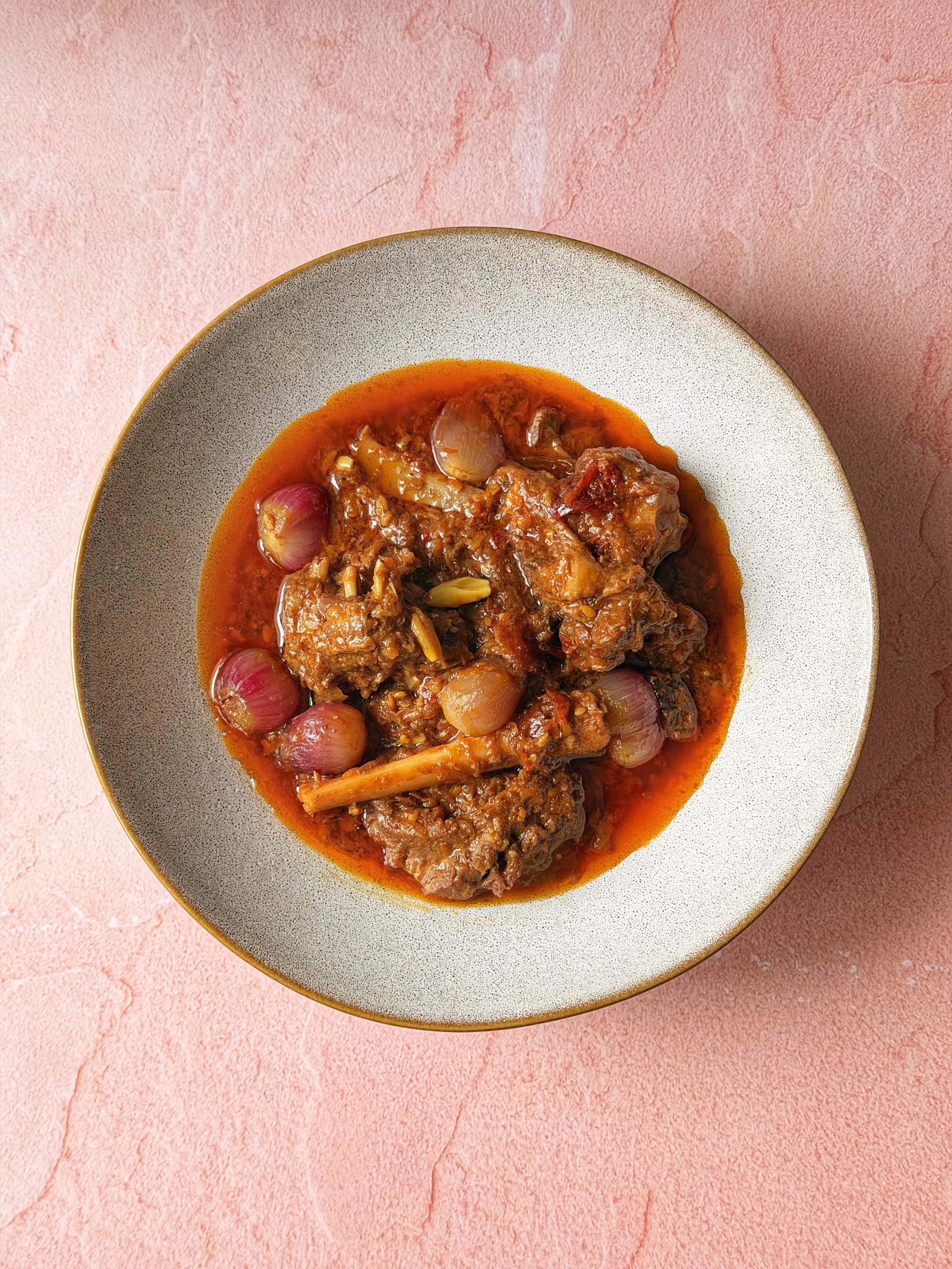
Ask five people for an authentic Laal Maas recipe and there is a good chance you will come away with six answers. This version came out of that particular rabbit hole. I compared recipes associated with royal kitchens in Mewar and Jodhpur, watched how the dish is still cooked within those traditions, and eventually stumbled upon Digvijaya Singh Sailana’s Do Peeaza Lal Mirch, a different Rajasthani mutton dish with some striking similarities.
So this isn’t an attempt to declare one definitive Laal Maas. It takes the ideas that kept making sense to me: bone-in goat, an unreasonable amount of red chilli and garlic, sour curd, kachri, mustard oil and a little smoke. Mathania chillies go in both ground and torn, while golden onions and whole shallots borrow from Sailana’s recipe. The marinated meat even gets a dhungar before cooking, letting the smoke quietly survive the long braise.
Sometimes researching authenticity gives you an answer. Sometimes it gives you a much better recipe.
Lamb Shanks and Olive Casserole
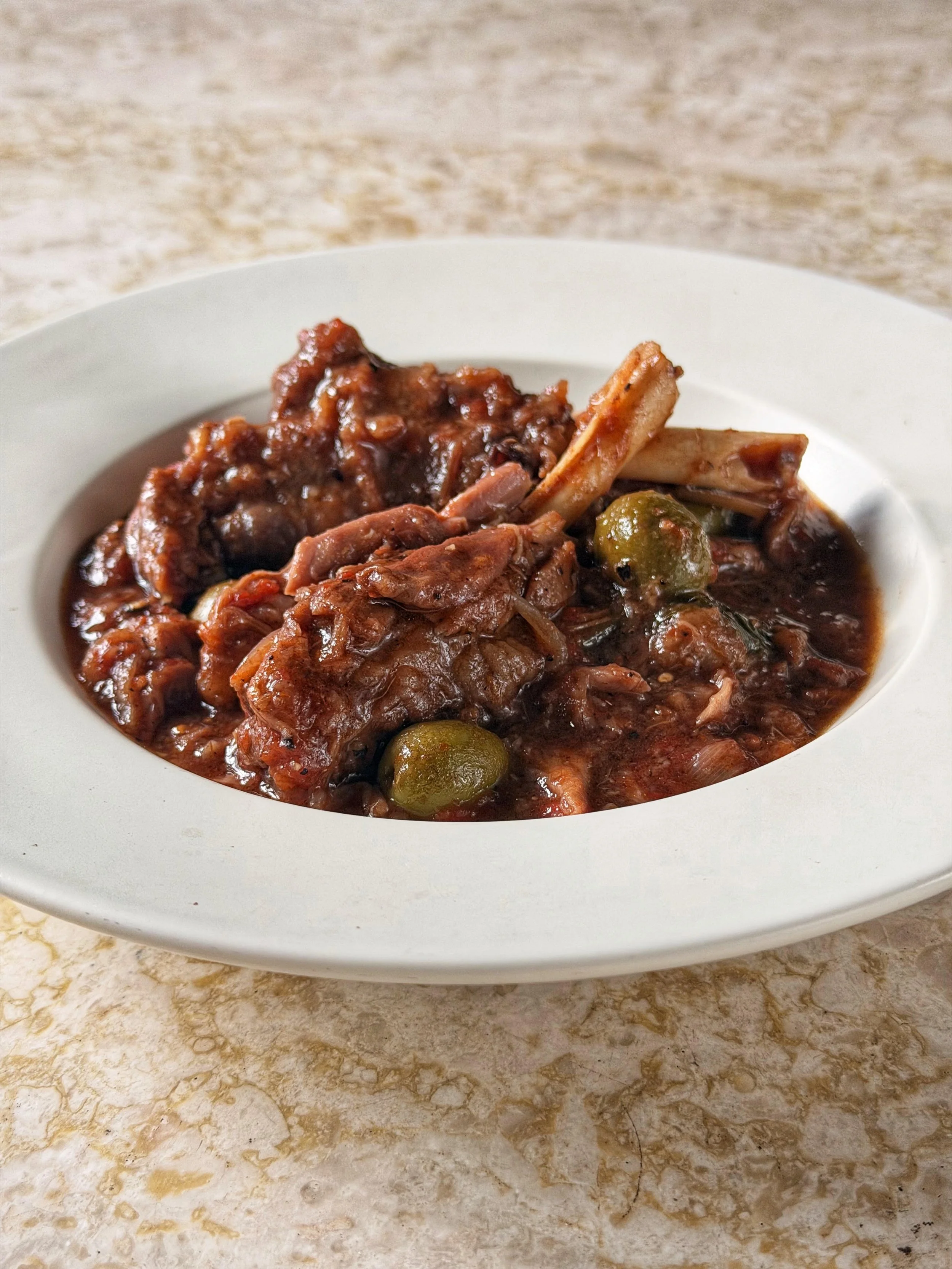
This Lebanese lamb casserole is basically what happens when a slow braise develops a bit of an attitude. Lamb shanks cook until they are barely hanging onto the bone, while olives, seven-spice and pomegranate molasses push the sauce between savoury, briny and sweet-tart. Then there are anchovies, which sound like they have wandered into the wrong recipe but quietly melt away and leave behind a serious hit of umami. Give it enough time and everything collapses into a rich, deeply flavoured sauce that demands bread, rice, or preferably both. Some dishes are simply not designed for restraint.
Mutton Marag
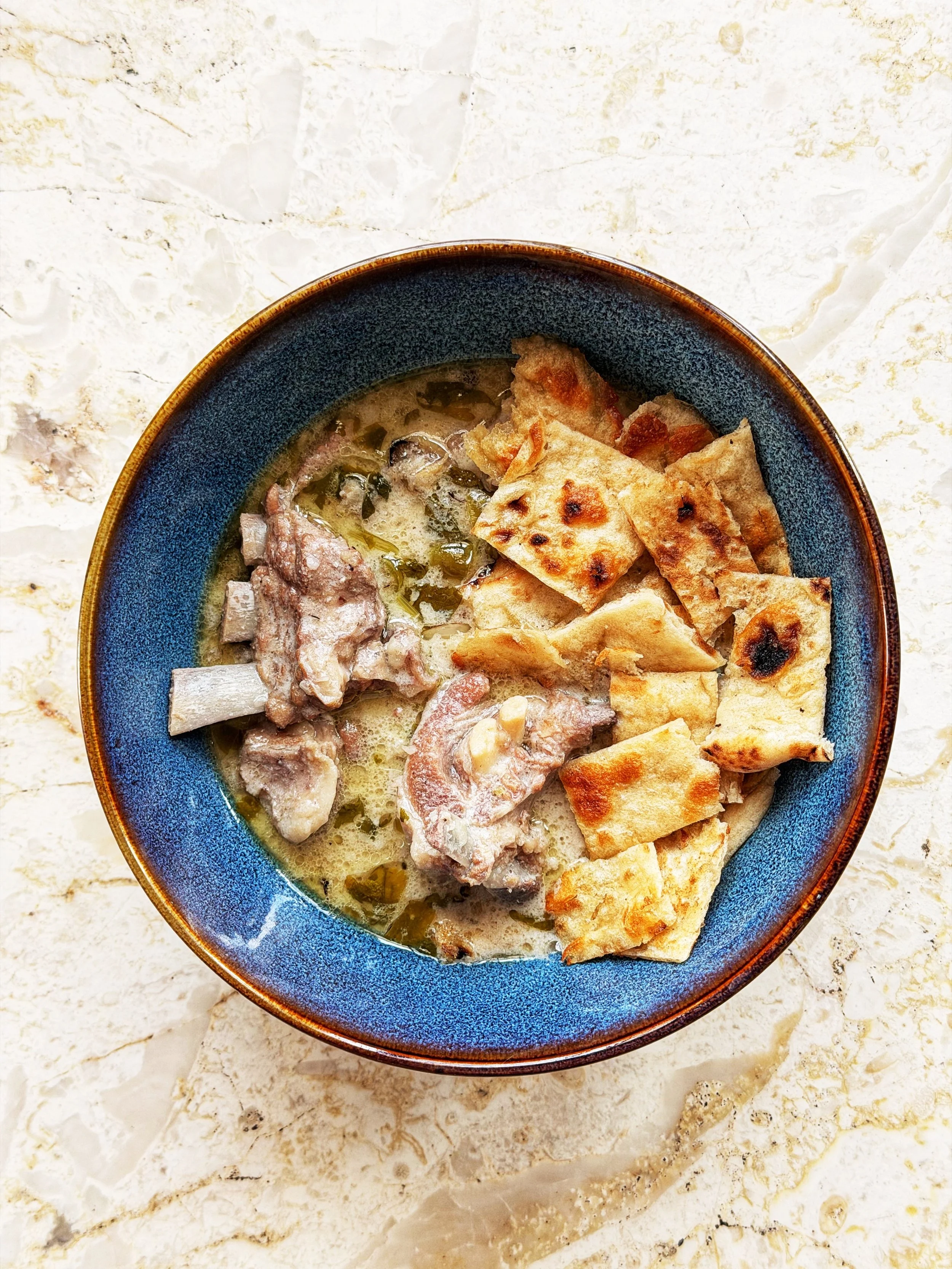
Marag is the sort of dish that sits somewhere between a soup and a curry and refuses to be put in a box. Popular in Hyderabad and associated with the city's Muslim culinary traditions, it is essentially tender mutton swimming in a rich, aromatic broth, gently thickened with nuts and milk. There are no armies of spice powders here. Instead, whole spices, black pepper, herbs and slow-cooked mutton do most of the talking. Pour it into a bowl, throw in some torn naan and you have dinner, a spoon and a bowl doing the work of an entire thali.
Wazwan Rogan Josh
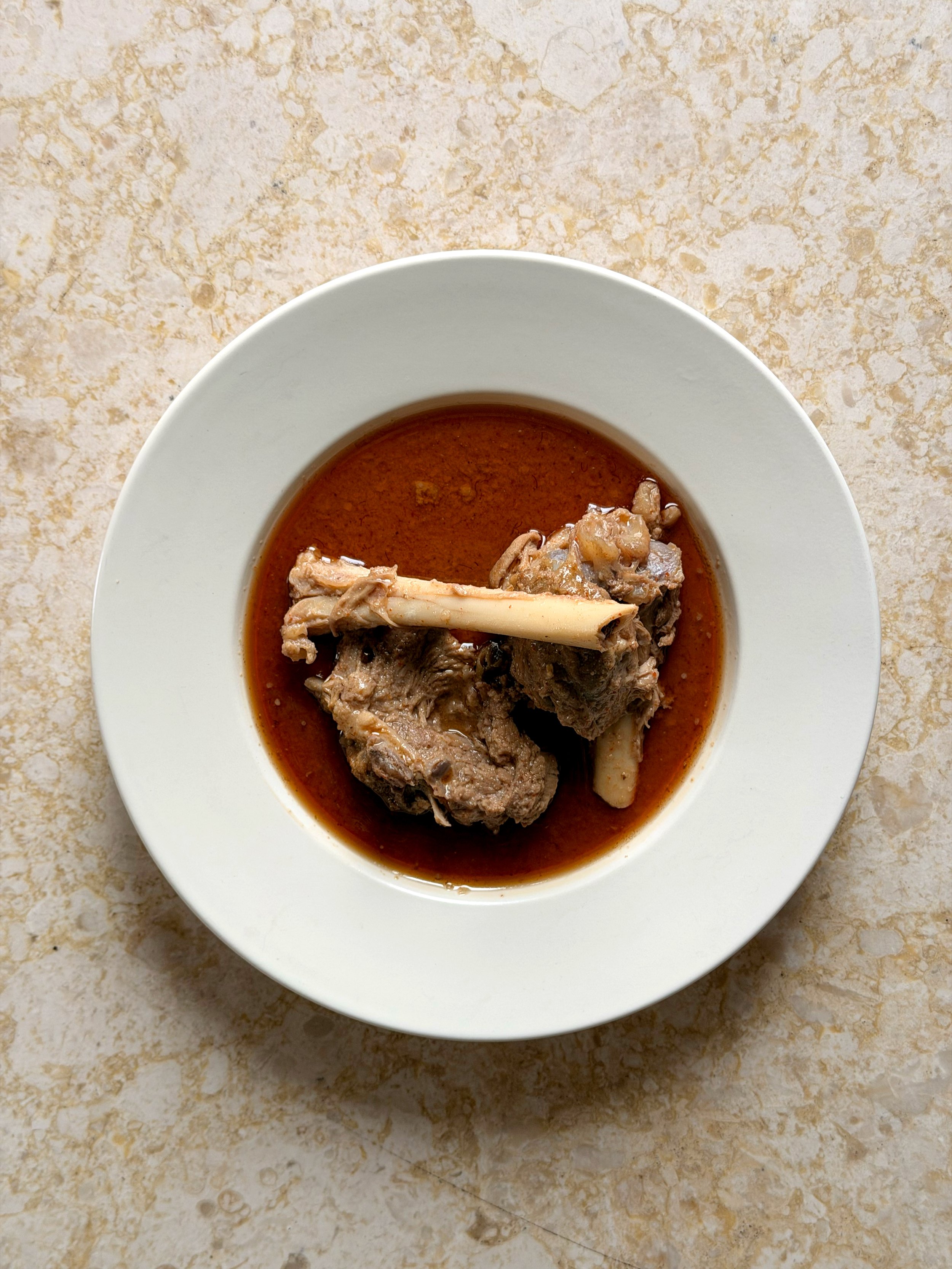
Rogan Josh is one of those dishes that proves you don't need a long ingredient list to make something deeply complex. In this older Wazwan-style version, there is no onion, garlic or tomato. The gravy is built around yogurt, fennel and dry ginger, while ratanjot is used to give the mustard oil its striking ruby-red rogan. It is aromatic rather than fiery, rich without being heavy, and a good reminder that sometimes the most interesting chemistry happens when you leave things out.
Kanakapura-Style Green Mutton Chops
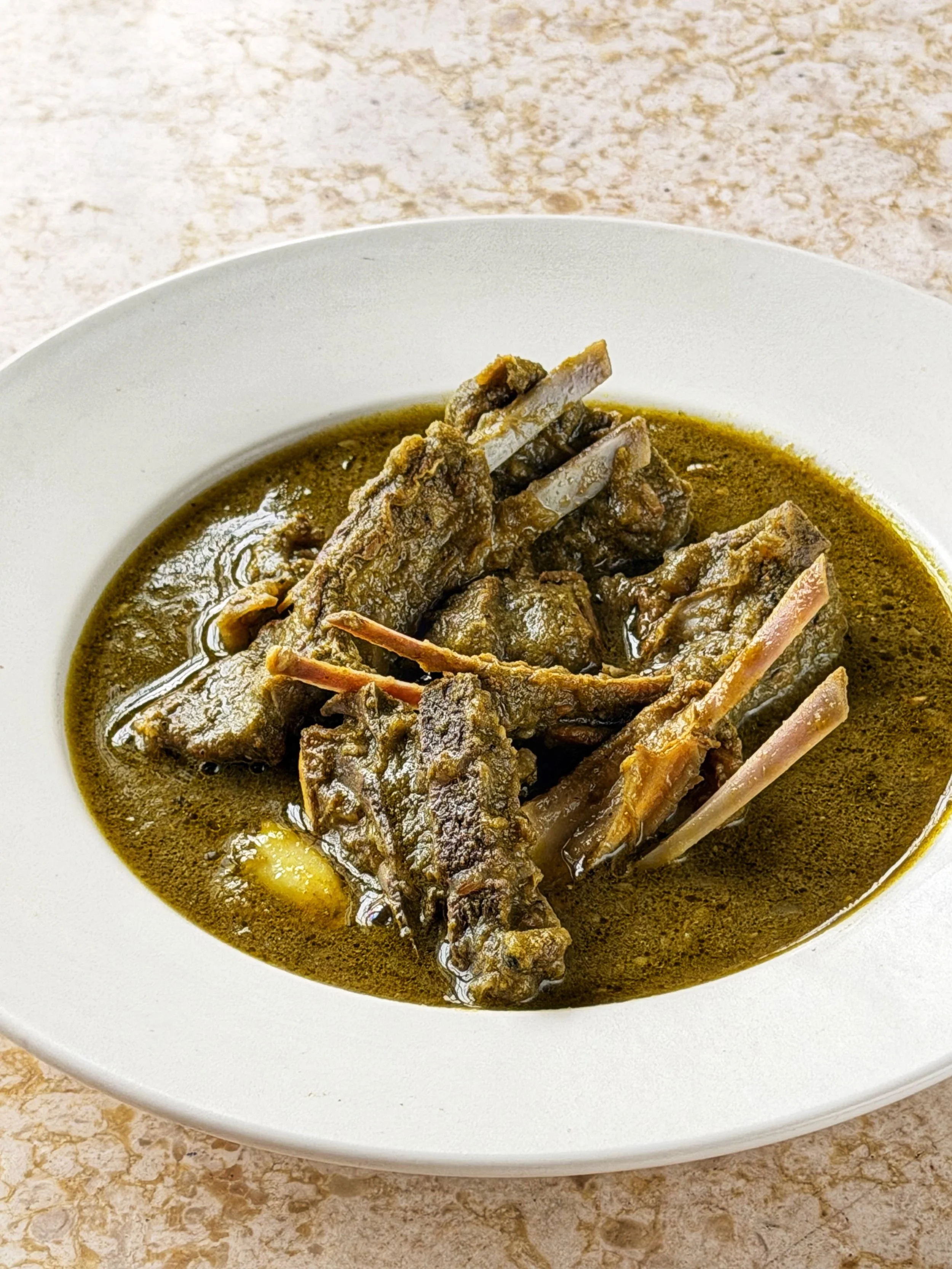
This is the kind of mutton curry that doesn't believe in being polite. The green masala brings coriander, mint, green chillies and curry leaves, while black pepper adds a second, darker kind of heat. There is just enough coconut to give the gravy some body without getting in the way. Then comes the final tempering, where garlic, pepper and curry leaves hit hot oil and make the whole kitchen smell like trouble. Best eaten with ragi mudde, preferably with your hands and absolutely no apologies.