
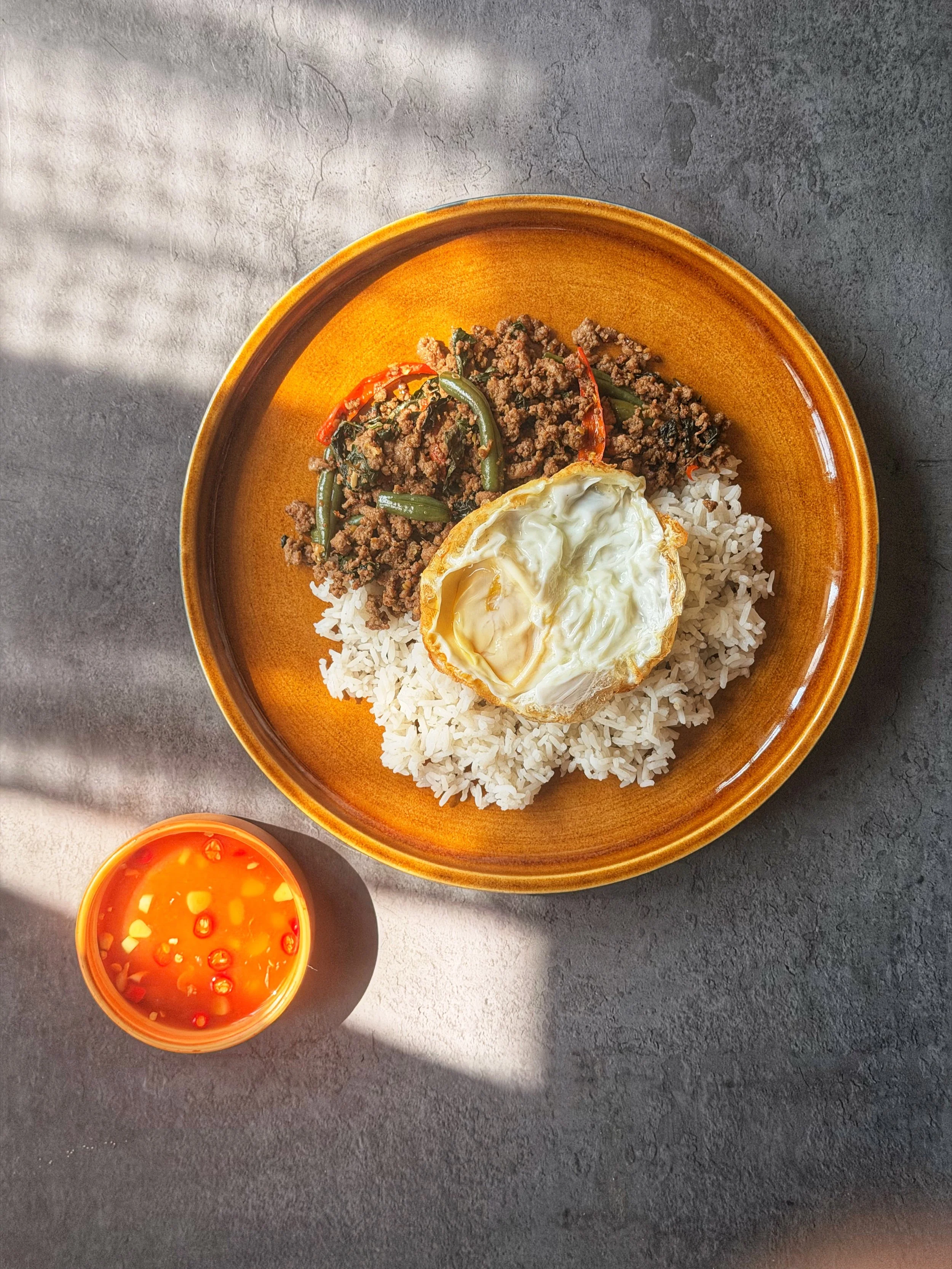
Pad Kra Pao Beef
Pad Kra Pao is more than just one of Thailand's most popular dishes. It's practically a national institution, found everywhere from roadside stalls and small neighbourhood eateries to bustling food courts. In Thailand, it's often associated with the expression ahan sin khit, loosely meaning “food for when you can't think of what to eat.” It's the dependable everyday meal people turn to when they're hungry, in a hurry or simply don't want to make another decision.
Much of its popularity comes from Thailand's ahan tam sang culture, where inexpensive meals are freshly prepared to order. Pad Kra Pao fits perfectly into this world. It's quick, affordable and endlessly adaptable, made with everything from pork and chicken to beef and seafood. Yet, for such a seemingly simple dish, it inspires surprisingly passionate debates about ingredients, particularly the use of holy basil, which gives the dish its name and distinctive peppery aroma.
What makes Pad Kra Pao special is precisely how ordinary it is. It isn't ceremonial food or something reserved for celebrations. It's the food of working days, lunch breaks and late-night hunger. A reminder that some of a country's most important culinary traditions aren't found at elaborate feasts, but in the everyday meals people return to again and again.
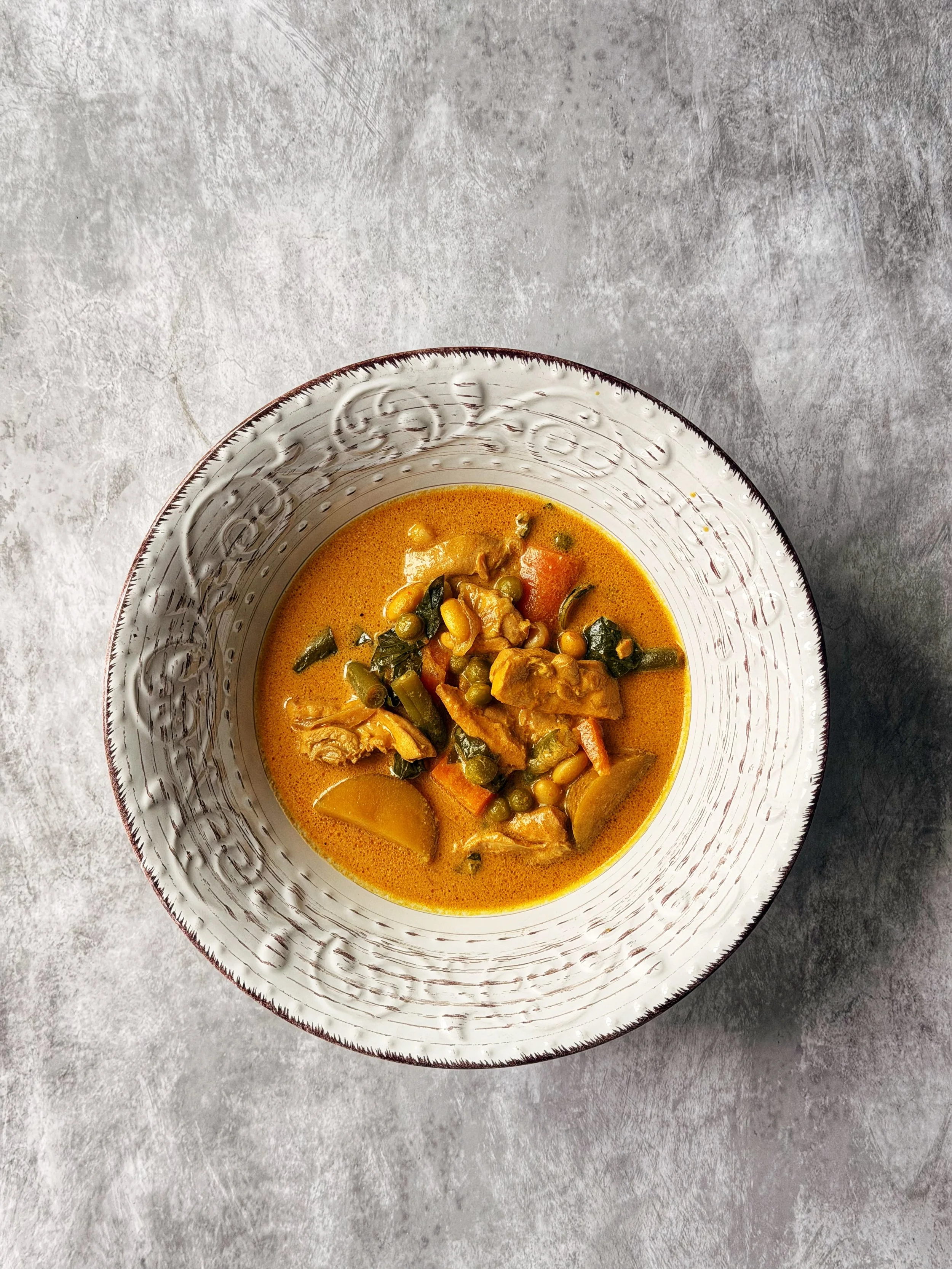
Thai Yellow Chicken Curry
Thai yellow curry, or Gaeng Kari, is a wonderful example of how different culinary traditions have influenced Thai cooking. While green and red curries are known for their fresh, fiery aromatics, yellow curry takes a slightly different approach, incorporating spices more commonly associated with Indian cooking, such as cumin, coriander, cardamom and fenugreek. The result is a fragrant, gently spiced curry with a rich golden colour and a beautifully rounded flavour.
The heart of the dish is its curry paste, made from dried and fresh chillies, lemongrass, galangal, fresh turmeric, shallots, garlic and fermented shrimp paste. These ingredients are ground together and fried until aromatic before being combined with coconut milk, stock, fish sauce, palm sugar and tamarind. The combination creates a wonderful balance of sweetness, saltiness, acidity and gentle heat, with the coconut milk bringing everything together.
For this version, I've used boneless chicken thighs along with a mixture of potatoes, carrots, green beans and bamboo shoots. The vegetables are added in stages so that everything cooks properly without losing its texture. I also reserve some of the coconut milk until the very end, which gives the finished curry a fresher coconut aroma and a lovely creamy consistency.
Although making the curry paste from scratch takes a little effort, the actual cooking is surprisingly straightforward. It's also a versatile preparation that works beautifully with seafood, beef or tofu. Finished with Thai basil, fresh chillies and crispy fried shallots, it's a comforting, aromatic curry that needs little more than a bowl of steamed jasmine rice to make a complete meal.
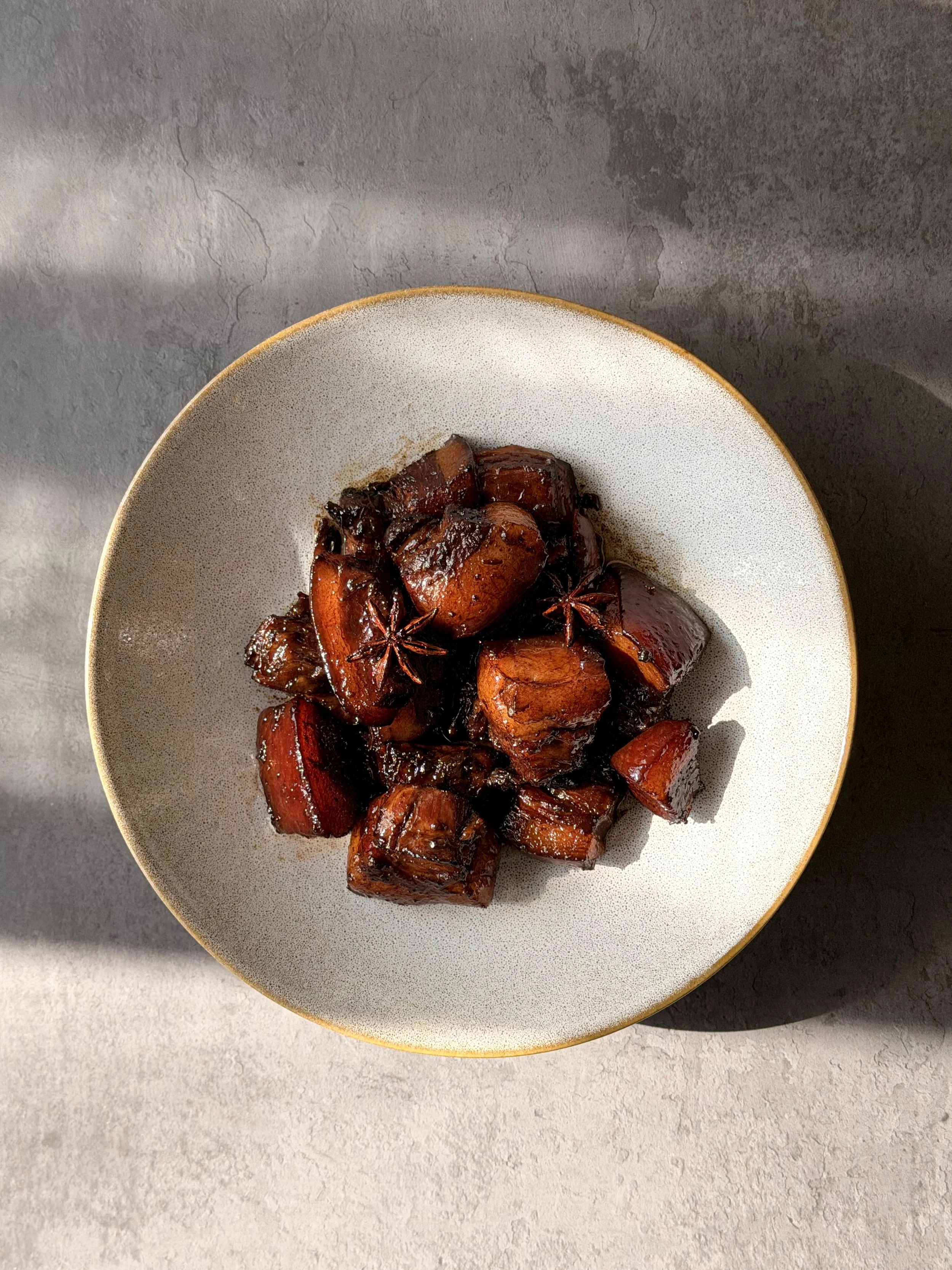
Shanghai-Style Braised Pork Belly
Hong Shao Rou, or red-braised pork belly, is one of those Chinese dishes that manages to turn a handful of everyday ingredients into something quite extraordinary. Found in different variations across China, the Shanghai-style preparation is particularly known for its rich, slightly sweet flavour, deep reddish-brown colour and beautifully glossy sauce.
The magic lies in the technique rather than an elaborate list of ingredients. Skin-on pork belly is first blanched, then lightly browned in caramelised sugar before being slowly braised with Shaoxing wine, light and dark soy sauces, ginger and a few aromatics. Over the course of cooking, the fat softens, the connective tissue turns gelatinous and the meat becomes wonderfully tender while still holding its shape.
The final stage is perhaps the most satisfying. The braising liquid is reduced until the sugar, soy sauce and rendered pork fat come together into a thick, glistening glaze that coats every piece. The result is a wonderful balance of sweet, savoury and deeply porky flavours, with soft, almost melting layers of fat contrasting against the slightly chewy skin.
Despite its luxurious appearance, Hong Shao Rou is surprisingly uncomplicated to make. It simply requires good pork belly, a little patience and the discipline not to rush the braising process. Serve it with plain steamed rice and some greens, because with something this rich, you really don't need much else.
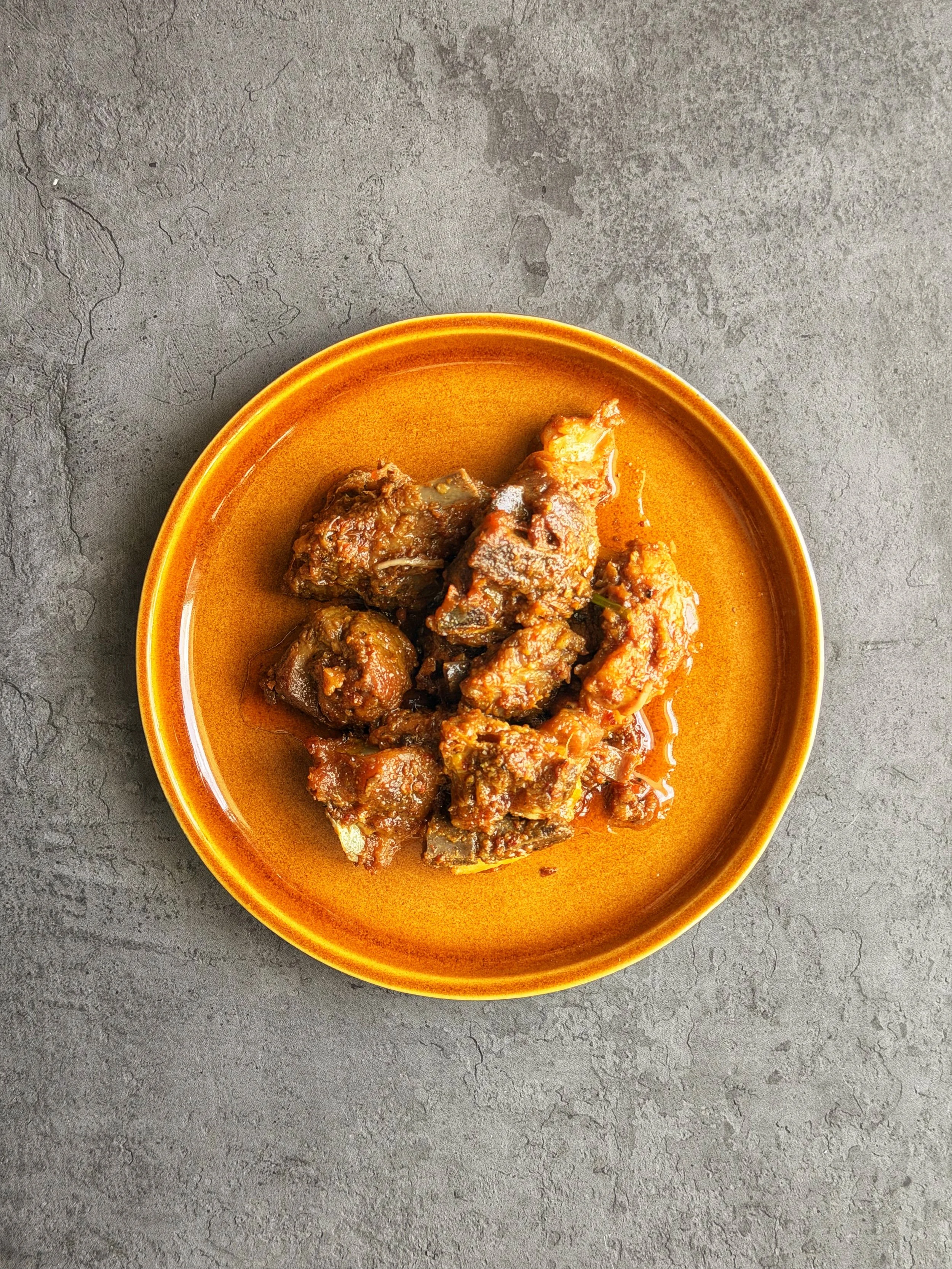
Khasi ko Pakku
Dashain is Nepal's biggest Hindu festival, a celebration of the victory of good over evil, family reunions, blessings and, in many households, a considerable amount of goat meat. Animal sacrifice is part of the festival's traditions for some communities, and the meat is shared among family and relatives, making dishes like Khasi ko Pakku an important part of the festive table.
Pakku is particularly interesting because its cooking method also reflects an older practical concern: making the most of freshly slaughtered meat in the days before refrigeration. Marinated with mustard oil, yogurt and spices, the goat is cooked slowly in its own juices, without adding water, until the moisture reduces and the masala clings tightly to the meat. The resulting relatively dry preparation could keep better than a watery curry, although it still requires proper refrigeration today.
It's a wonderful example of a cooking technique shaped by both celebration and necessity. Richly spiced, deeply savoury and especially good with chiura, rice or a sharp Nepali achar.
A festival dish with a rather practical understanding of what to do when there's an entire goat to get through.
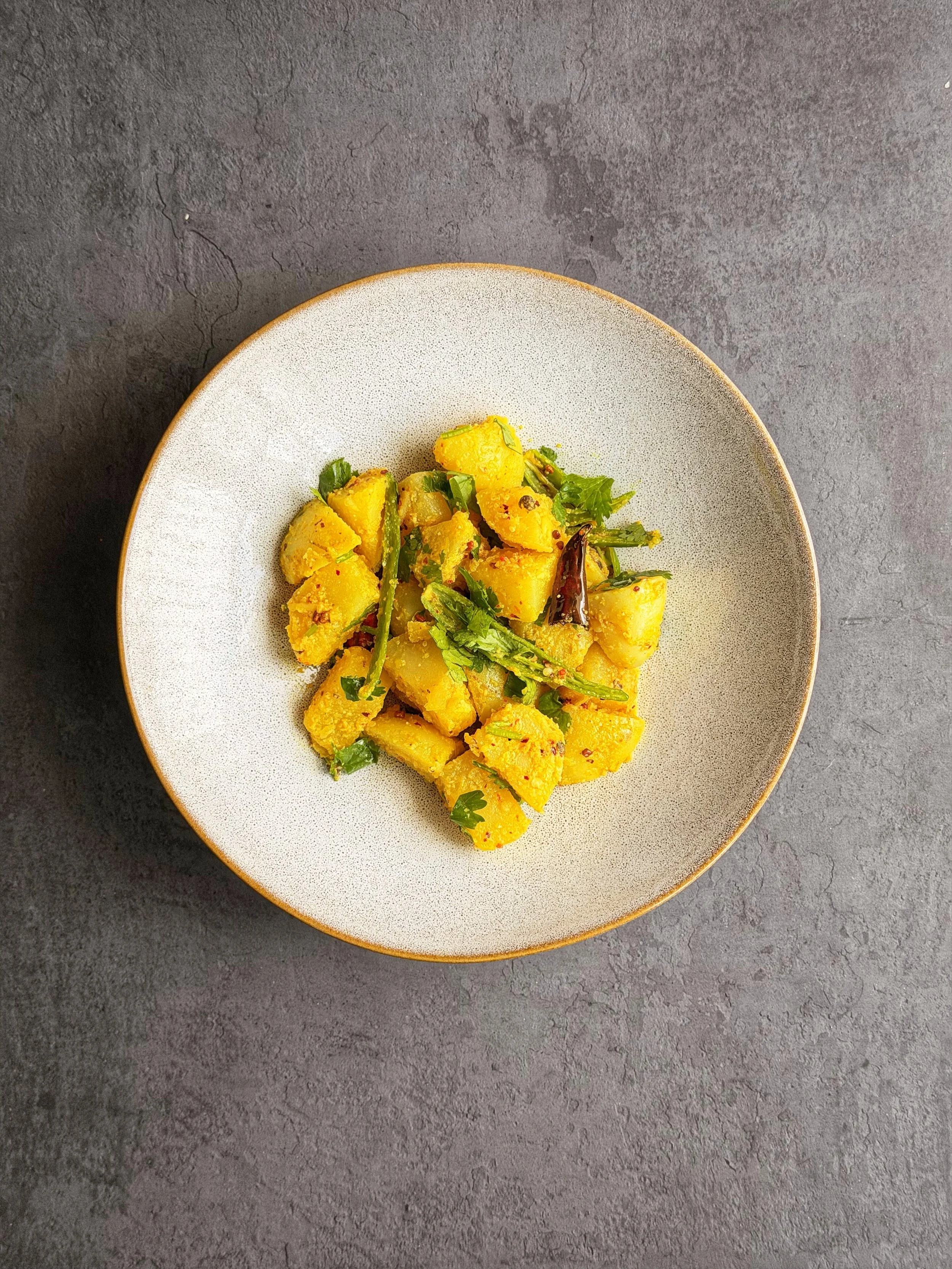
Aloo ko Achar
In Nepal, achar doesn't necessarily mean something pickled and preserved in a jar. Sometimes it's an entire potato dish masquerading as a condiment. Aloo ko Achar is one of those rather generous interpretations.
Boiled potatoes are tossed with roasted sesame seeds, green chillies, ginger, mustard oil and timur. A tempering of fenugreek seeds, taken almost to the edge of bitterness, adds another layer of flavour, while lemon juice keeps everything bright and tangy.
It's a familiar presence at Nepali gatherings and festive meals, including Dashain, where its acidity and nuttiness make a particularly good counterpoint to rich goat preparations like Khasi ko Pakku. It's equally happy alongside dal bhat or a plate of chiura.
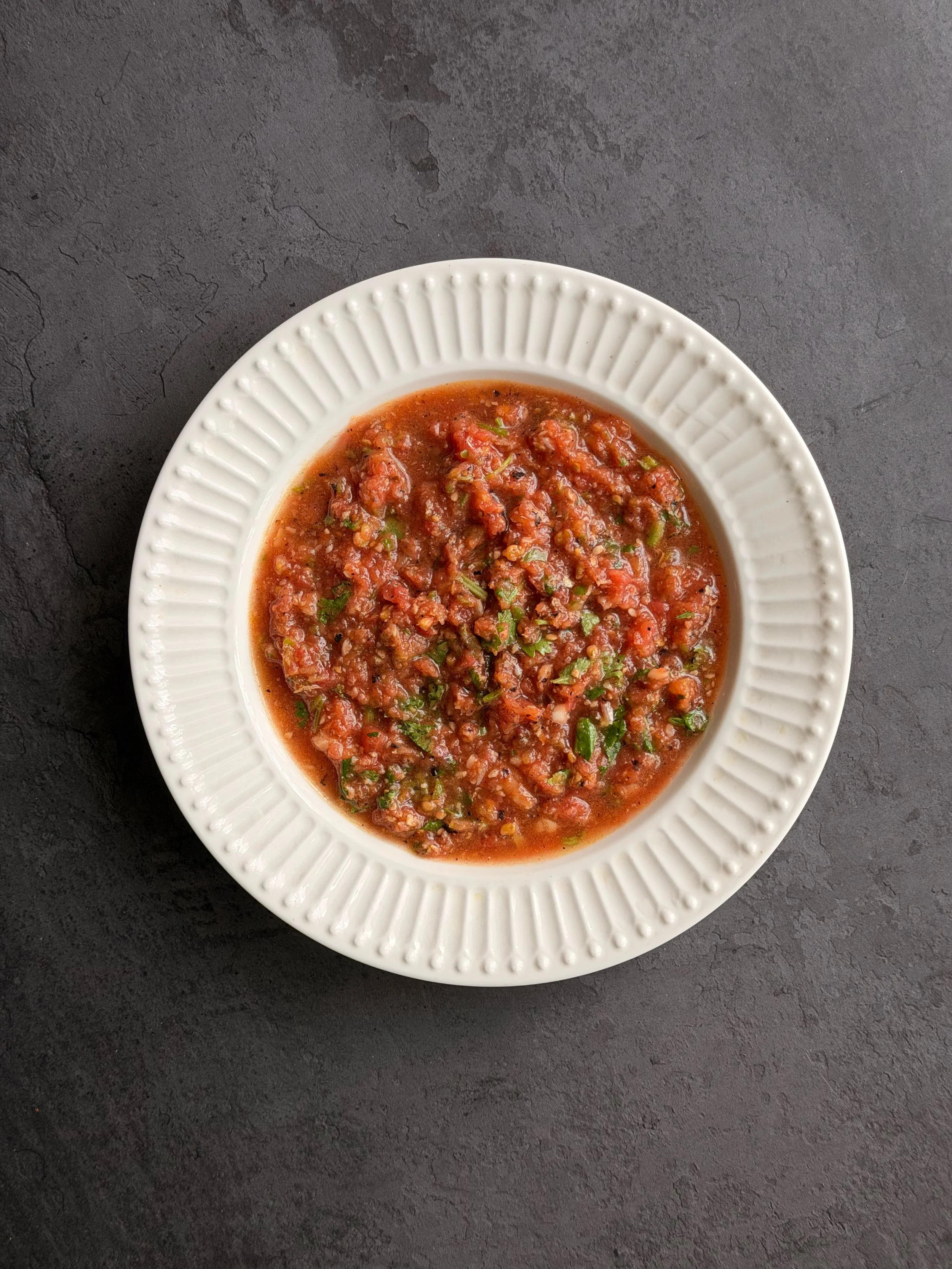
Golbheda ko Achar
In Nepal, achar is a considerably broader category than the pickles we usually associate with the word in India. It can be fresh, roasted, fermented, chunky or almost sauce-like, and often plays a much bigger role in a meal than its modest position on the plate suggests.
Golbheda ko Achar is a particularly good example. Whole tomatoes are roasted over an open flame until their skins blister and their flesh turns soft and smoky. They're then crushed with toasted sesame seeds, garlic, green chillies and timur, Nepal's wonderfully aromatic, tongue-tingling relative of Sichuan pepper. A little mustard oil brings everything together.
The result is smoky, sour, nutty and pleasantly fiery. Traditionally served alongside dal bhat and other Nepali meals, it's also an excellent companion to rich meat dishes like Khasi ko Pakku.
Technically a condiment. Quite capable of becoming the main attraction.
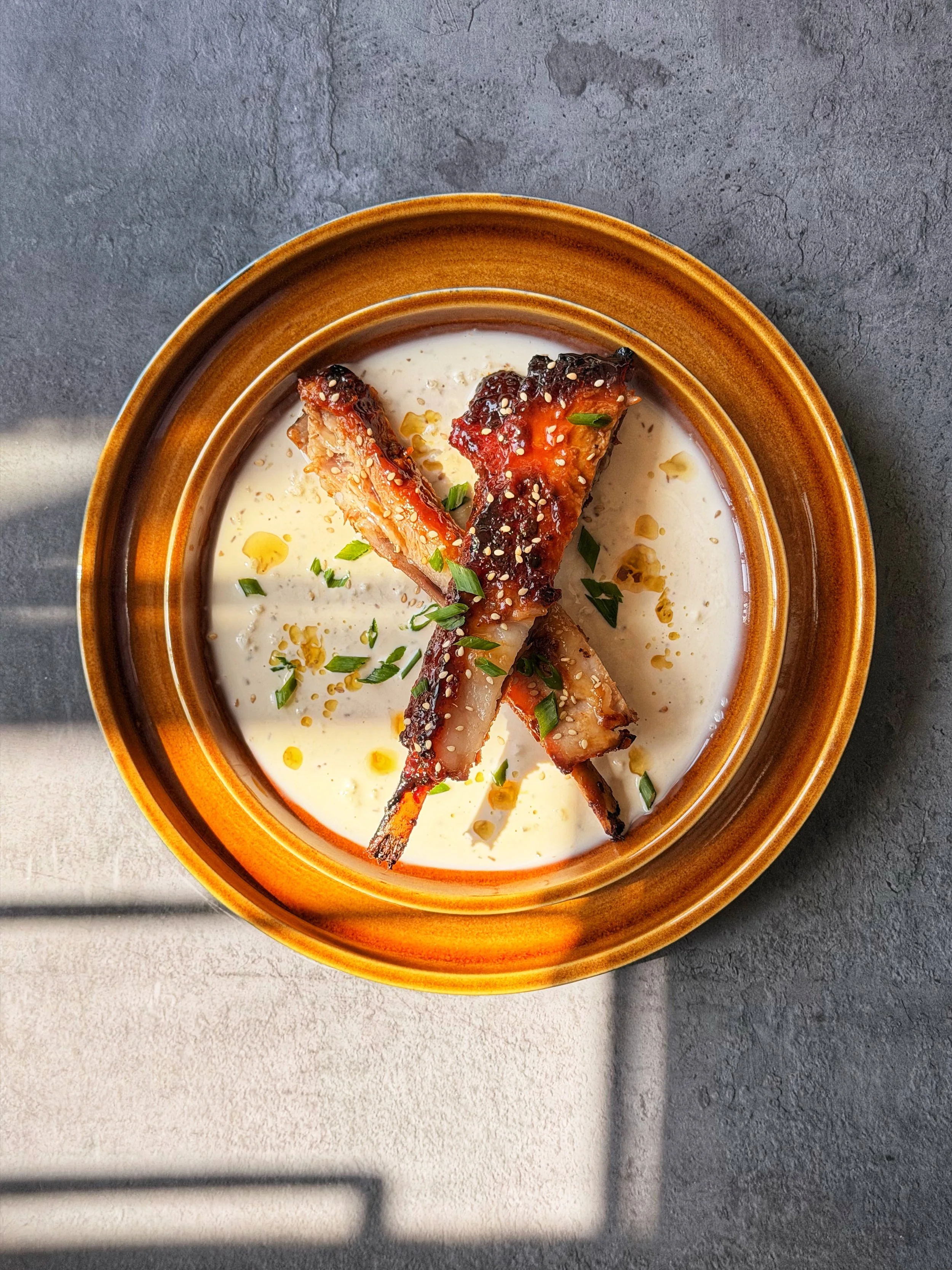
Korean BBQ Pork Ribs
Korean fermented pastes are particularly good at making pork taste like considerably more effort went into it than actually did. Ssamjang brings the deep, savoury funk of fermented soybeans, while gochujang contributes chilli, sweetness and a rather enthusiastic shade of red.
The trick here is keeping the two stages separate. The ribs are first marinated with ssamjang, ginger and garlic, then slowly roasted under foil until tender. Only then does the gochujang and honey glaze go on, followed by a blast of high heat to turn everything sticky, glossy and lightly charred. A little perilla seed oil adds its distinctive nutty aroma at the end.
It's Korean-inspired rather than a traditional Korean barbecue preparation, but the flavour combination makes a very convincing argument for keeping both pastes in your fridge.
Low and slow for the meat. Hot and fast for the sticky business.
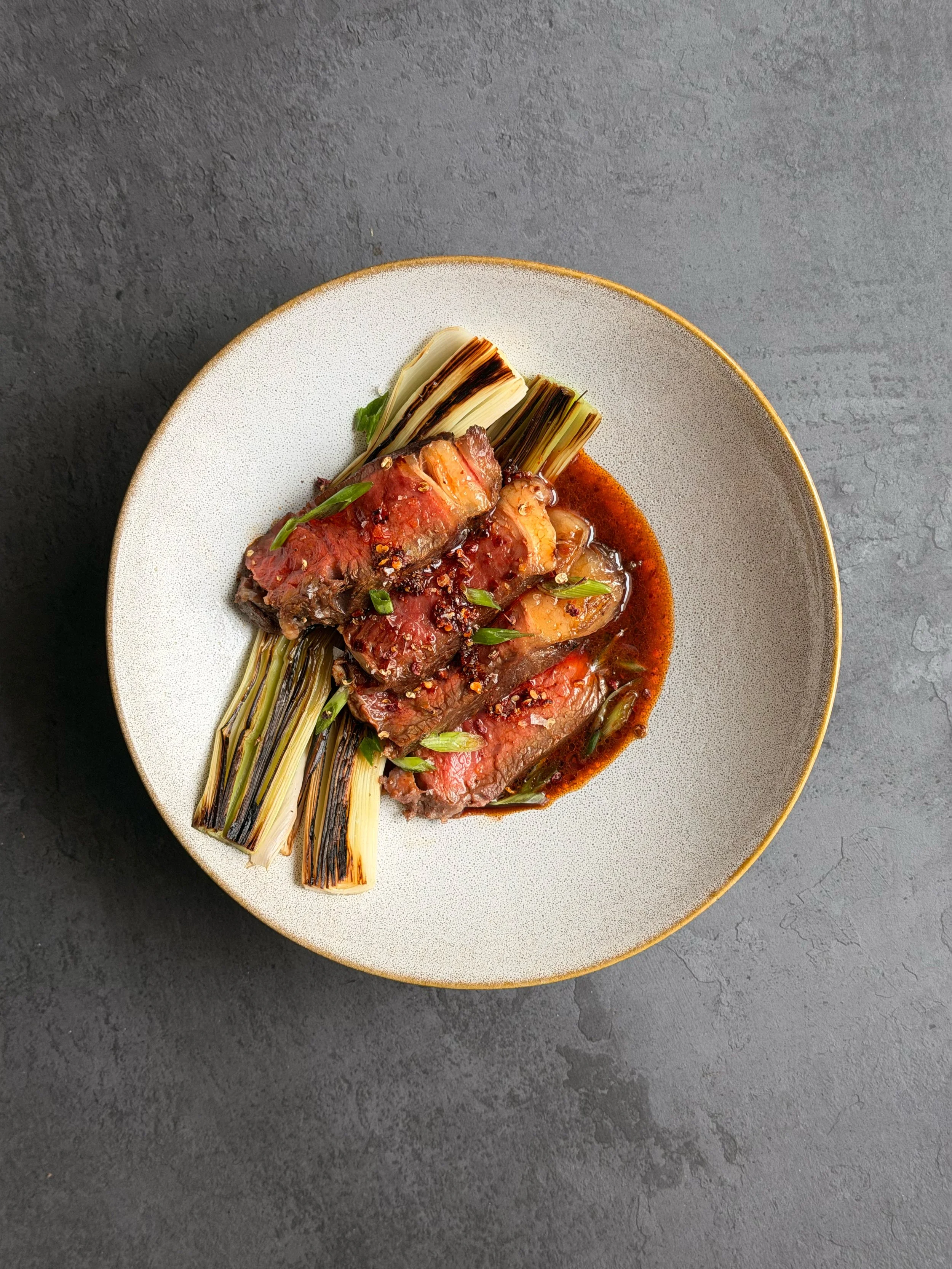
Sichuan Ribeye with Charred Leeks & Chilli-Oil Beef Jus
A French steak wandered into a Sichuan pantry and things escalated.
The ribeye gets the classic treatment: hard sear, gentle oven, proper rest. The beef jus, however, gets doubanjiang, Shaoxing wine, soy, Chinkiang vinegar, Sichuan pepper and chilli oil. Underneath, leeks are deliberately taken to the edge of burnt, turning sweet, smoky and almost creamy inside.
Not quite Sichuan steak. Not steak with Sichuan sauce either. More like French technique having a very good time with Sichuan problems.
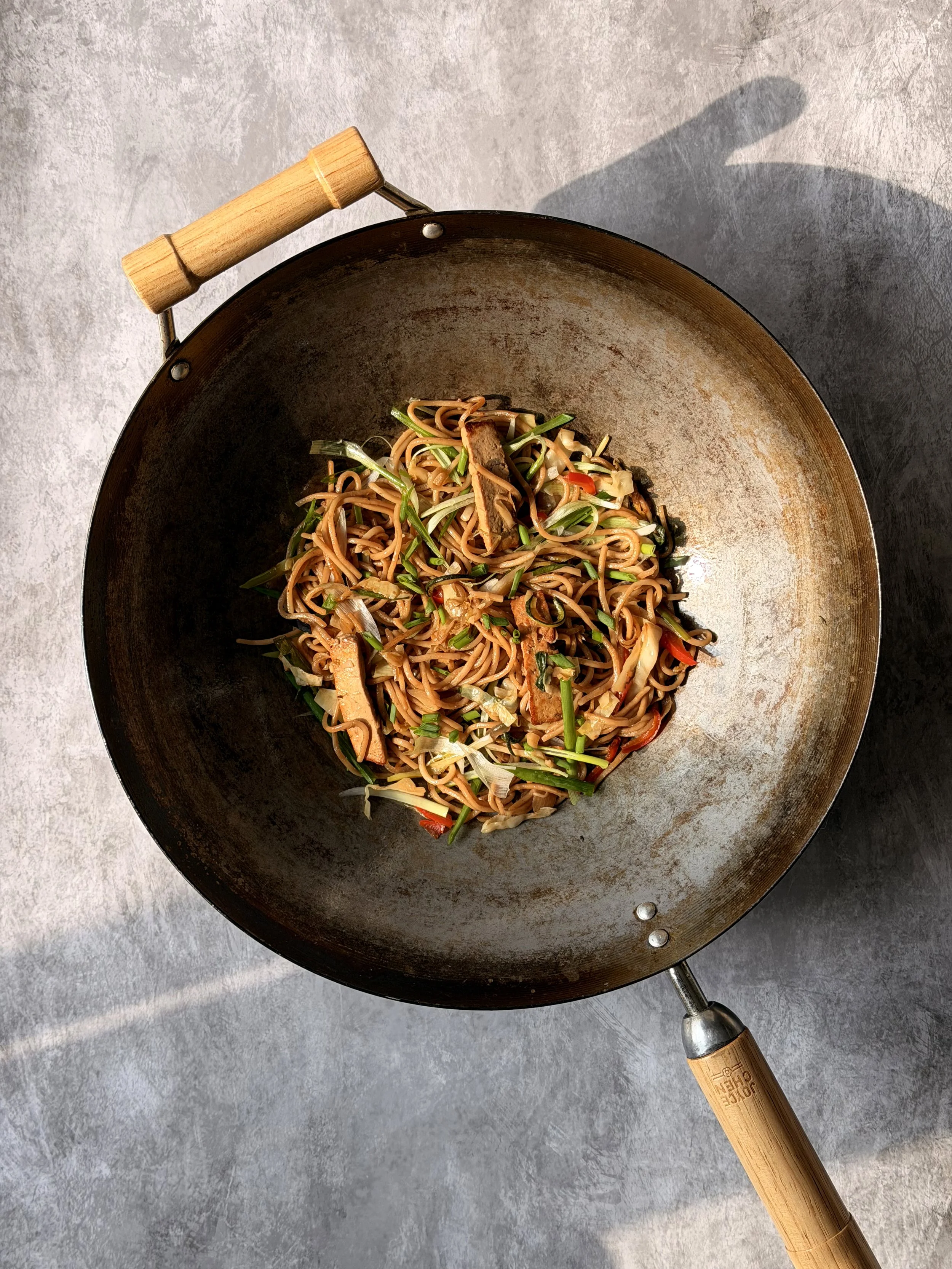
Tofu Lo Mein
Lo mein is one of those dishes where the ingredient list makes it look like there isn’t much going on. Noodles, vegetables, tofu, soy sauce. Fine. Then everything hits a screaming-hot wok and suddenly dinner becomes a small logistical operation.
The trick is having absolutely everything ready before you start. The tofu is pressed and lightly seasoned, the vegetables are cut into similar-sized strips, the noodles are cooked, and the sauce is waiting within grabbing distance. Once the wok starts smoking, there is no leisurely chopping of spring onions.
What makes this version particularly satisfying is the takeout-style finish: the sauce and a splash of stock are allowed to bubble and thicken in the centre of the wok before everything gets tossed through it. That turns a handful of fairly ordinary ingredients into slippery noodles coated in a dark, glossy, savoury sauce, with crisp vegetables and golden-edged tofu mixed throughout.
Twenty minutes of preparation. About six minutes of controlled panic.

Pork Jjajangmyeon
Jjajangmyeon is Chinese by ancestry, Korean by upbringing. It evolved from Chinese zhajiangmian, brought by Chinese migrants to Korea, and eventually became so thoroughly Korean that it now has its own place in the country's comfort-food culture.
The star is chunjang, a nearly black fermented black bean paste with a salty, earthy and slightly bitter personality. Fry it in pork fat, though, and it mellows beautifully. Add pork belly, onions, cabbage, potato and zucchini, then thicken everything into that characteristic dark, glossy sauce.
It even has its own unofficial occasion: Black Day, when single people traditionally eat jjajangmyeon on April 14. Nothing says romantic independence quite like aggressively mixing a bowl of black noodles.

Shamdey
There was something unexpectedly meditative about making Shamdey. The ingredient list is remarkably short, which means instead of rushing through a dozen spices and processes, you get to spend a little time with each one.
Brown the onion properly, then take it out. Let the beef fry. Wait for the ginger and garlic to become aromatic. Give the meat all the time it needs to soften. Add the fennel only with the potatoes so its fragrance stays fresh. Finely chop the fried onion and return it right at the end. Every ingredient has a job, and every step seems to happen only when it needs to.
The result is deceptively simple: beef, potatoes and a light, soupy gravy, but with layers of sweetness, warmth and aroma built from very little.
A quiet recipe with very loud attention to detail.

Chilled Nizakana
Nizakana is a wonderfully gentle Japanese way of cooking fish, simmering it briefly in seasoned dashi rather than frying or grilling it into submission. This version takes things one step further by letting the fish cool and chill in its braising liquid, giving all that soy, sake, mirin and ginger plenty of time to get acquainted. The real geekery, though, is hiding in the dashi, where kombu, shiitake and dried fish bring different umami compounds to the party and make each other taste even better. Light, deeply savoury and particularly lovely on a hot day, it is proof that sometimes the best thing you can do to a good piece of fish is very little.

Sichuan Braised Duck with Potatoes
Duck and potatoes are already a pretty great duo, but Sichuan cooking turns them into something a lot more exciting. The duck starts by rendering in its own fat, then gets a glossy coat of doubanjiang, dried chillies, and warming spices before being gently braised into tenderness. The potatoes join the party later, just long enough to turn soft and creamy while soaking up all that spicy, savoury sauce. Three stages, one very happy pot.

Chicken Datshi
Chicken Datshi is a beautiful example of how little you actually need to make something deeply satisfying. Chicken, a mountain of chillies and soft, tangy churpi come together in a light broth that slowly turns creamy as the cheese melts into it. Traditionally the datshi is made from yak milk. I'm using cow's milk here, but the principle remains the same: heat, acidity and a little patience doing most of the work. It's simple food, but the combination of heat, funk and richness is anything but simple.

Dan Dan Noodles
Dan Dan Noodles are a small bowl with a slightly unreasonable amount going on. There is spicy chilli oil, numbing Sichuan pepper, fermented greens, savoury pork and a rich sesame sauce, all fighting for attention in the best possible way. Traditionally, the noodles arrive beautifully layered and completely unmixed. That part is your problem. Get your chopsticks in there and mix everything until every strand is coated, then try to work out which flavour hit you first.