
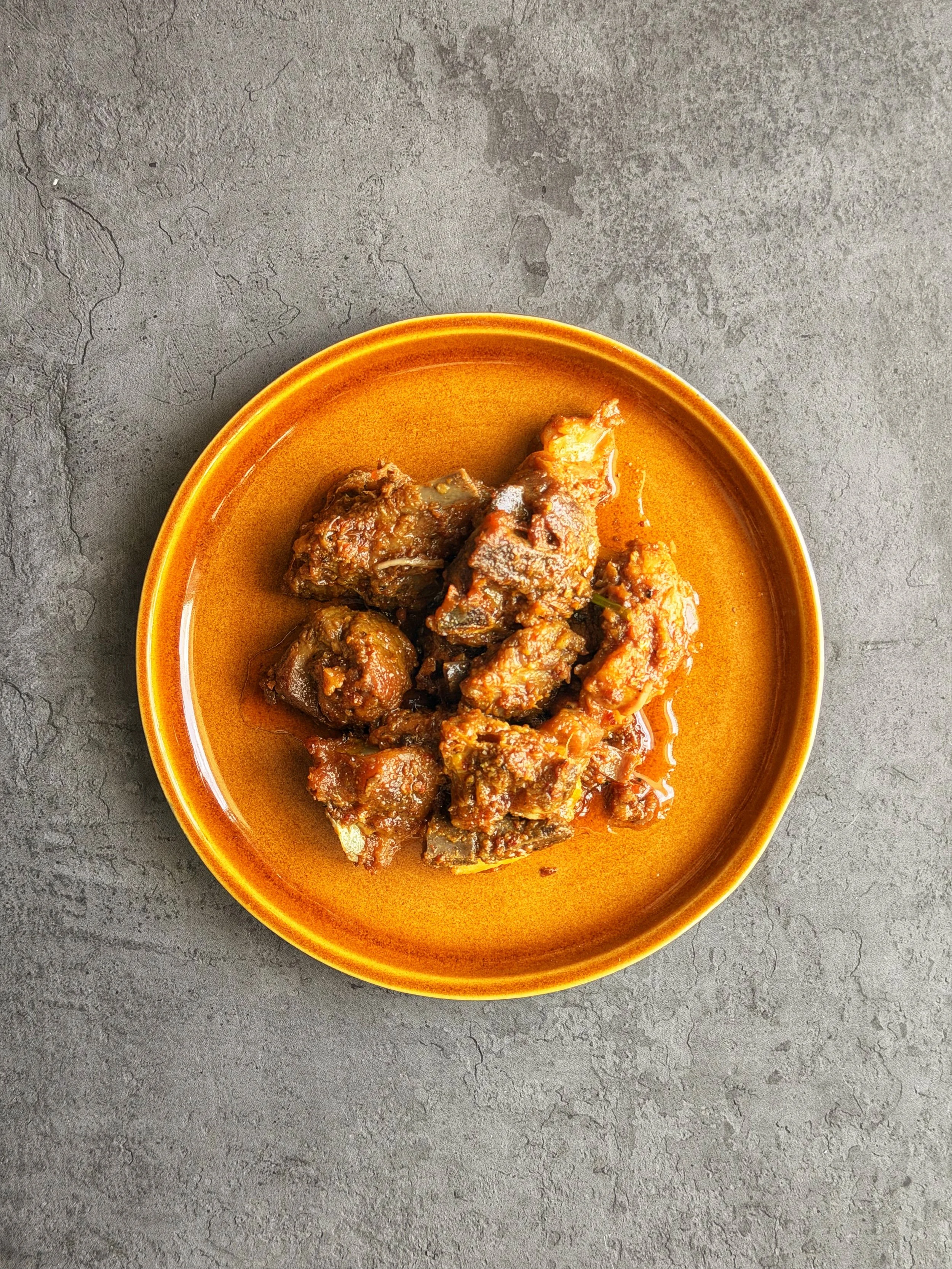
Khasi ko Pakku
Dashain is Nepal's biggest Hindu festival, a celebration of the victory of good over evil, family reunions, blessings and, in many households, a considerable amount of goat meat. Animal sacrifice is part of the festival's traditions for some communities, and the meat is shared among family and relatives, making dishes like Khasi ko Pakku an important part of the festive table.
Pakku is particularly interesting because its cooking method also reflects an older practical concern: making the most of freshly slaughtered meat in the days before refrigeration. Marinated with mustard oil, yogurt and spices, the goat is cooked slowly in its own juices, without adding water, until the moisture reduces and the masala clings tightly to the meat. The resulting relatively dry preparation could keep better than a watery curry, although it still requires proper refrigeration today.
It's a wonderful example of a cooking technique shaped by both celebration and necessity. Richly spiced, deeply savoury and especially good with chiura, rice or a sharp Nepali achar.
A festival dish with a rather practical understanding of what to do when there's an entire goat to get through.
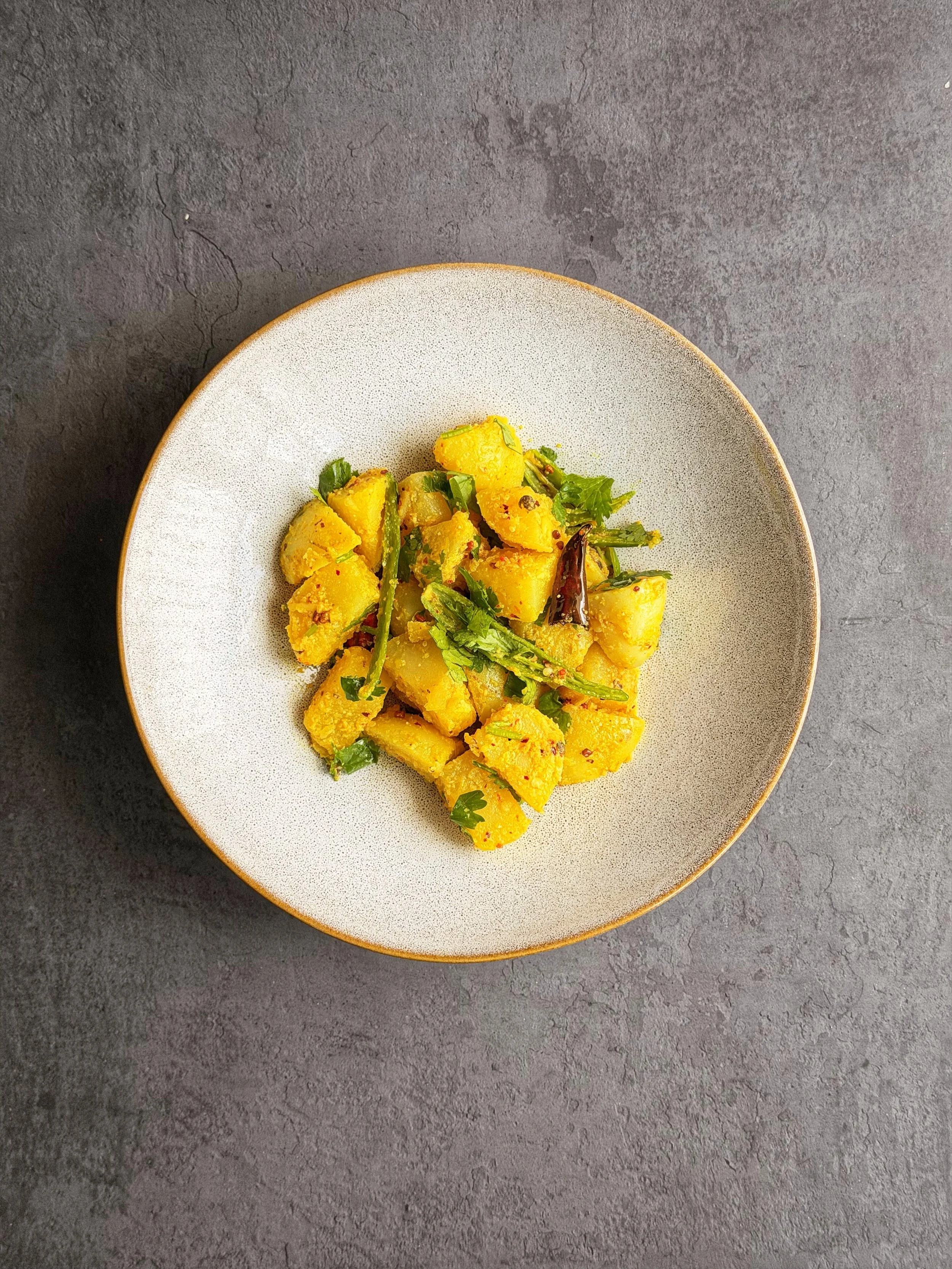
Aloo ko Achar
In Nepal, achar doesn't necessarily mean something pickled and preserved in a jar. Sometimes it's an entire potato dish masquerading as a condiment. Aloo ko Achar is one of those rather generous interpretations.
Boiled potatoes are tossed with roasted sesame seeds, green chillies, ginger, mustard oil and timur. A tempering of fenugreek seeds, taken almost to the edge of bitterness, adds another layer of flavour, while lemon juice keeps everything bright and tangy.
It's a familiar presence at Nepali gatherings and festive meals, including Dashain, where its acidity and nuttiness make a particularly good counterpoint to rich goat preparations like Khasi ko Pakku. It's equally happy alongside dal bhat or a plate of chiura.
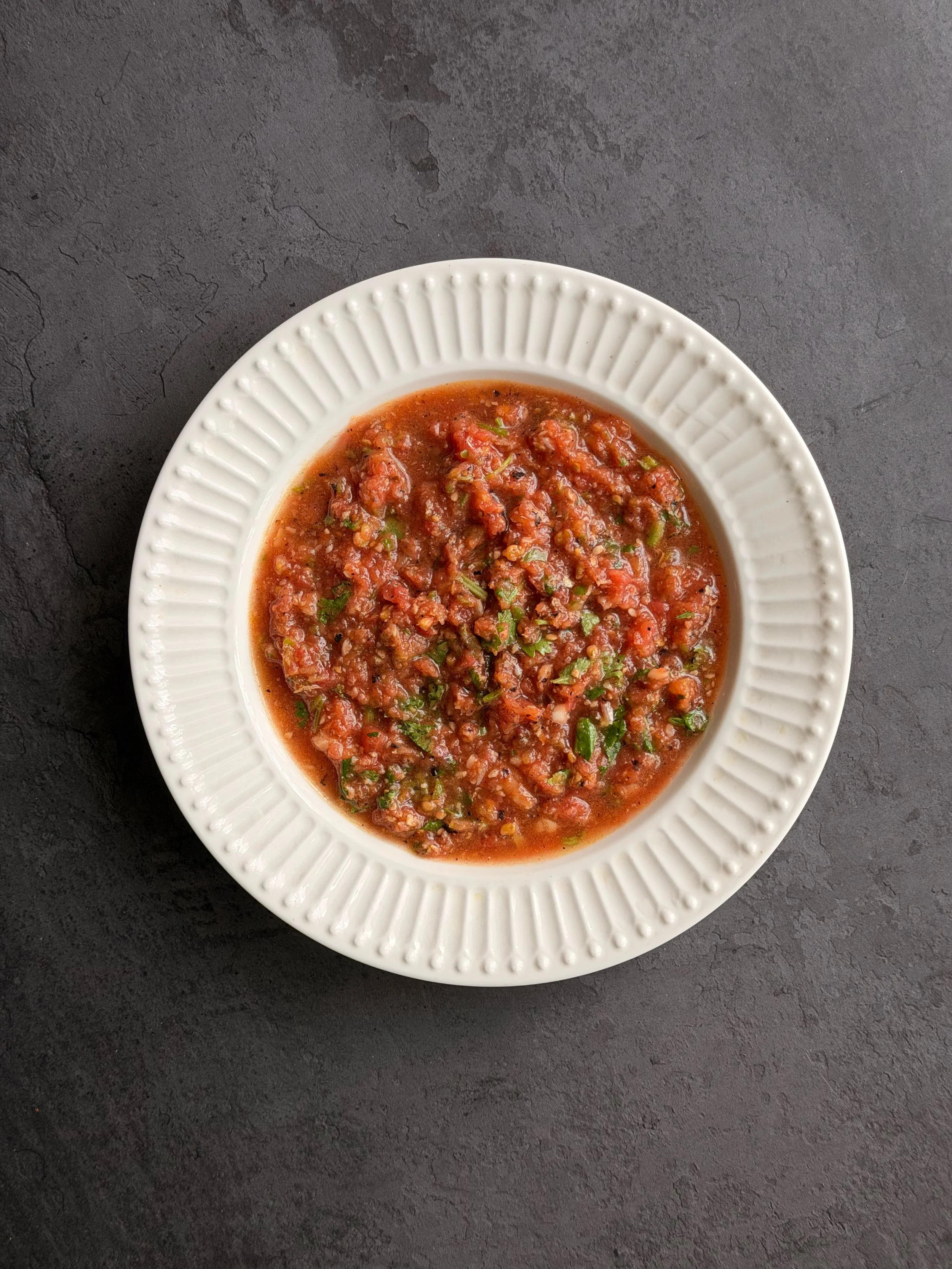
Golbheda ko Achar
In Nepal, achar is a considerably broader category than the pickles we usually associate with the word in India. It can be fresh, roasted, fermented, chunky or almost sauce-like, and often plays a much bigger role in a meal than its modest position on the plate suggests.
Golbheda ko Achar is a particularly good example. Whole tomatoes are roasted over an open flame until their skins blister and their flesh turns soft and smoky. They're then crushed with toasted sesame seeds, garlic, green chillies and timur, Nepal's wonderfully aromatic, tongue-tingling relative of Sichuan pepper. A little mustard oil brings everything together.
The result is smoky, sour, nutty and pleasantly fiery. Traditionally served alongside dal bhat and other Nepali meals, it's also an excellent companion to rich meat dishes like Khasi ko Pakku.
Technically a condiment. Quite capable of becoming the main attraction.