
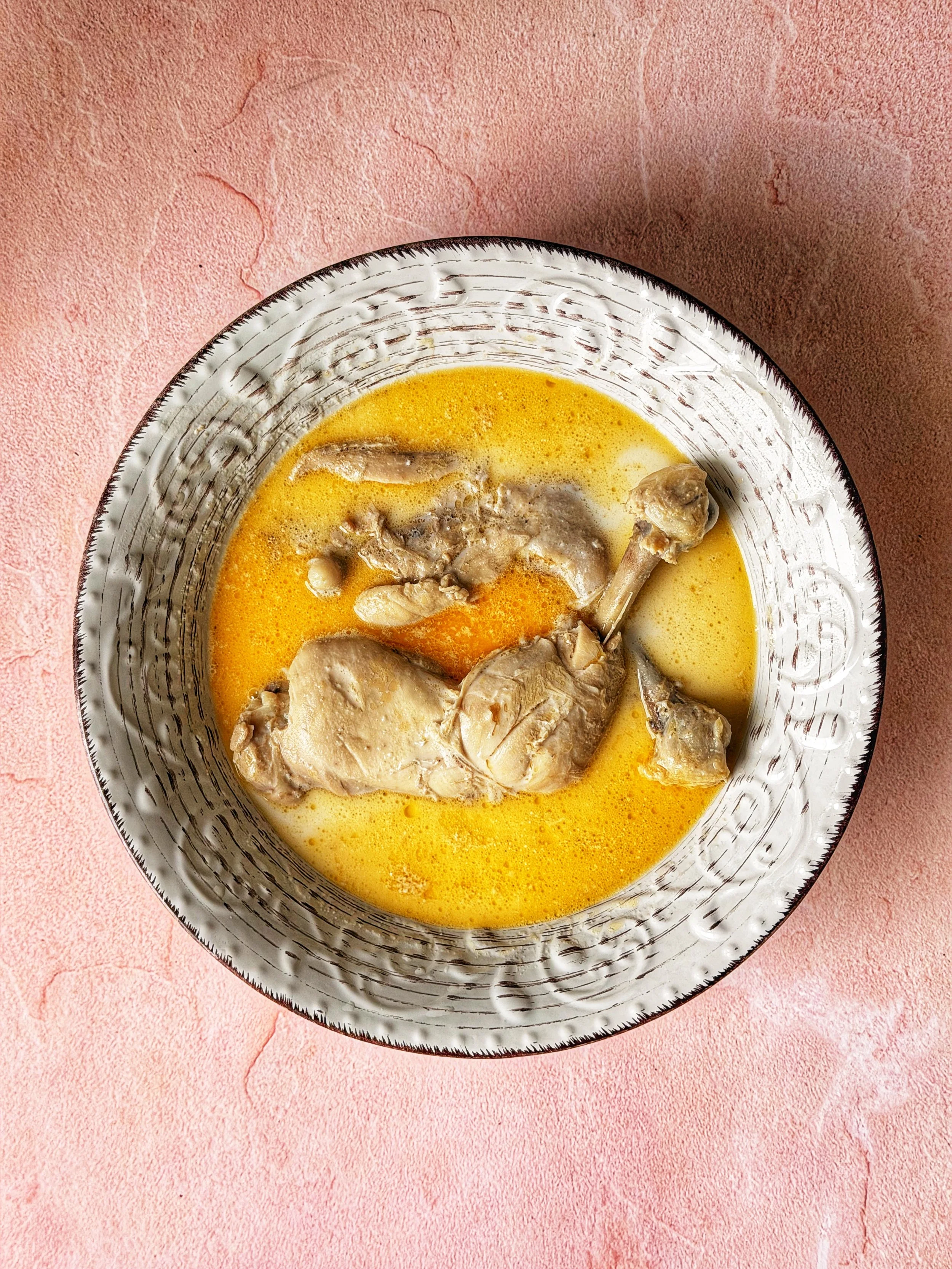
Şipsi
Turkish cuisine has a remarkable talent for turning a handful of familiar ingredients into something unexpectedly interesting, and Şipsi is a particularly good example. Hailing from Sakarya in the Marmara region, this thick, creamy chicken stew takes a rather unusual approach to comfort food.
The chicken is first gently simmered with onion, garlic and coriander, producing a flavourful stock that is then combined with milk and a butter-and-flour roux to create a rich, velvety sauce. But the real curiosity is the finishing touch. Walnuts, garlic, dried chilli and coriander seeds are roasted, pounded together and squeezed through muslin to extract a small quantity of intensely aromatic oil.
It's a wonderfully understated dish, with no elaborate spice blends or aggressive heat. Just tender chicken, a comforting milk-based gravy and a rather clever little trick involving walnuts.
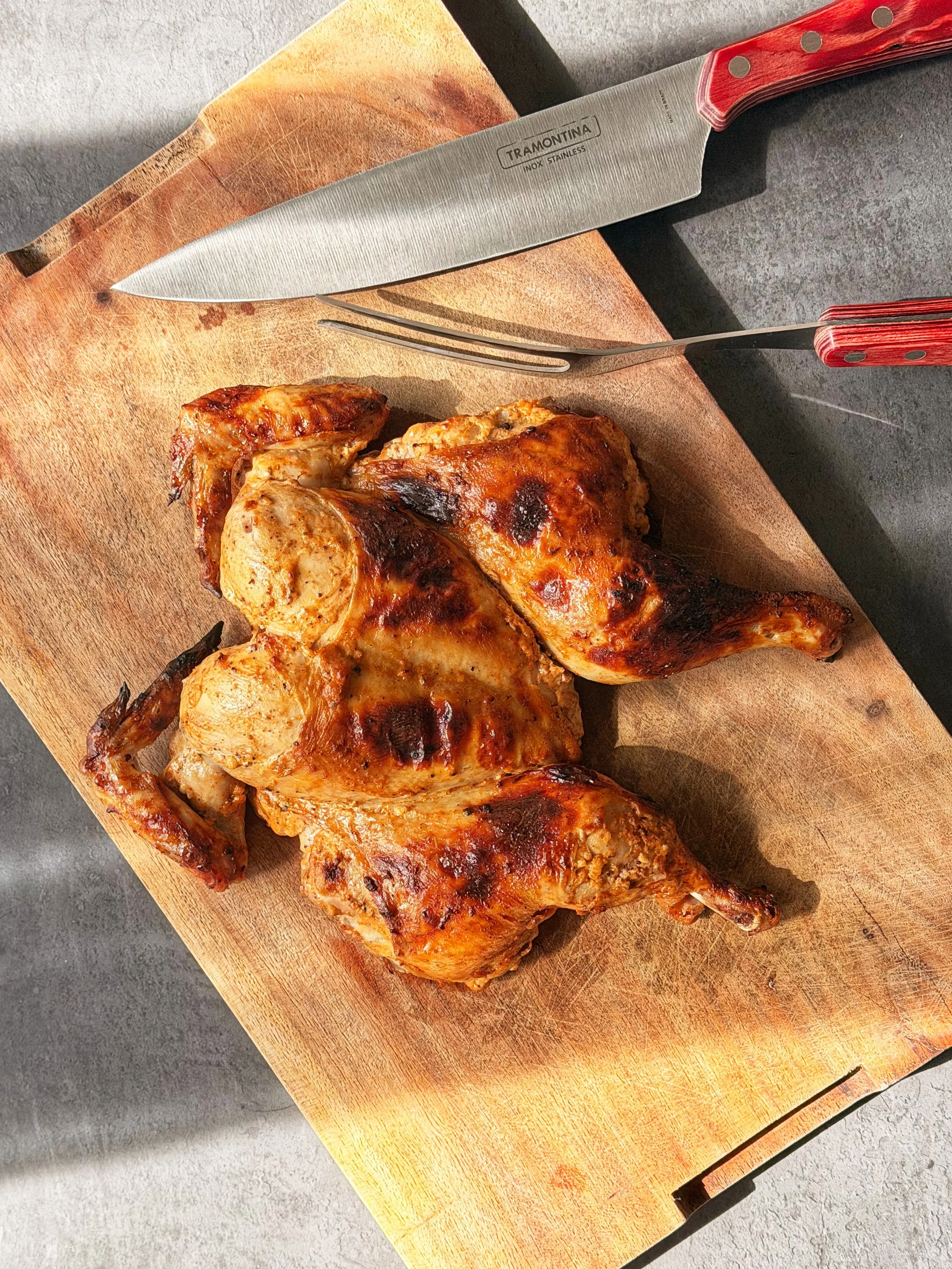
Shish Tawook Spatchcock Chicken
Shish tawook is a Lebanese grilling favourite where garlic, lemon and yogurt do most of the heavy lifting. Traditionally, it involves chunks of chicken marinated in yogurt, garlic, lemon and spices, then threaded onto skewers and grilled over charcoal.
I've taken a few liberties with the format here, replacing the skewers with a whole spatchcocked chicken. Flattening the bird helps it cook more evenly, while an overnight bath in yogurt, garlic, lemon, paprika and a little tomato paste gives it a wonderfully tangy, aromatic character. The yogurt also encourages a beautifully browned crust while helping the meat retain its moisture.
It's not quite traditional shish tawook, but the flavour profile is unmistakable. Serve it with warm pita, pickles and a generous helping of toum, that gloriously aggressive Lebanese garlic sauce. Because apparently six cloves of garlic in the marinade weren't quite enough.

Beyin Salatasi
Brains have a reputation for being heavy, rich and generally the sort of ingredient that requires a certain amount of emotional preparation. Beyin Salatası takes a rather different approach.
The lamb brains are gently poached with vinegar, bay leaf, peppercorns and lemon zest, cooled, sliced and then treated almost like the delicate ingredient they actually are. Lots of parsley and spring onion, sharp lemon and vinegar, raw garlic and olive oil do most of the work around them. The result is creamy and incredibly soft, but also bright, acidic and surprisingly fresh.
It is a classic Turkish meyhane dish, and a useful reminder that offal doesn't always need to arrive fried, heavily spiced or disguised beneath a formidable gravy.
Sometimes a brain just needs a good salad.

Yemeni Mutton Mandi
Mandi is traditionally associated with Yemen’s Hadhramaut region, where meat is cooked slowly with heat and smoke while its juices flavour the rice below. Reproducing that setup in a home kitchen requires a little architectural improvisation.
Here, a whole goat leg sits on a rack above a pot of water scented with black lime, whole spices, chillies, peppers and garlic. Three hours in the oven turns the liquid underneath into a broth enriched by everything dripping down from the goat. Then the rack disappears, rice goes into that broth, the leg comes back on top, and the whole arrangement returns to the oven to finish together.
A final blast of charcoal smoke does its best impression of the traditional cooking environment.
It is essentially a three-hour exercise in making gravity season your rice, followed by the extremely satisfying act of putting an entire goat leg on the table.

Lamb Shanks and Olive Casserole
This Lebanese lamb casserole is basically what happens when a slow braise develops a bit of an attitude. Lamb shanks cook until they are barely hanging onto the bone, while olives, seven-spice and pomegranate molasses push the sauce between savoury, briny and sweet-tart. Then there are anchovies, which sound like they have wandered into the wrong recipe but quietly melt away and leave behind a serious hit of umami. Give it enough time and everything collapses into a rich, deeply flavoured sauce that demands bread, rice, or preferably both. Some dishes are simply not designed for restraint.