
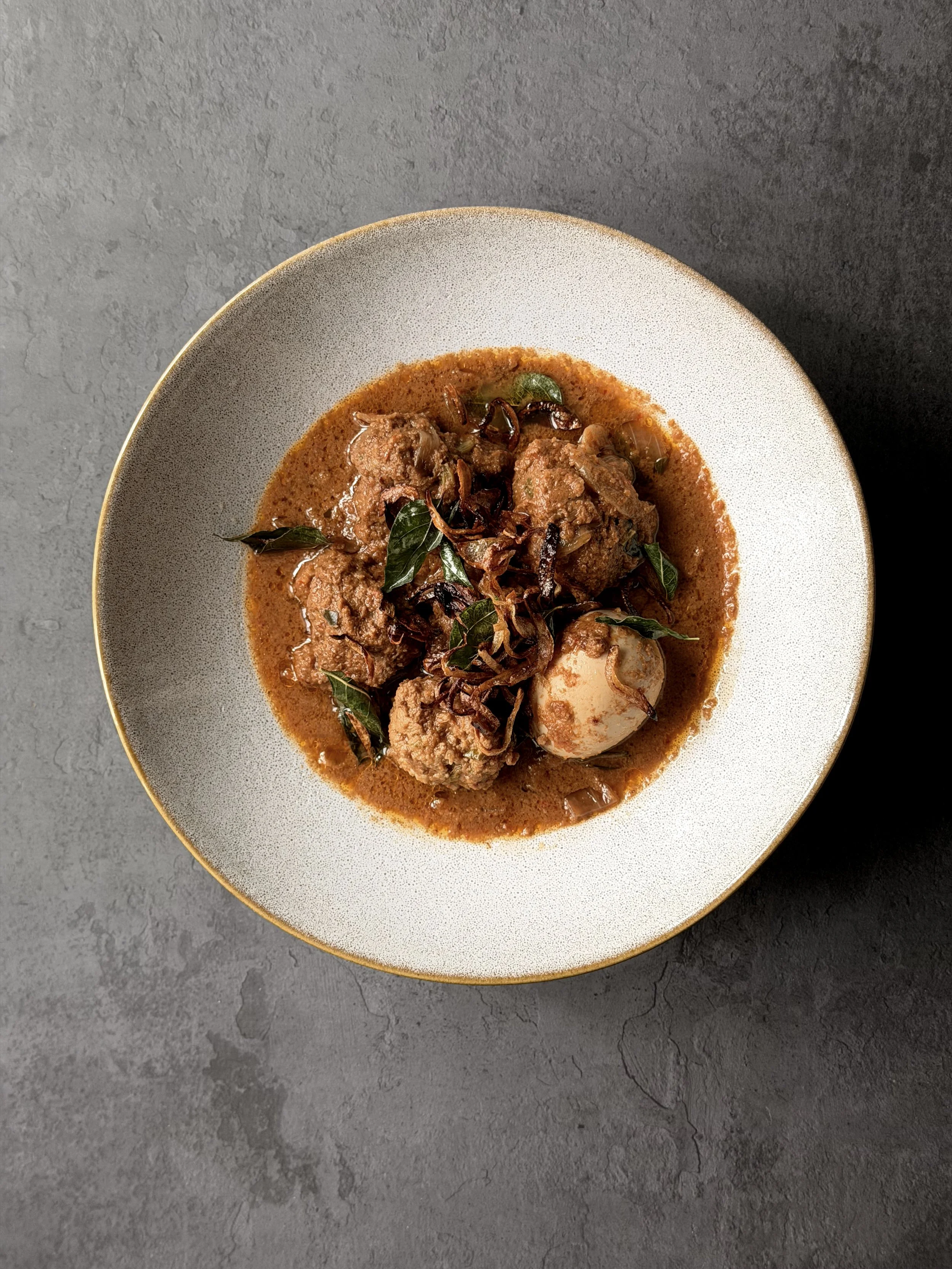
Kutt Kofte
Kutt Kofte begins with half a kilo of horse gram and the slightly absurd instruction that, after soaking it for 12 hours, sprouting it for another day and cooking it until tender, you don't actually need the horse gram.
What you want is the dark cooking liquor left behind. That is reduced into kutt, then built into a tangy gravy with coconut, tomato, tamarind, garlic and chilli. Mutton koftas are simmered directly in it, boiled eggs join the party, and a final tadka of onions and curry leaves fried in ghee goes over everything.
It is a deeply warming Dakhni Muslim preparation associated with Bengaluru, particularly with Ramzan and the cooler months. Rich meatballs, eggs and coconut sit against the earthy horse gram and sharp tamarind, producing something much more complex than its rather humble starting point suggests.
Two days of work to extract the bit most recipes tell you to drain away.
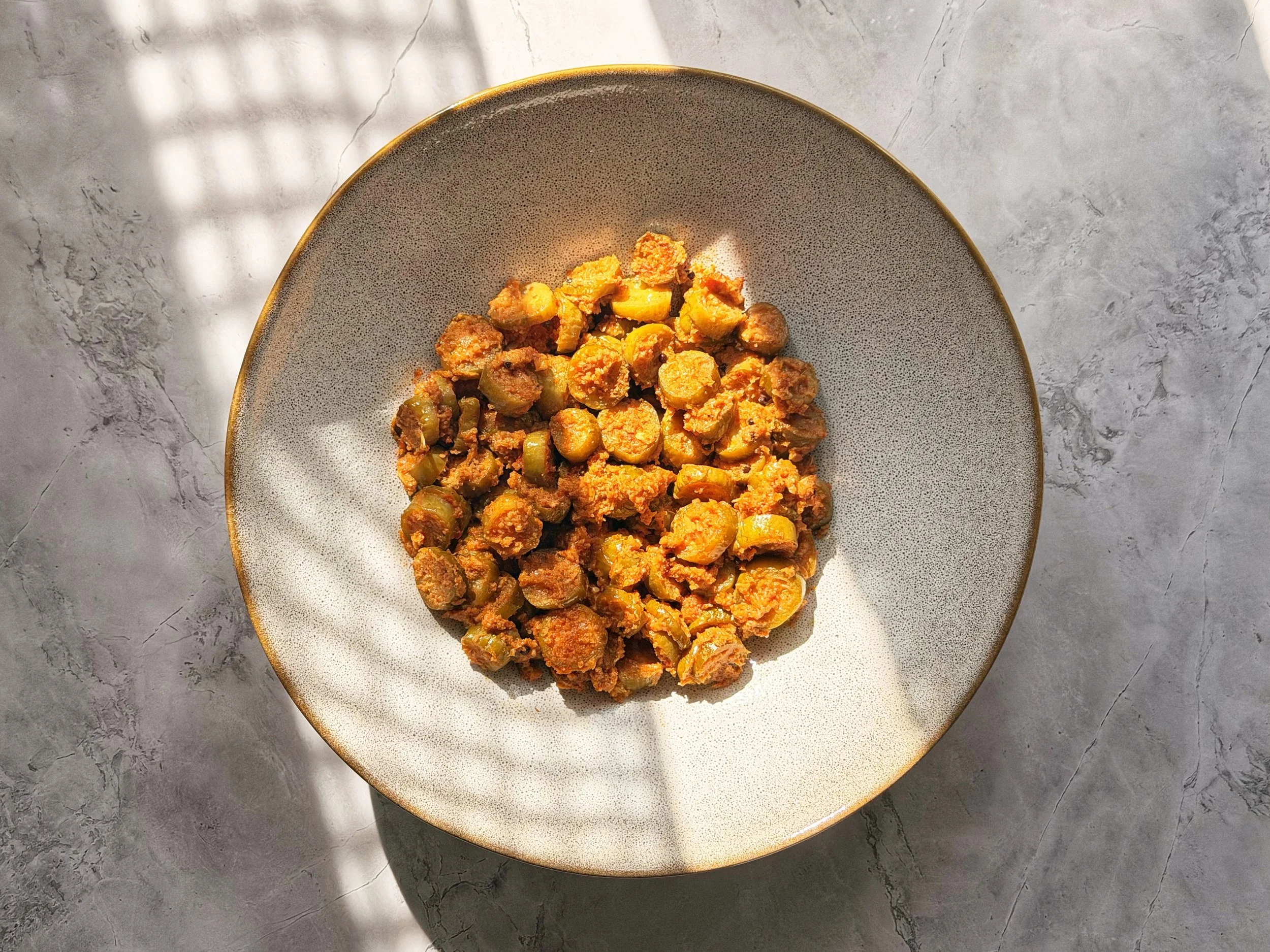
Kovai Bhutti
Ivy gourd is one of those vegetables that seems perfectly happy being unremarkable until a Saraswat kitchen introduces it to enough coconut and chilli.
In this Bhutti, sliced kovai is cooked until tender and then coated in a thick masala of lightly roasted coconut, coriander seeds, two kinds of dried chilli, urad dal, fenugreek, garlic and tamarind. A little jaggery rounds everything out, and the masala is cooked down until almost dry, clinging to every little round of kovai.
It is a lot of flavour engineering for 250 grams of ivy gourd: hot, sour, sweet, nutty and deeply coconutty, with the vegetable still retaining enough bite to hold its own.
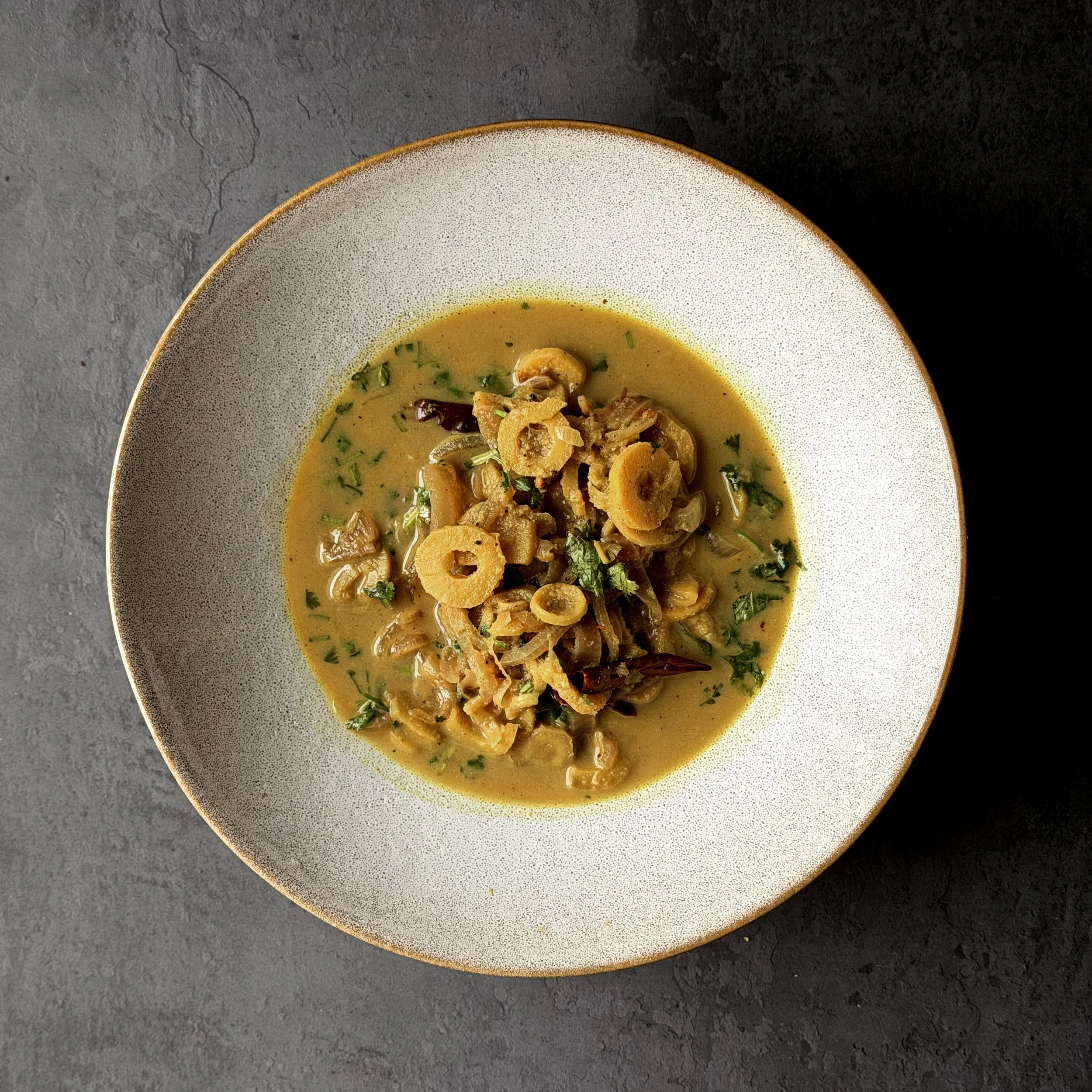
Baimbalé Curry
In Kodagu, the arrival of the monsoon also means bamboo shoots pushing their way out of the ground, and apparently the correct response to this is to dig them up and begin a cooking process that lasts several days.
Fresh baimbalé is peeled down to its tender core, sliced and soaked in water, traditionally developing a distinctive sour, lightly fermented character before it ever reaches the curry pot. By the time it does, the rest is almost suspiciously easy. Coconut, onions, curry leaves and spices roasted very dark form the gravy, with jaggery and Kodagu’s formidable kachampuli sorting out the sweet-sour end of things.
I bought 1.5 kg of bamboo shoot, peeled away two-thirds of it, soaked the remaining 500 grams for two days, boiled it for another half hour, and then finally made lunch.
Monsoon ingredients, it seems, come with their own administrative procedures.
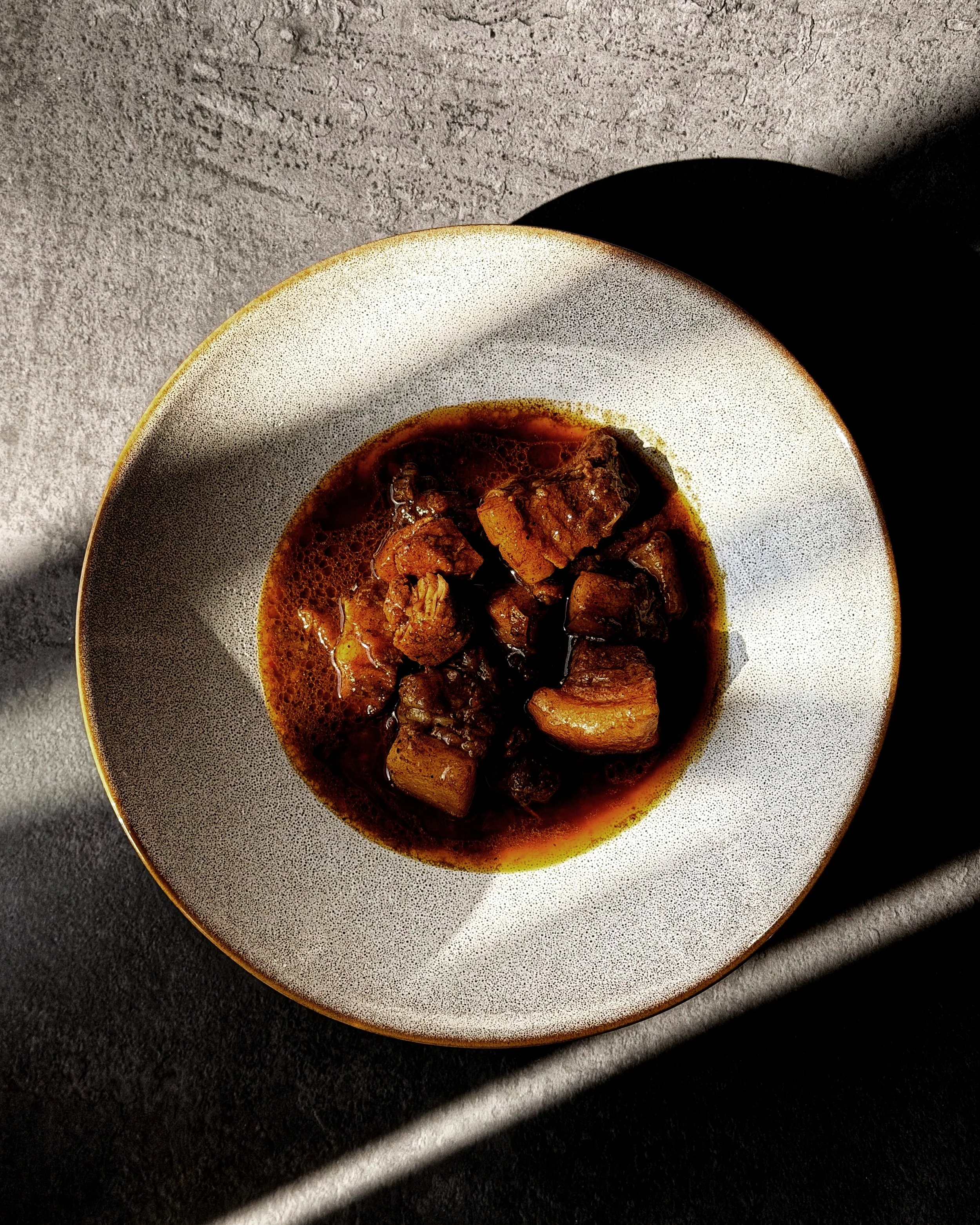
Pandi Curry
Pandi Curry is what happens when pork meets a spice box with very little interest in subtlety. Fatty pork is slowly cooked with spices roasted considerably darker than your instincts might recommend, then finished with kachampuli, Kodagu’s wonderfully intense sour fruit vinegar.
This version is a little mellower and more gravy-forward than some, but there are two things worth taking seriously. Get the spices properly dark without burning them, and approach the kachampuli with caution. Especially if yours came from someone’s home in Kodagu, where apparently measuring acidity in sensible units is optional. Start with a little, taste, then add more.
And make it a day ahead. Somehow pork, roasted spices and kachampuli spend the night discussing their differences and wake up considerably better friends.
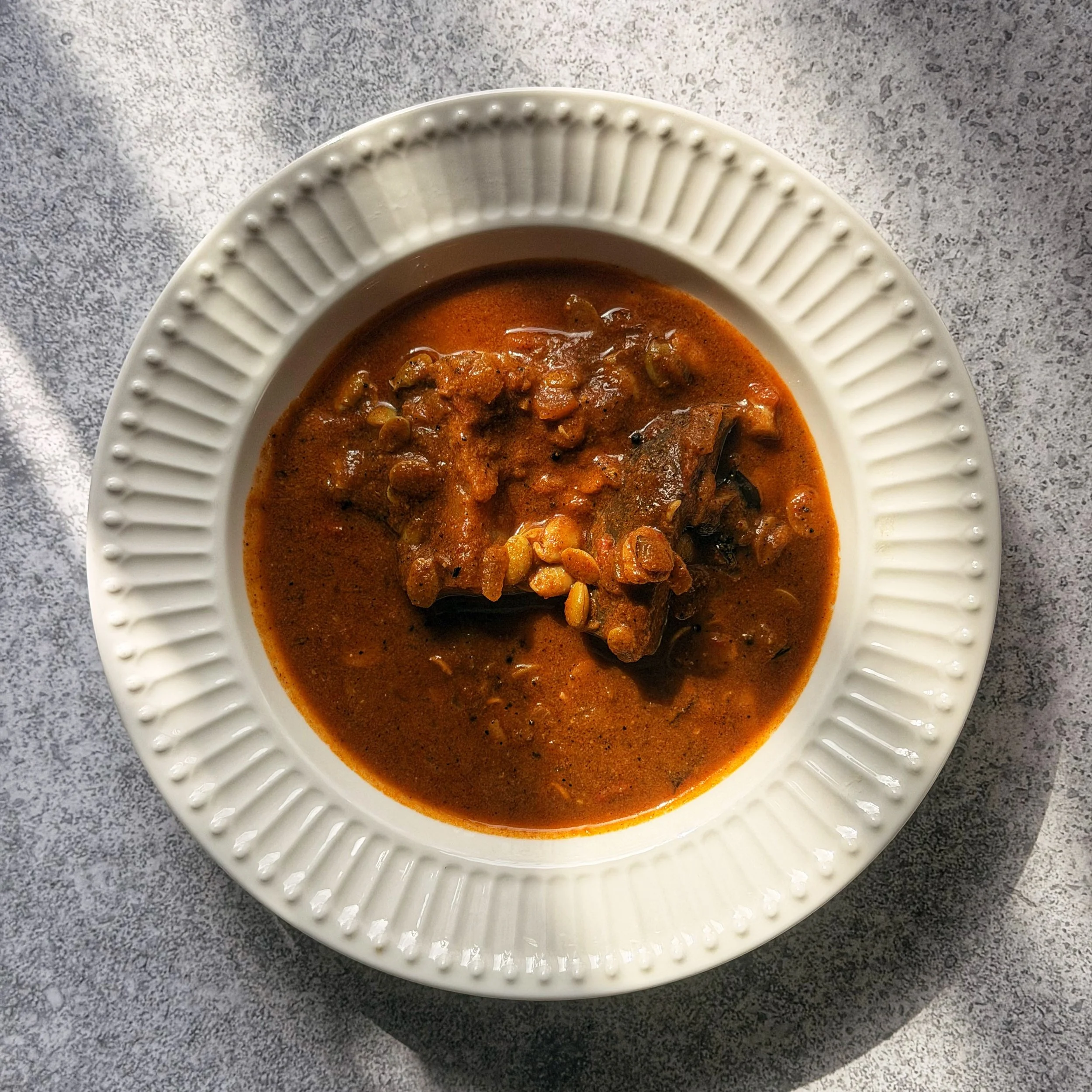
Hitikida Avarekalu Badanekayi Saaru
Avarekalu season in Karnataka apparently comes with homework. First shell the beans. Then soak them. Then sit there squeezing every single bean out of its skin because, naturally, somebody discovered they taste better that way.
These hitikida avarekalu are cooked with brinjal in a roasted coconut masala with Byadgi chillies and marathi moggu, then finished with tamarind and a little jaggery. The peeled beans turn wonderfully creamy, the broken ones melt into the gravy, and the brinjal soaks up everything it possibly can.
A slightly unreasonable amount of effort for a bowl of beans. Also completely worth it.
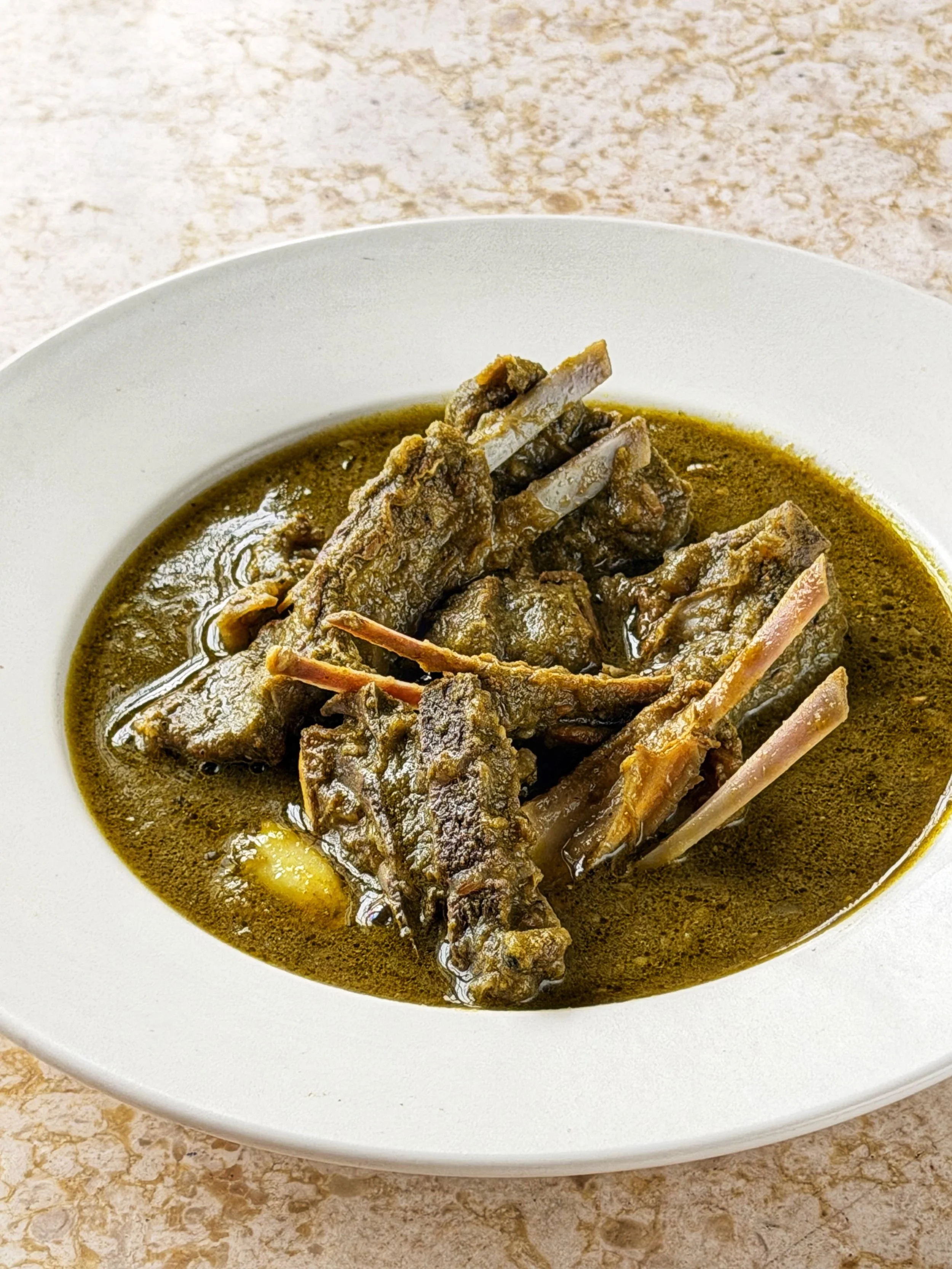
Kanakapura-Style Green Mutton Chops
This is the kind of mutton curry that doesn't believe in being polite. The green masala brings coriander, mint, green chillies and curry leaves, while black pepper adds a second, darker kind of heat. There is just enough coconut to give the gravy some body without getting in the way. Then comes the final tempering, where garlic, pepper and curry leaves hit hot oil and make the whole kitchen smell like trouble. Best eaten with ragi mudde, preferably with your hands and absolutely no apologies.