
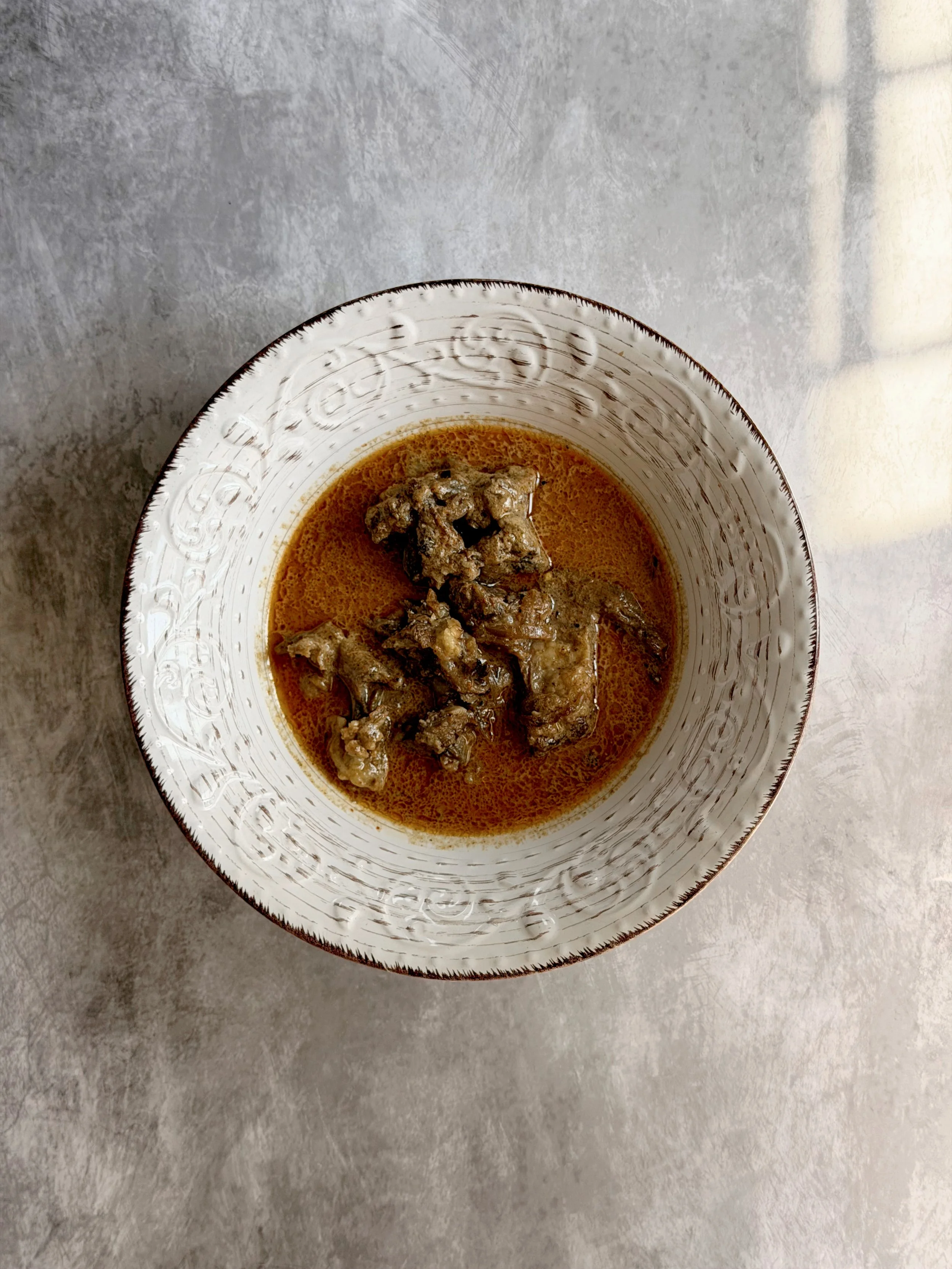
East Indian Beef Curry
I wanted to see what would happen if an East Indian curry met a piece of beef that had absolutely nowhere to be.
A whole slab of short ribs gets the long treatment with homemade bottle masala, red wine and beef stock, before coconut milk joins the party towards the end. The idea was to let the beef get properly tender without cooking the coconut into oblivion.
Three-and-a-half hours later, the ribs were barely holding onto the bone, the gravy had picked up all that beefy, gelatinous goodness, and the bottle masala was doing exactly what bottle masala does best.
Not exactly a weeknight curry. Very much worth cancelling plans for.
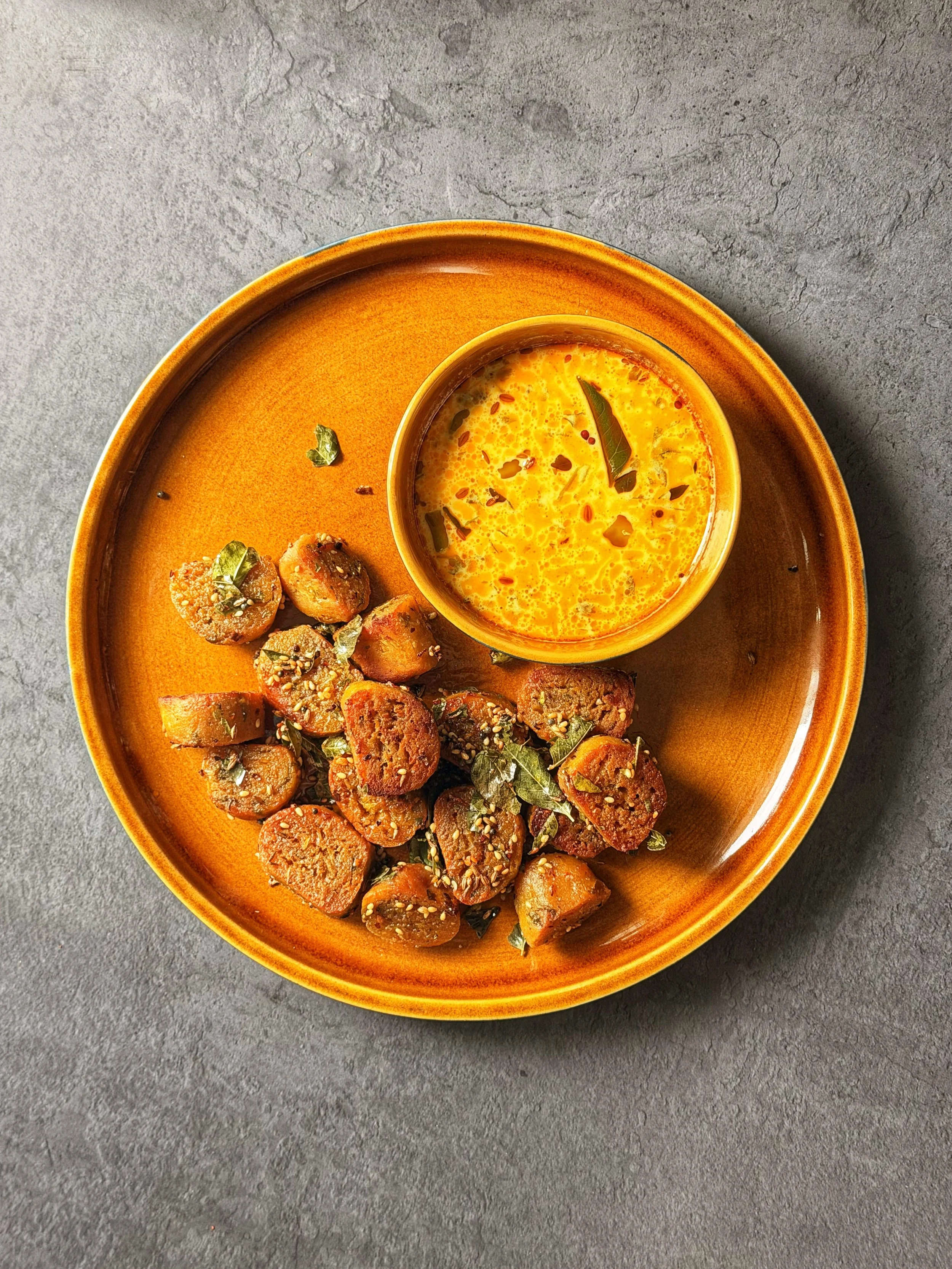
Kadhi Muthiya
Kadhi Muthiya feels a little like someone looked at a perfectly respectable bowl of kadhi and decided it needed considerably more architecture.
The muthiya start with cooked rice and grated lauki, bound with besan and wheat flour, seasoned, shaped into little logs and steamed. But apparently being cooked once isn't enough. They are cooled, sliced, then fried with sesame, green chillies and curry leaves until the edges turn golden and slightly crisp.
Alongside is a thin, tangy curd and besan kadhi, slowly cooked and finished with a hot ghee tadka. Put the two together and you get that particularly satisfying combination of soft centres, toasted edges and sharp, soothing kadhi.
Steamed, sliced, fried, drowned. A perfectly reasonable amount of effort for leftover rice and a bottle gourd.
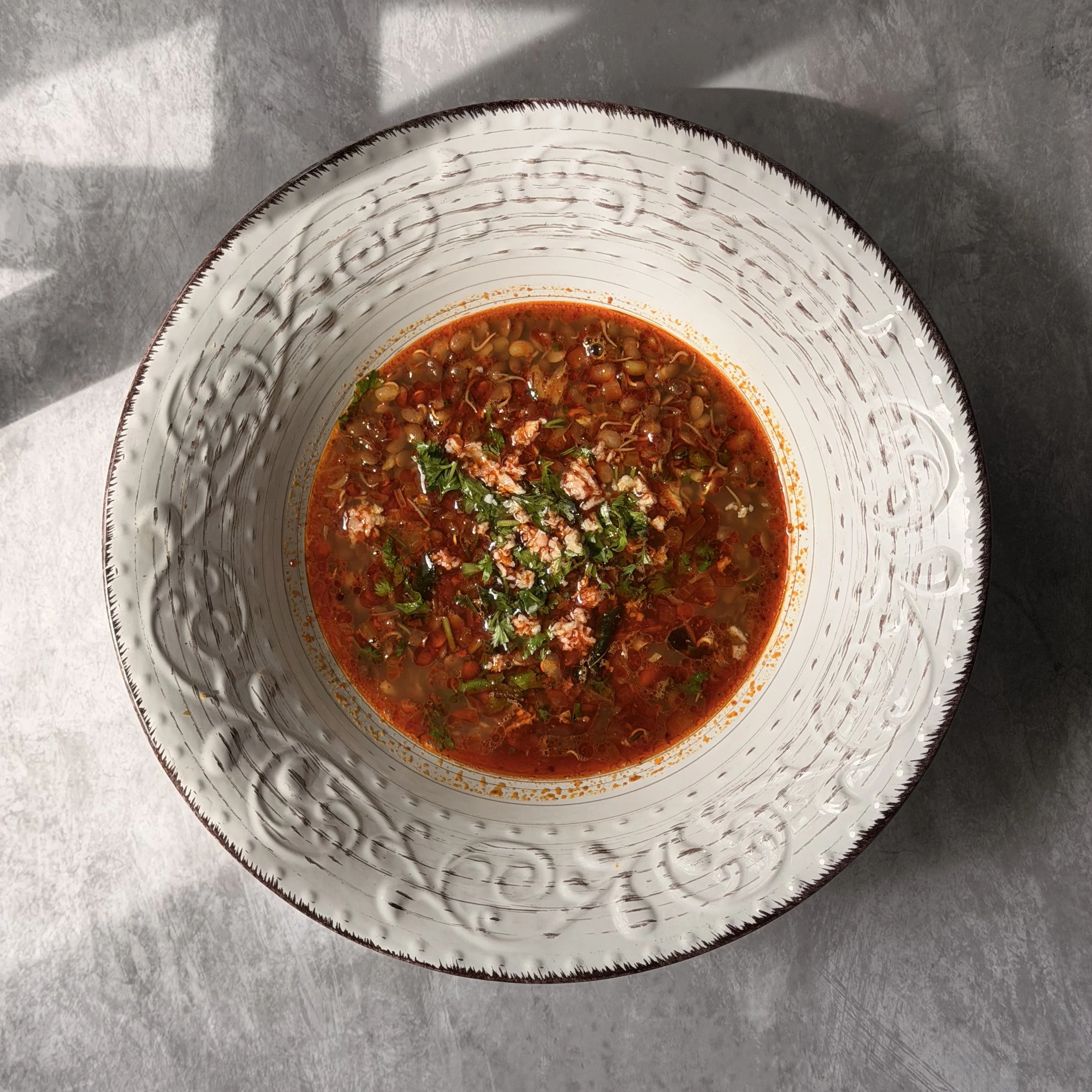
Kulith Amti
Horse gram has a flavour that refuses to disappear politely into a curry. It is earthy, slightly nutty and distinctly itself, so this amti is built around that character rather than trying to cover it up.
The kulith is soaked, sprouted and cooked first, with its cooking liquor saved for the gravy. Kanda lasun masala brings roasted chilli, garlic and coconut depth, while tamarind and jaggery sit quietly in the background doing the Maharashtrian sweet-sour balancing act. A handful of the horse gram gets mashed back into the pot for body, and goda masala and roasted cumin go in towards the end so their aroma survives the journey.
It is dark, hearty and particularly good with rice and a little ghee.
Turns out horse gram has quite a lot to say. Best not interrupt it.
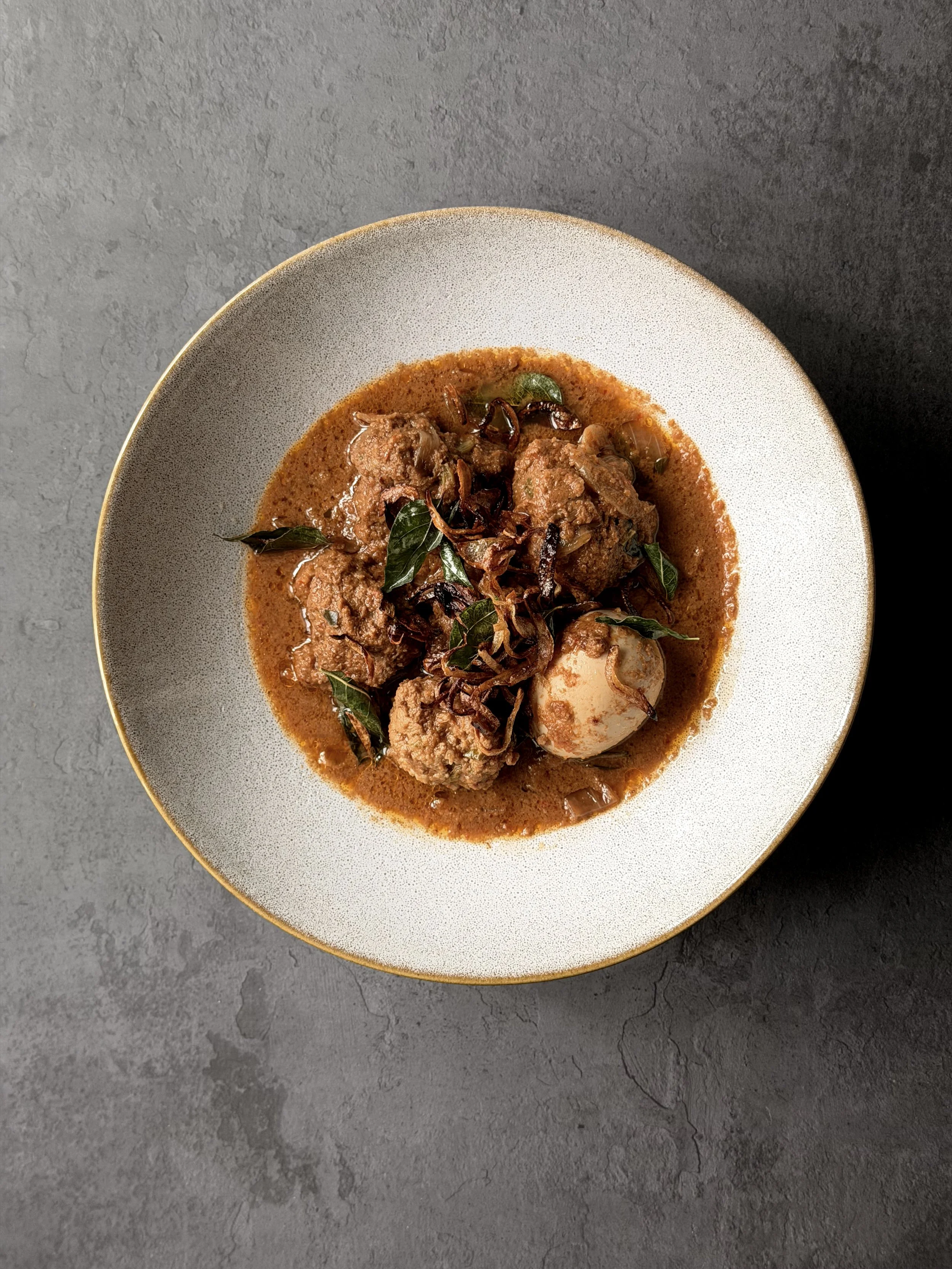
Kutt Kofte
Kutt Kofte begins with half a kilo of horse gram and the slightly absurd instruction that, after soaking it for 12 hours, sprouting it for another day and cooking it until tender, you don't actually need the horse gram.
What you want is the dark cooking liquor left behind. That is reduced into kutt, then built into a tangy gravy with coconut, tomato, tamarind, garlic and chilli. Mutton koftas are simmered directly in it, boiled eggs join the party, and a final tadka of onions and curry leaves fried in ghee goes over everything.
It is a deeply warming Dakhni Muslim preparation associated with Bengaluru, particularly with Ramzan and the cooler months. Rich meatballs, eggs and coconut sit against the earthy horse gram and sharp tamarind, producing something much more complex than its rather humble starting point suggests.
Two days of work to extract the bit most recipes tell you to drain away.
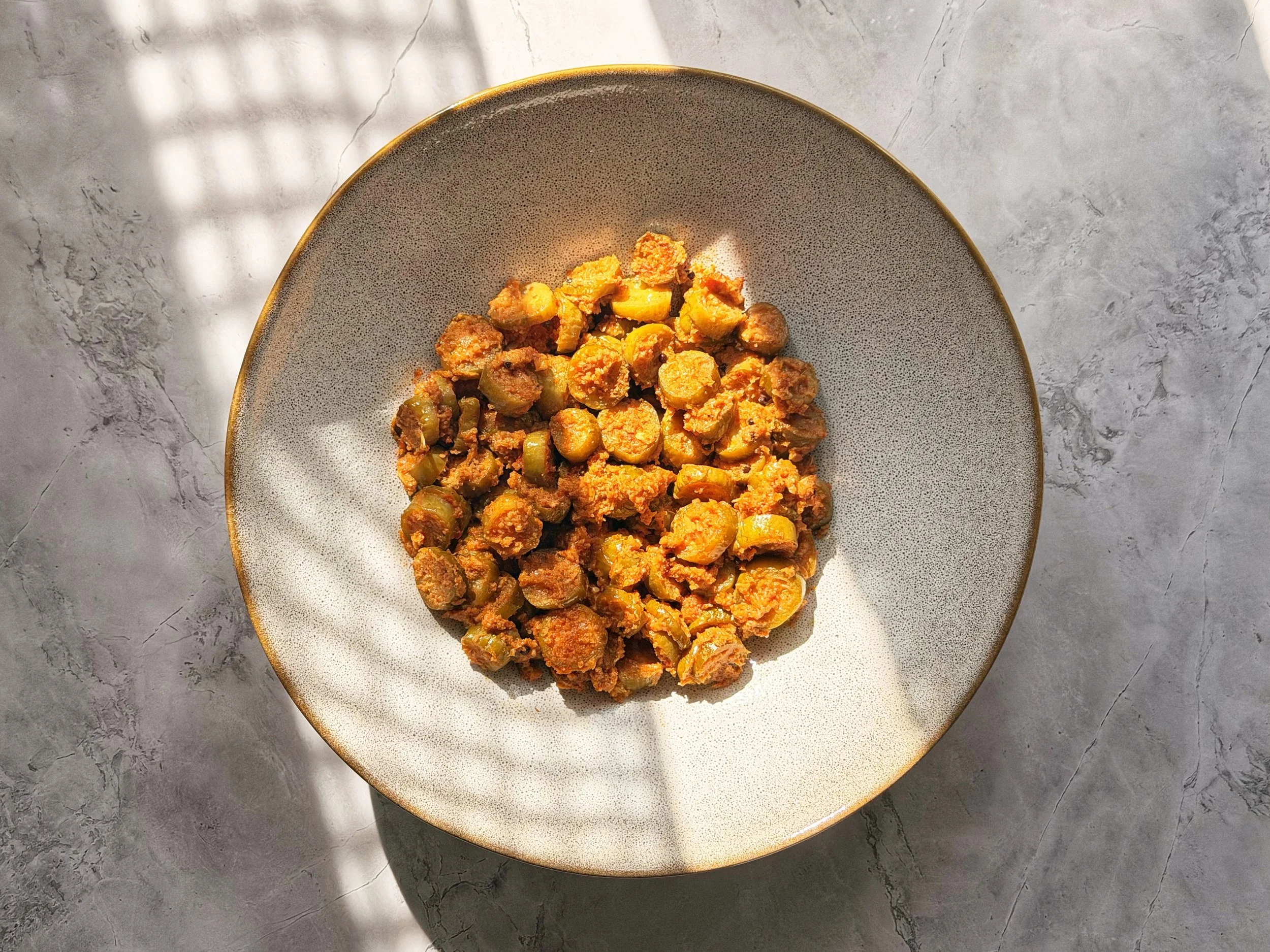
Kovai Bhutti
Ivy gourd is one of those vegetables that seems perfectly happy being unremarkable until a Saraswat kitchen introduces it to enough coconut and chilli.
In this Bhutti, sliced kovai is cooked until tender and then coated in a thick masala of lightly roasted coconut, coriander seeds, two kinds of dried chilli, urad dal, fenugreek, garlic and tamarind. A little jaggery rounds everything out, and the masala is cooked down until almost dry, clinging to every little round of kovai.
It is a lot of flavour engineering for 250 grams of ivy gourd: hot, sour, sweet, nutty and deeply coconutty, with the vegetable still retaining enough bite to hold its own.
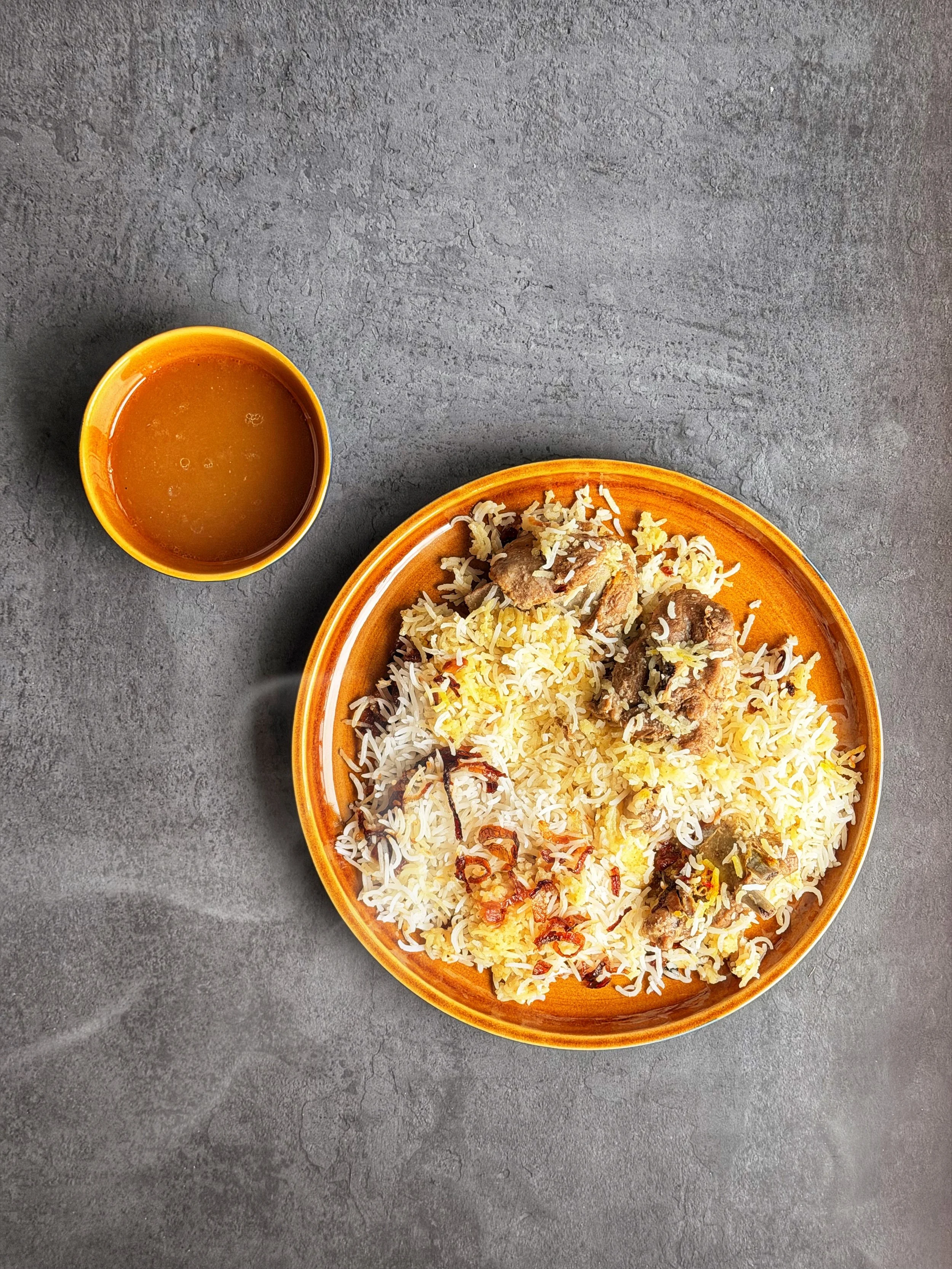
Awadhi Mutton Pulao
This is the sort of pulao that makes the word pulao sound far too casual.
The mutton is first cooked into a proper yakhni with curd and a coarse spice mixture, then removed so the broth can be strained completely clean. That yakhni is rebuilt with milk, cream, saffron, rose and kewra, while a second, much finer masala brings in fennel, mace, kebab chini and pipli. The meat goes back, partially cooked rice is layered over it with birista, and the whole thing disappears under a tightly sealed lid for dum.
It sounds elaborate, and it is. But every bit of fuss has a purpose: deeply flavoured meat, perfumed yakhni, long separate grains of rice and absolutely no whole spice ambush waiting halfway through dinner.
A pulao with the administrative complexity of a small government department.
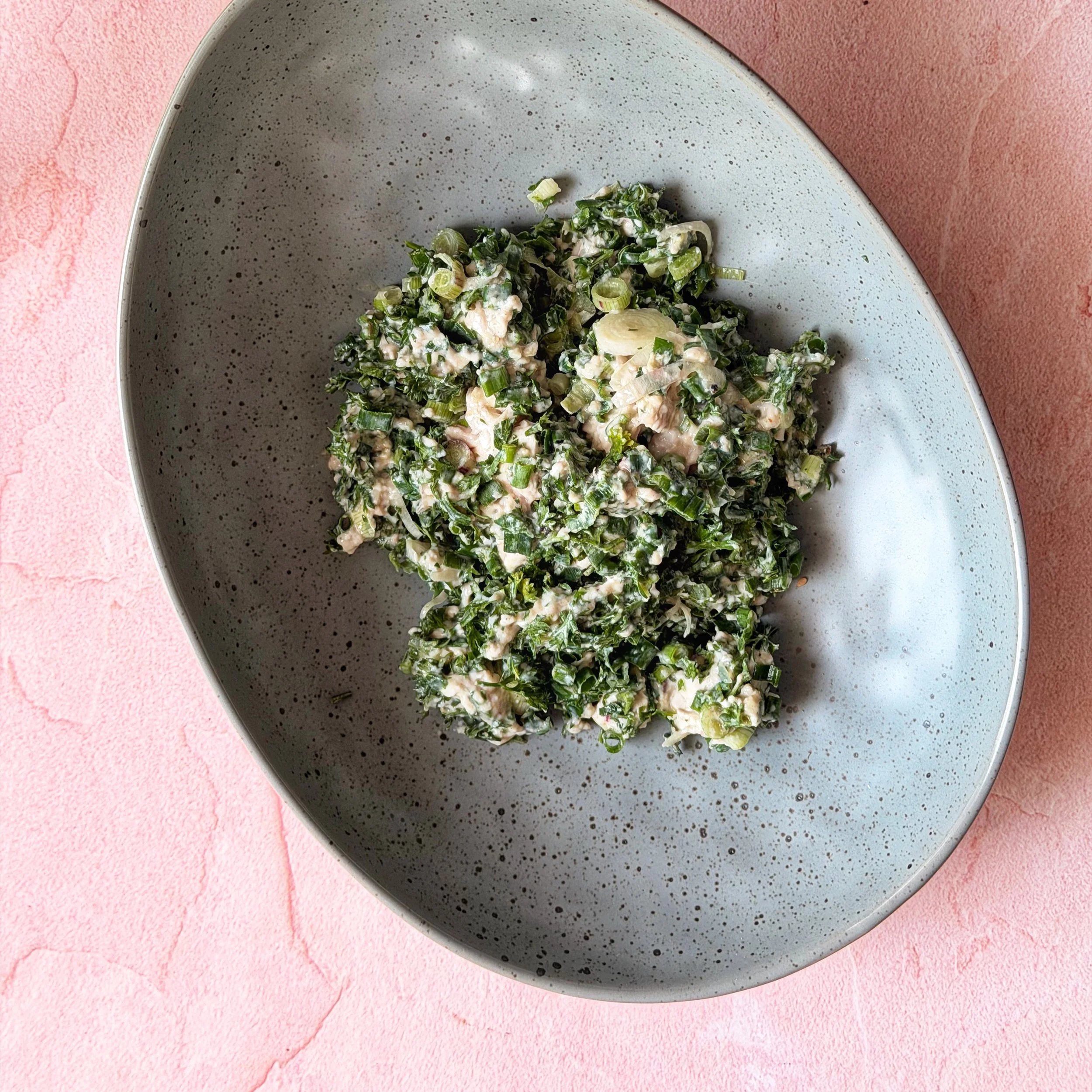
Beyin Salatasi
Brains have a reputation for being heavy, rich and generally the sort of ingredient that requires a certain amount of emotional preparation. Beyin Salatası takes a rather different approach.
The lamb brains are gently poached with vinegar, bay leaf, peppercorns and lemon zest, cooled, sliced and then treated almost like the delicate ingredient they actually are. Lots of parsley and spring onion, sharp lemon and vinegar, raw garlic and olive oil do most of the work around them. The result is creamy and incredibly soft, but also bright, acidic and surprisingly fresh.
It is a classic Turkish meyhane dish, and a useful reminder that offal doesn't always need to arrive fried, heavily spiced or disguised beneath a formidable gravy.
Sometimes a brain just needs a good salad.
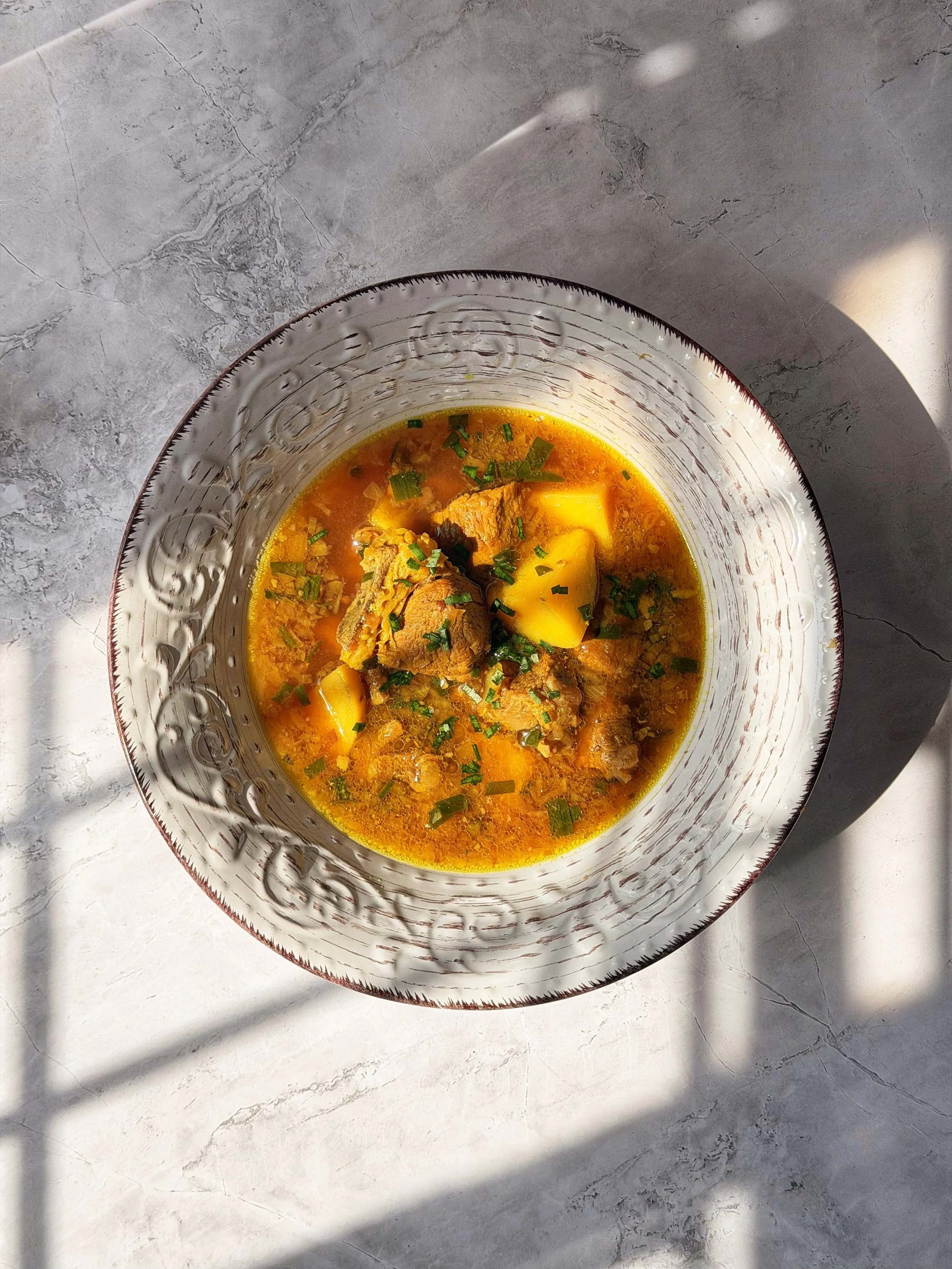
Shamdey
There was something unexpectedly meditative about making Shamdey. The ingredient list is remarkably short, which means instead of rushing through a dozen spices and processes, you get to spend a little time with each one.
Brown the onion properly, then take it out. Let the beef fry. Wait for the ginger and garlic to become aromatic. Give the meat all the time it needs to soften. Add the fennel only with the potatoes so its fragrance stays fresh. Finely chop the fried onion and return it right at the end. Every ingredient has a job, and every step seems to happen only when it needs to.
The result is deceptively simple: beef, potatoes and a light, soupy gravy, but with layers of sweetness, warmth and aroma built from very little.
A quiet recipe with very loud attention to detail.
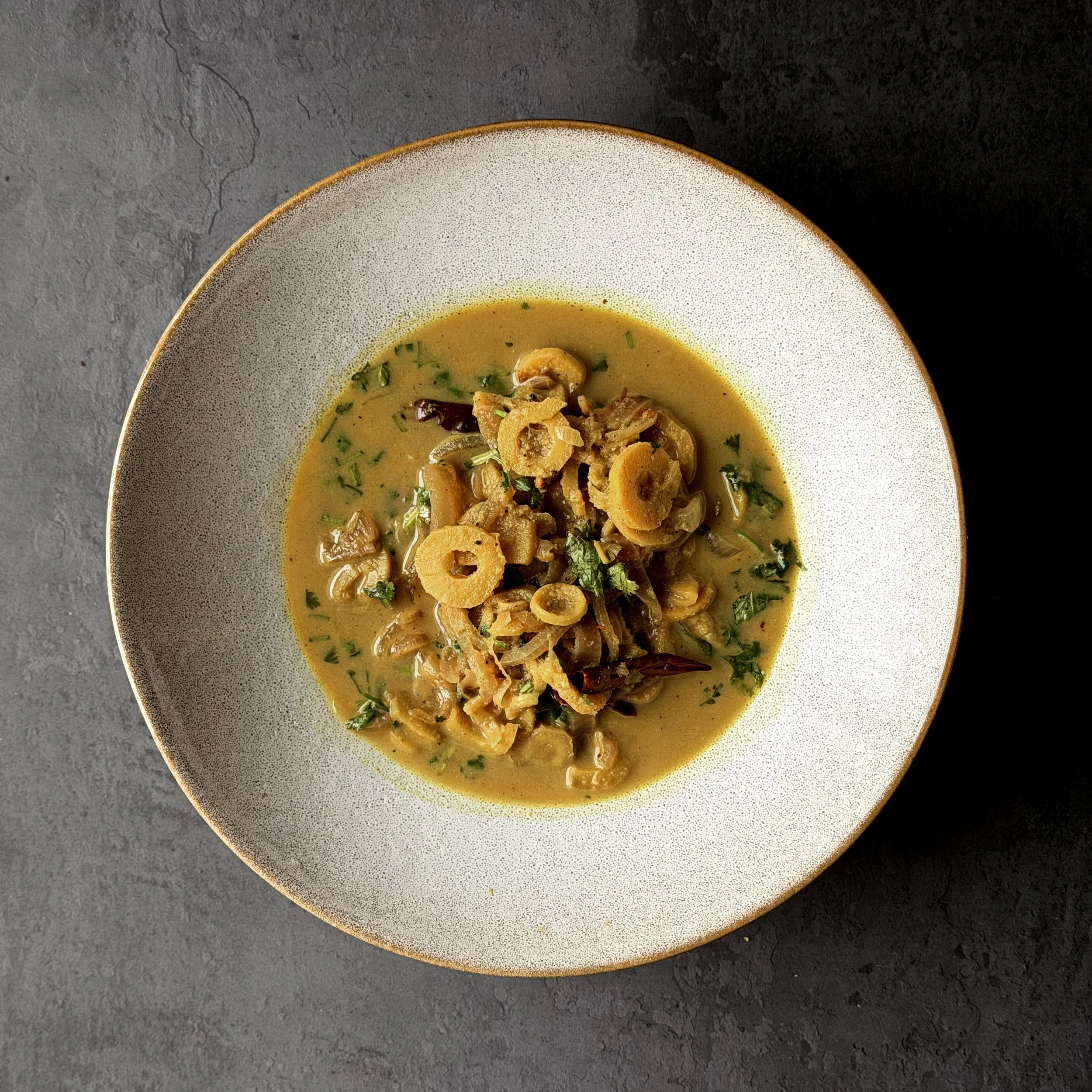
Baimbalé Curry
In Kodagu, the arrival of the monsoon also means bamboo shoots pushing their way out of the ground, and apparently the correct response to this is to dig them up and begin a cooking process that lasts several days.
Fresh baimbalé is peeled down to its tender core, sliced and soaked in water, traditionally developing a distinctive sour, lightly fermented character before it ever reaches the curry pot. By the time it does, the rest is almost suspiciously easy. Coconut, onions, curry leaves and spices roasted very dark form the gravy, with jaggery and Kodagu’s formidable kachampuli sorting out the sweet-sour end of things.
I bought 1.5 kg of bamboo shoot, peeled away two-thirds of it, soaked the remaining 500 grams for two days, boiled it for another half hour, and then finally made lunch.
Monsoon ingredients, it seems, come with their own administrative procedures.
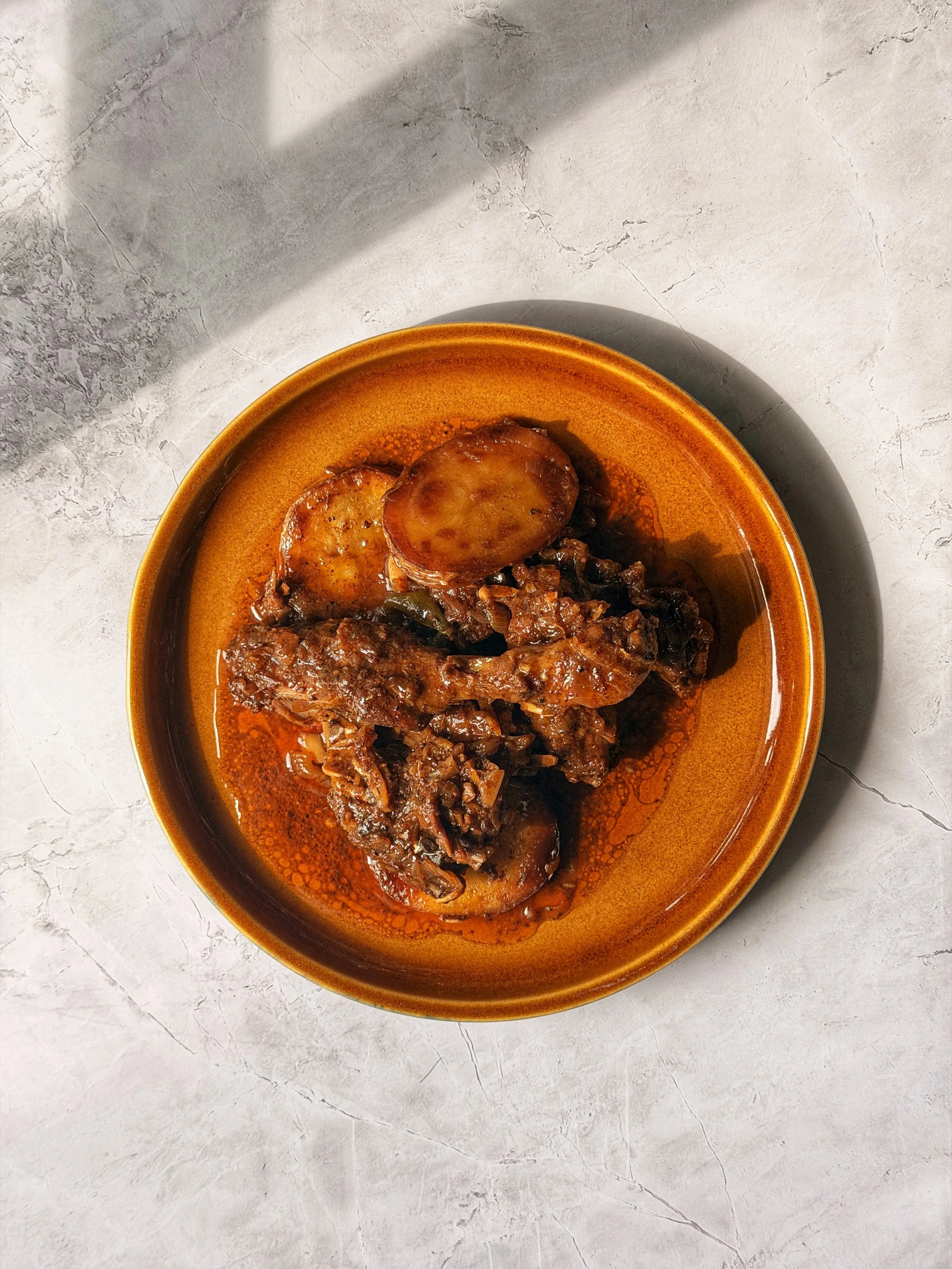
Duck Moile
Duck Moile is a particularly good example of what happened when centuries of Portuguese presence on the Konkan coast collided with the cooking of Mumbai’s East Indian Catholic community. Duck, vinegar, wine and a sweet-sour balance sit alongside ginger, garlic, chillies and that most East Indian of institutions, bottle masala. It remains a festive dish too, particularly associated with Christmas and Easter tables.
Even the name appears to carry a little Portuguese baggage. Moile or moilee is often linked to the Portuguese molho, meaning sauce, although the etymology is repeated more confidently than it is documented, so I’d treat that as a likely linguistic connection rather than courtroom evidence. The Portuguese influence on the dish itself, however, is much easier to see.
My version gets a cup of red wine, coconut vinegar and bottle masala, then reduces until there is barely a gravy left, just a dark, sticky, sharply tart sauce clinging to duck and fried potatoes.
Five hundred years of cultural exchange, and somewhere along the way the duck got wine.
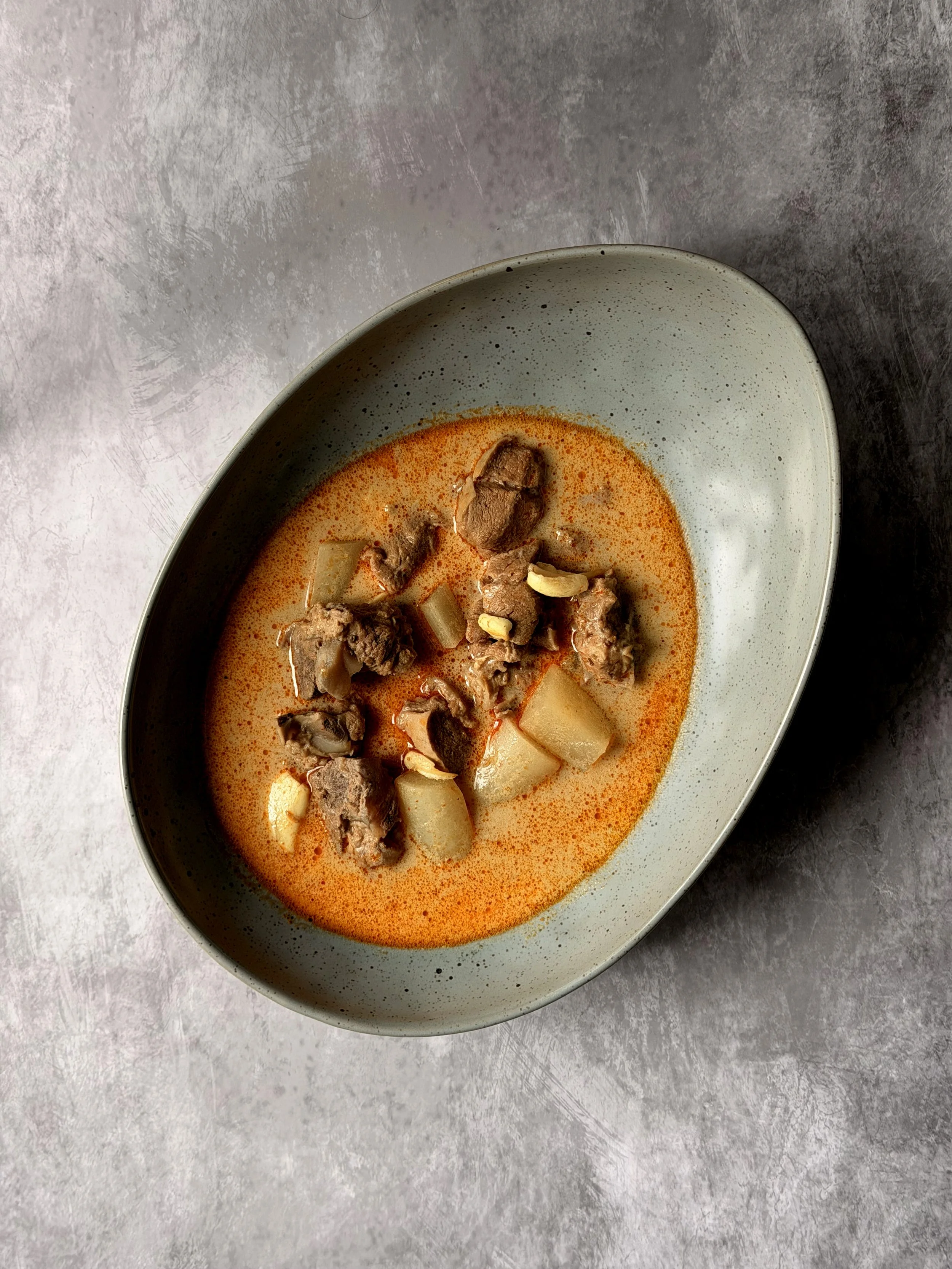
Lonvas
Lonvas begins with a rather excellent proposition: what if the radish got to cook in beef stock?
The East Indian answer involves beef, chunks of radish, coconut milk, tamarind and a generous spoonful of bottle masala. As everything simmers together, the radish goes from sharp and crunchy to soft, juicy little sponges full of beefy, spiced gravy. Frankly, it may be getting the better end of the arrangement.
Bottle masala is responsible for most of the personality here. That famously crowded East Indian spice blend brings heat, warmth and complexity, while tamarind sharpens things up and coconut milk rounds out the gravy at the end.
The beef is excellent, obviously. But don't be surprised if you find yourself fishing around the pot for another piece of radish.
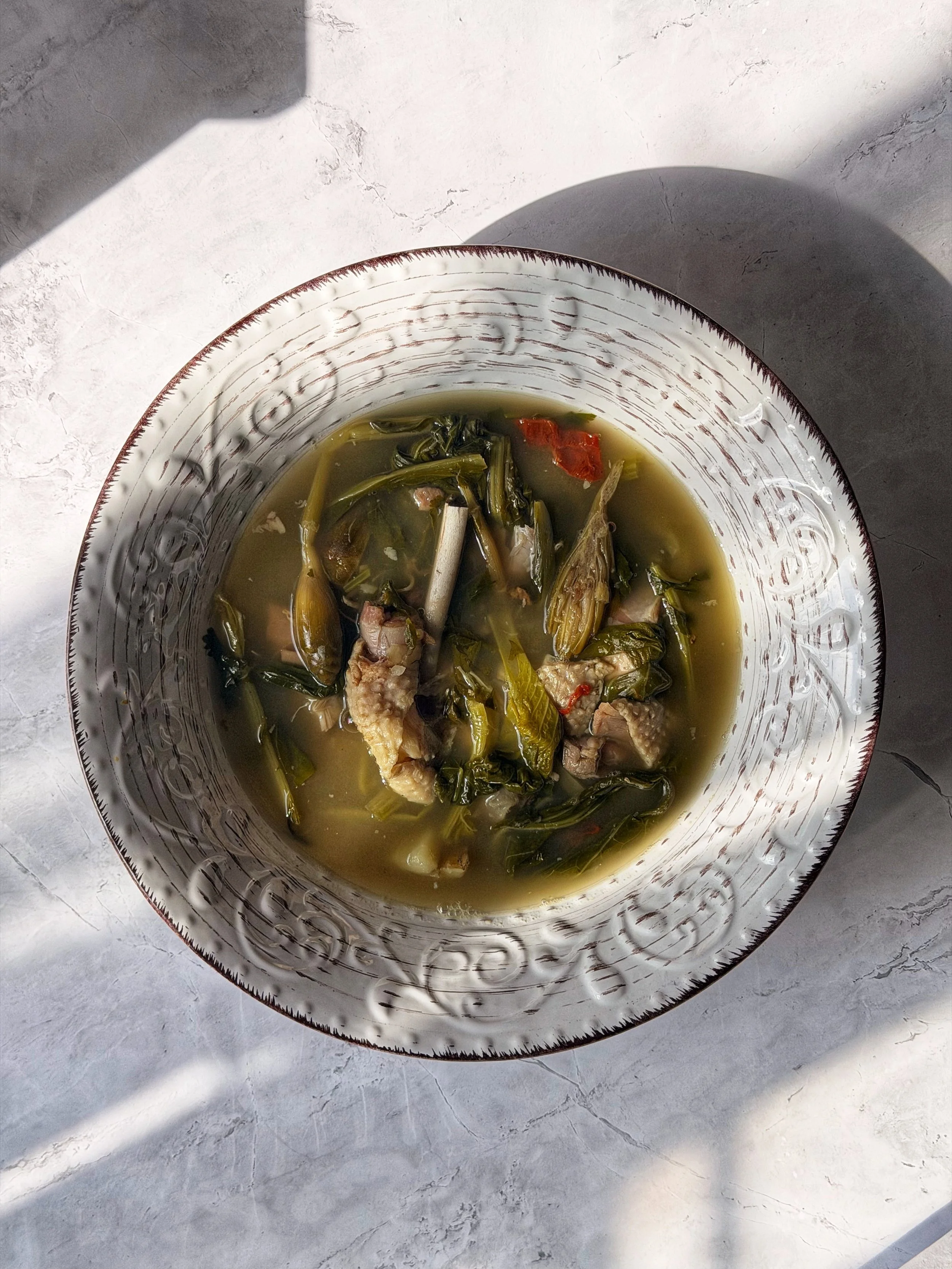
Yen Kangsoi
There are recipes where flavour begins with oil and a crowded spice box. Yen Kangsoi manages perfectly well without either.
Kangsoi is a brothy, everyday preparation from Manipur’s Meitei kitchens, built around vegetables simmered in water with ginger, chilli and ngari, the deeply funky fermented fish that does an extraordinary amount of heavy lifting. Add yen, or chicken, and the broth becomes richer while still remaining remarkably light.
This version uses country chicken, mustard greens, potato and fresh ginger flowers, which are treated almost like a vegetable rather than simply an aromatic. A whole bhut jolokia quietly infuses the pot and can be broken open at the end if you feel the afternoon has been going suspiciously well.
No oil. No powdered masala. Just chicken, greens, fermentation and one chilli with an extremely well-documented attitude problem.
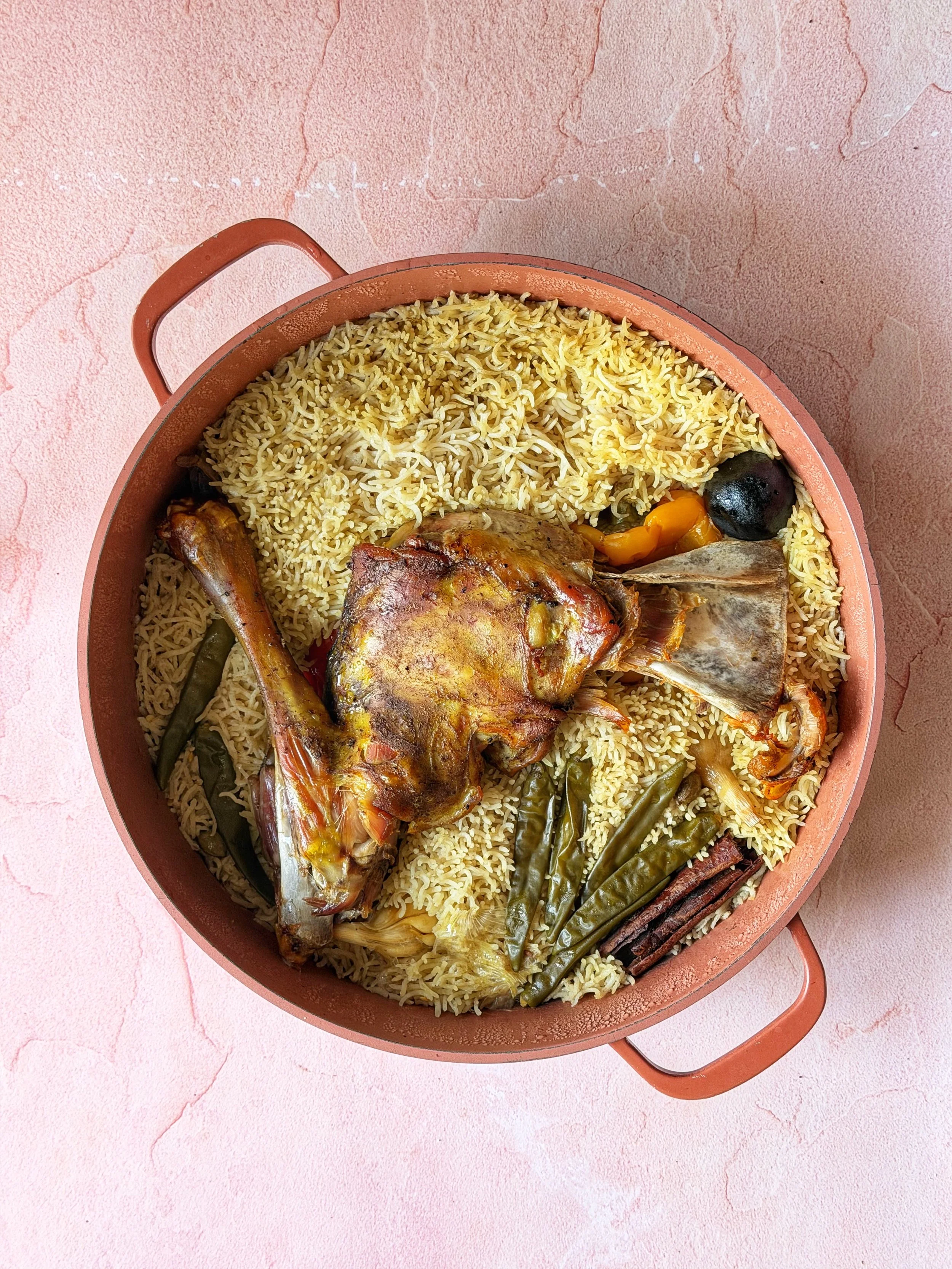
Yemeni Mutton Mandi
Mandi is traditionally associated with Yemen’s Hadhramaut region, where meat is cooked slowly with heat and smoke while its juices flavour the rice below. Reproducing that setup in a home kitchen requires a little architectural improvisation.
Here, a whole goat leg sits on a rack above a pot of water scented with black lime, whole spices, chillies, peppers and garlic. Three hours in the oven turns the liquid underneath into a broth enriched by everything dripping down from the goat. Then the rack disappears, rice goes into that broth, the leg comes back on top, and the whole arrangement returns to the oven to finish together.
A final blast of charcoal smoke does its best impression of the traditional cooking environment.
It is essentially a three-hour exercise in making gravity season your rice, followed by the extremely satisfying act of putting an entire goat leg on the table.
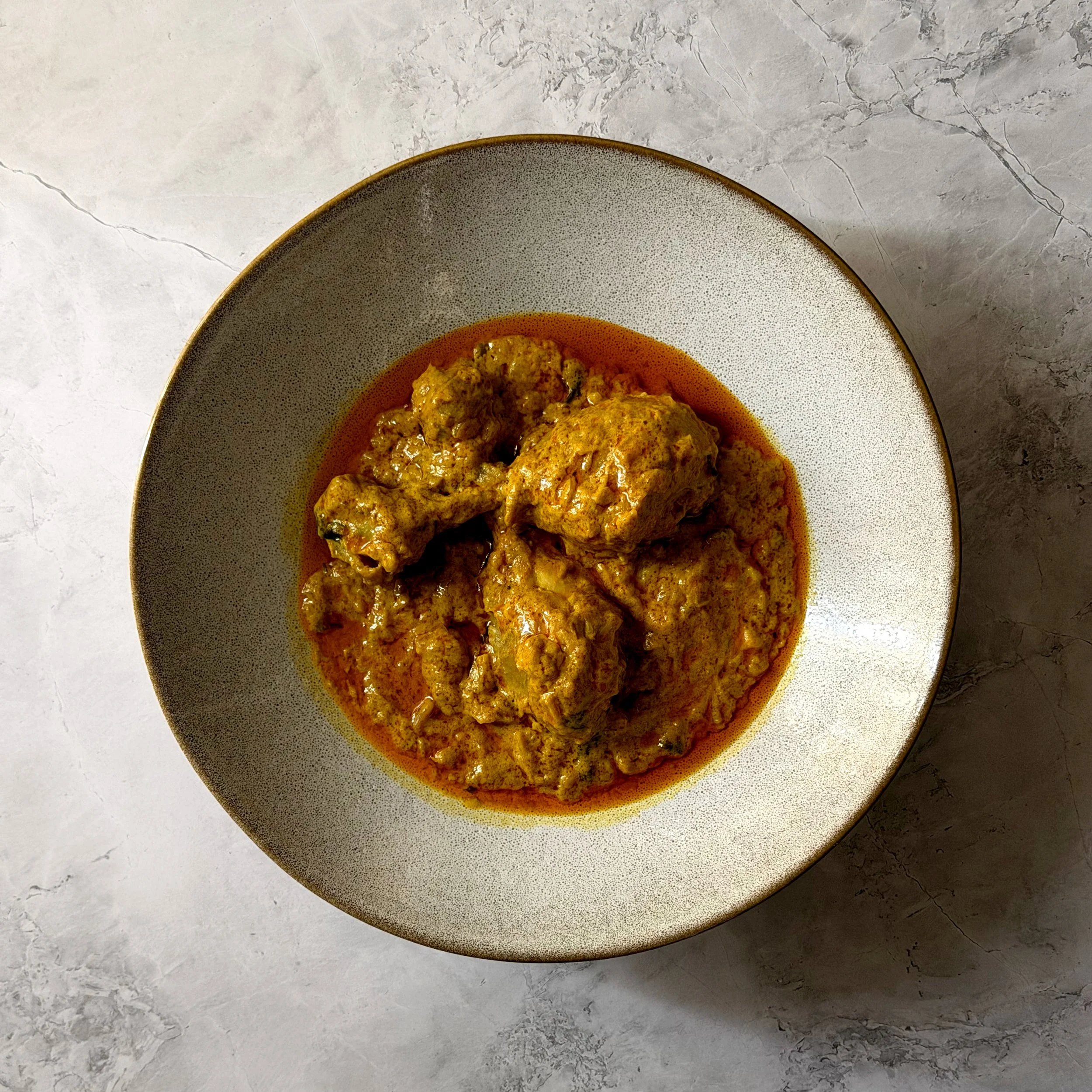
Caril de Frango
This is what happens when a curry takes the scenic route. With roots leading back to Goa, caril travelled through Portuguese-ruled Mozambique before eventually finding a comfortable home in Lisbon, picking up a Portuguese refogado and losing quite a few spices along the way.
Unlike the more complex curries of Goa, this version is deliberately mild. Onion, garlic, tomato and bay leaf are slowly cooked in plenty of oil before commercial curry powder, turmeric and coconut milk enter the picture. The result is creamy, deeply yellow, pleasantly oily and fragrant without overwhelming the chicken.
The curry powder isn't a shortcut here. It's actually part of the dish's identity, with Lisbon restaurants traditionally using Portuguese brands such as Margão.
Three continents, several generations of migration and colonial history, all eventually condensed into a surprisingly uncomplicated pot of chicken curry.
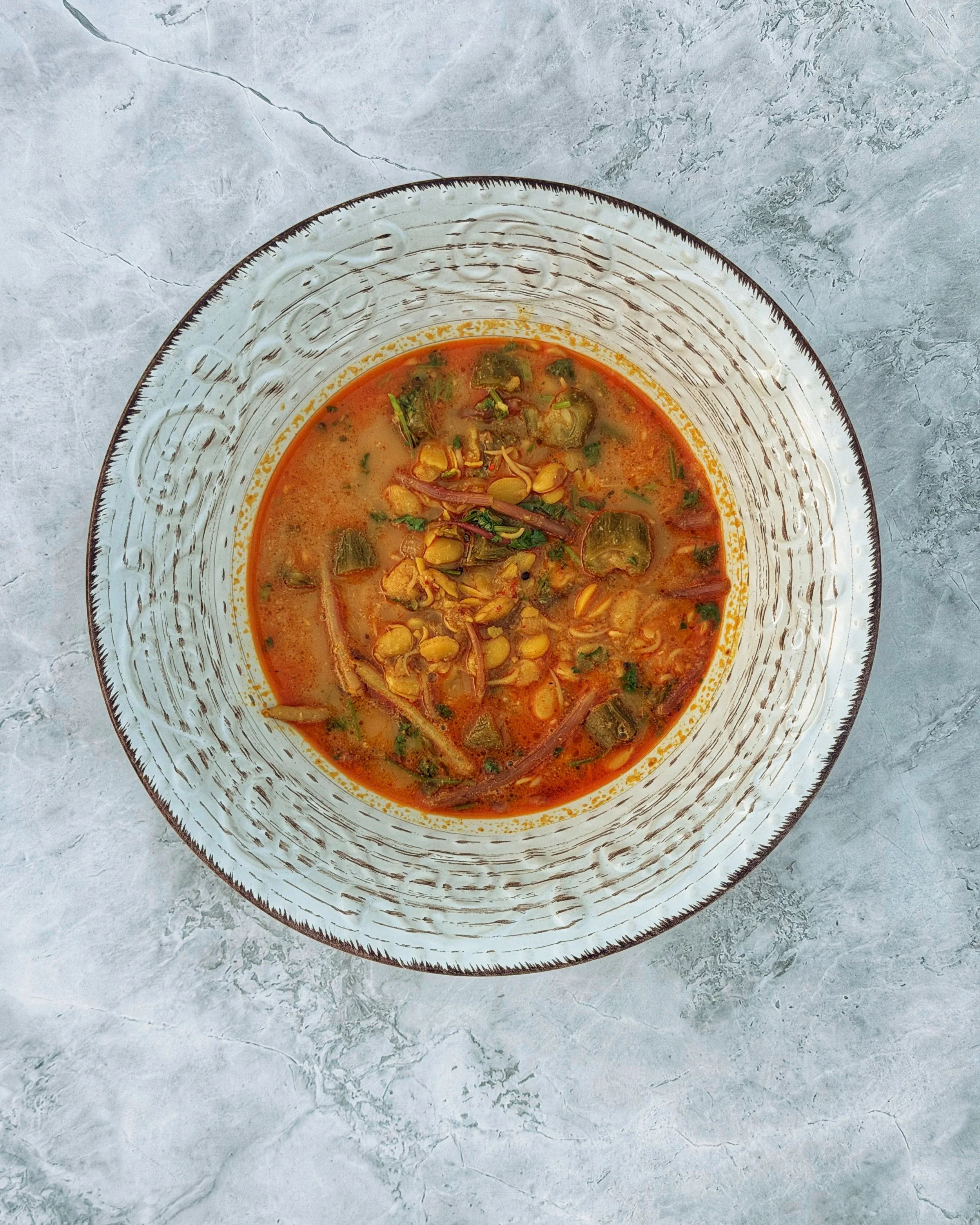
Vaalache Birde
Kadve vaal are the sort of ingredient that make you wonder how hungry the first person who cooked them must have been. Start with a hard, slightly bitter bean, soak it overnight, convince it to sprout, soak it again, peel every single one by hand, then cook it past tender until it begins to fall apart. Somehow, all this trouble leads to something delicious.
This is the Birde my mother makes, although it isn't technically her family recipe. My grandmother was from Sindhudurg, but after moving to Bombay she became particularly fond of her CKP neighbours' cooking and happily adopted several of their recipes. Their sweet and tangy style of Birde was one of them.
The sprouted vaal are cooked with vegetables, coconut, tamarind and jaggery into a thin, sweet-sour gravy.
Apparently family recipes don't always travel down the family tree. Sometimes they just wander over from next door.
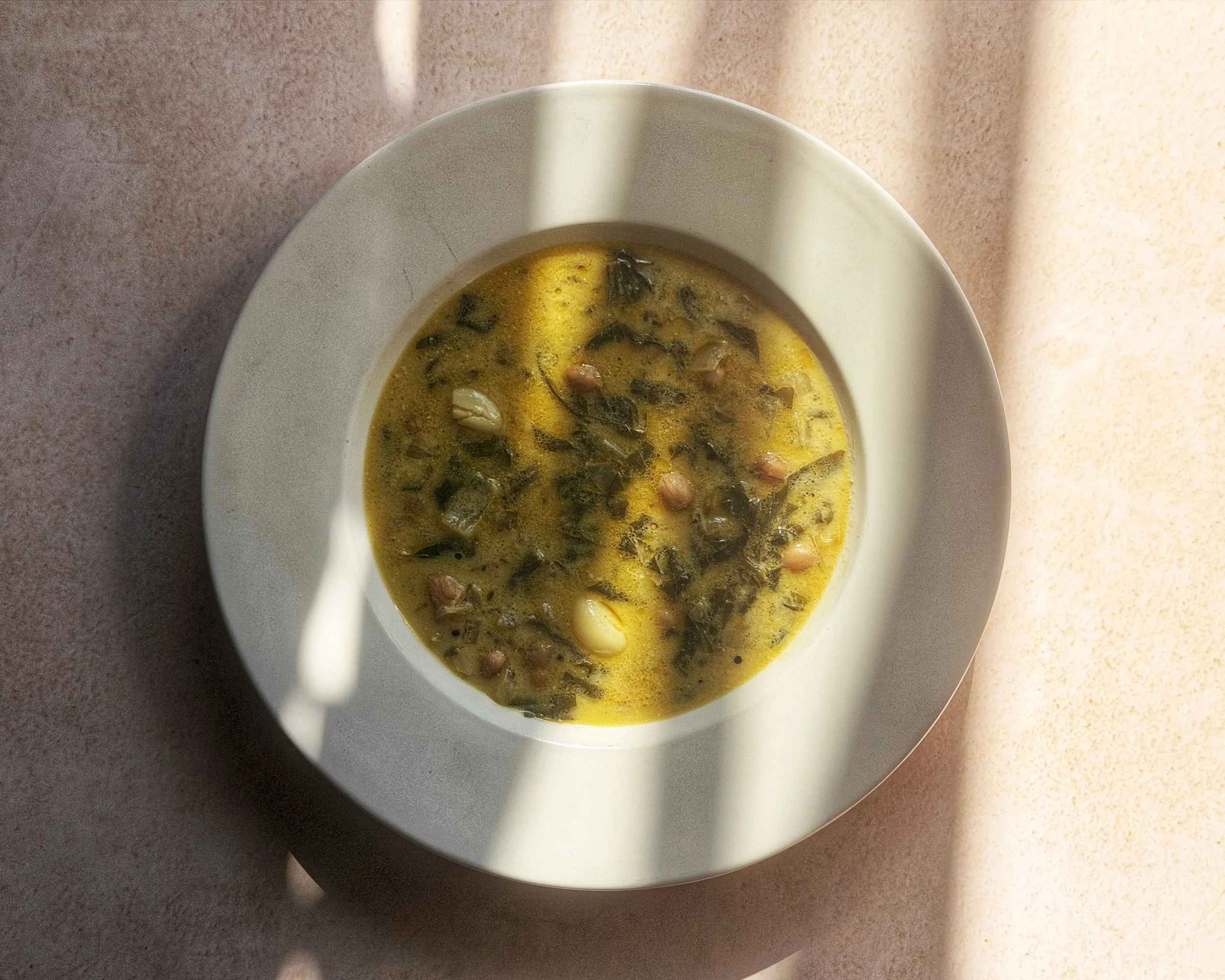
Palakachi Patal Bhaji
Palakachi Patal Bhaji is the sort of Maharashtrian spinach preparation that makes the word bhaji feel slightly misleading. Patal means thin, and this is meant to be loose and almost soupy, with spinach cooked alongside peanuts and chana dal in a tangy curd and besan base.
There’s a lot going on for something that looks so unassuming. Jaggery rounds out the sourness of the curd, peanuts and dal give you little interruptions of texture, and then a properly enthusiastic ghee tempering of garlic, chilli, ginger and curry leaves goes over the whole thing at the end.
It’s not the glamorous end of the spinach universe. It is, however, exactly the sort of thing that makes a bowl of hot rice disappear considerably faster than planned.
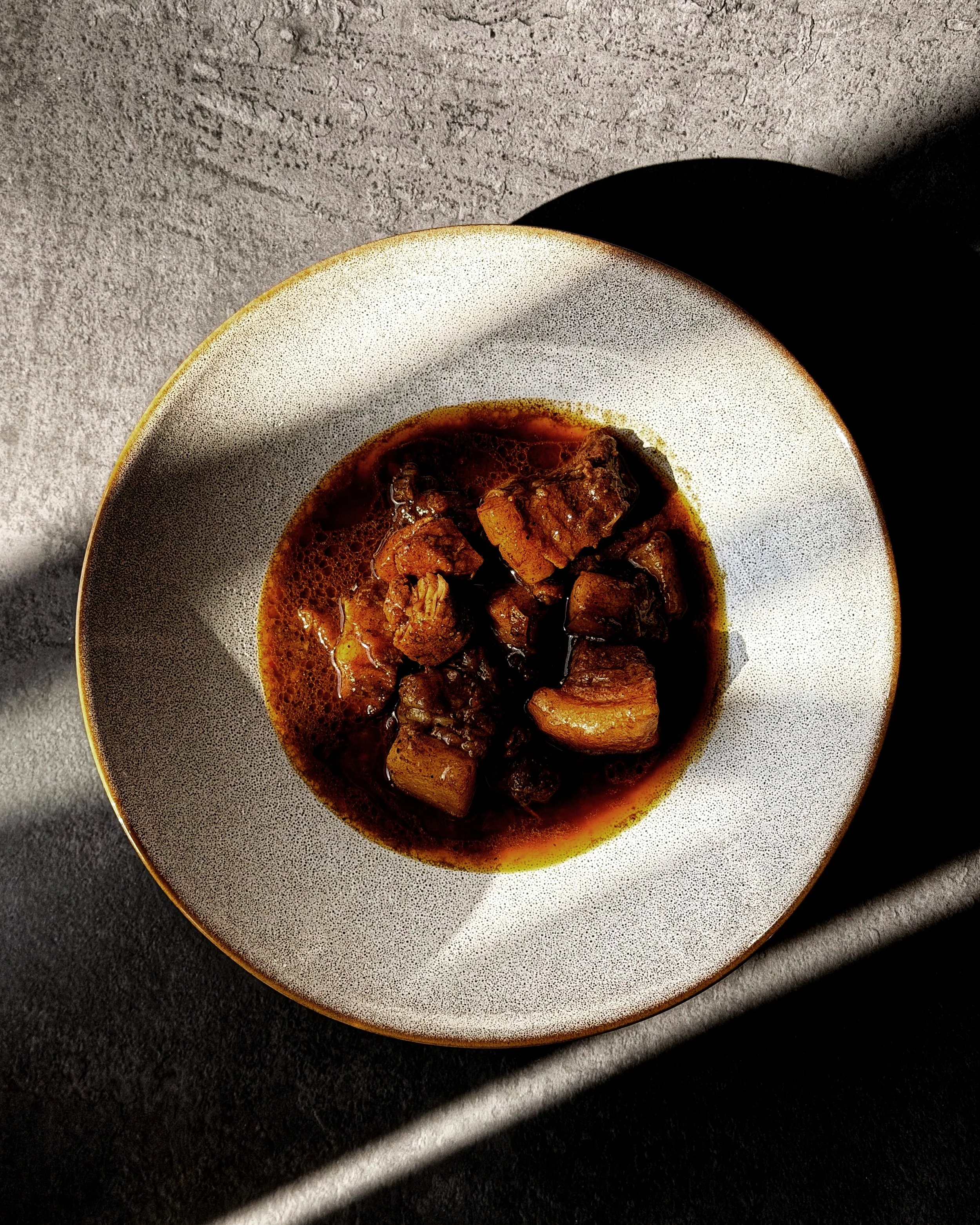
Pandi Curry
Pandi Curry is what happens when pork meets a spice box with very little interest in subtlety. Fatty pork is slowly cooked with spices roasted considerably darker than your instincts might recommend, then finished with kachampuli, Kodagu’s wonderfully intense sour fruit vinegar.
This version is a little mellower and more gravy-forward than some, but there are two things worth taking seriously. Get the spices properly dark without burning them, and approach the kachampuli with caution. Especially if yours came from someone’s home in Kodagu, where apparently measuring acidity in sensible units is optional. Start with a little, taste, then add more.
And make it a day ahead. Somehow pork, roasted spices and kachampuli spend the night discussing their differences and wake up considerably better friends.
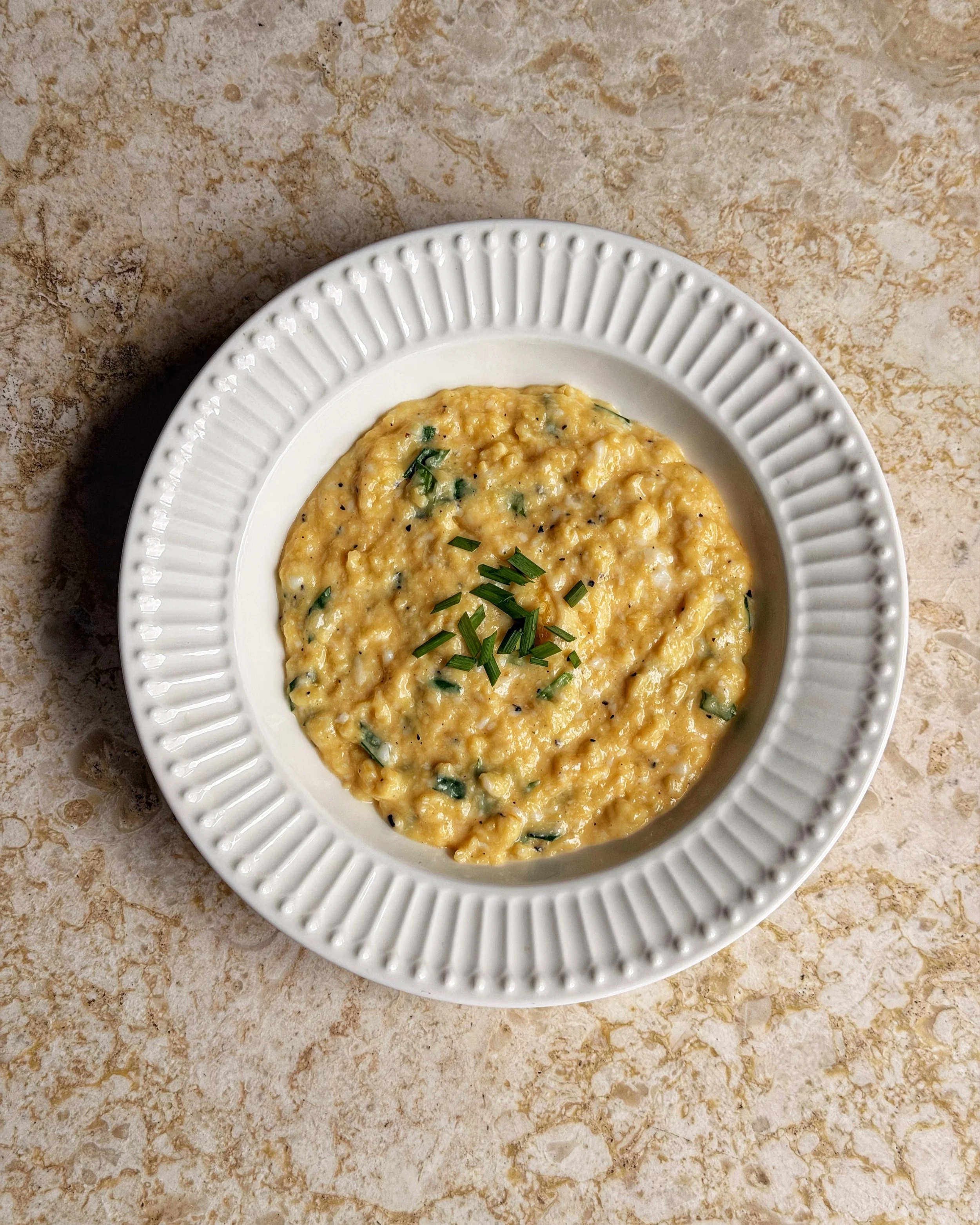
Custardy Scrambled Eggs
Scrambled eggs are one of those things where technique matters far more than the ingredient list. Eggs, butter, salt. Nothing particularly complicated. But change the pan, the heat and the way you stir them, and you end up with something completely different.
This version is cooked slowly in a small saucepan, stirring constantly and repeatedly interrupting the heat whenever the eggs threaten to set too quickly. Butter becomes both ingredient and temperature control, while crème fraîche or cream provides one final brake at the end. Instead of fluffy curds, the eggs gradually thicken into something glossy, rich and almost custard-like.
It requires considerably more attention than regular scrambled eggs, but once you understand how to control the temperature, you barely need a recipe at all.
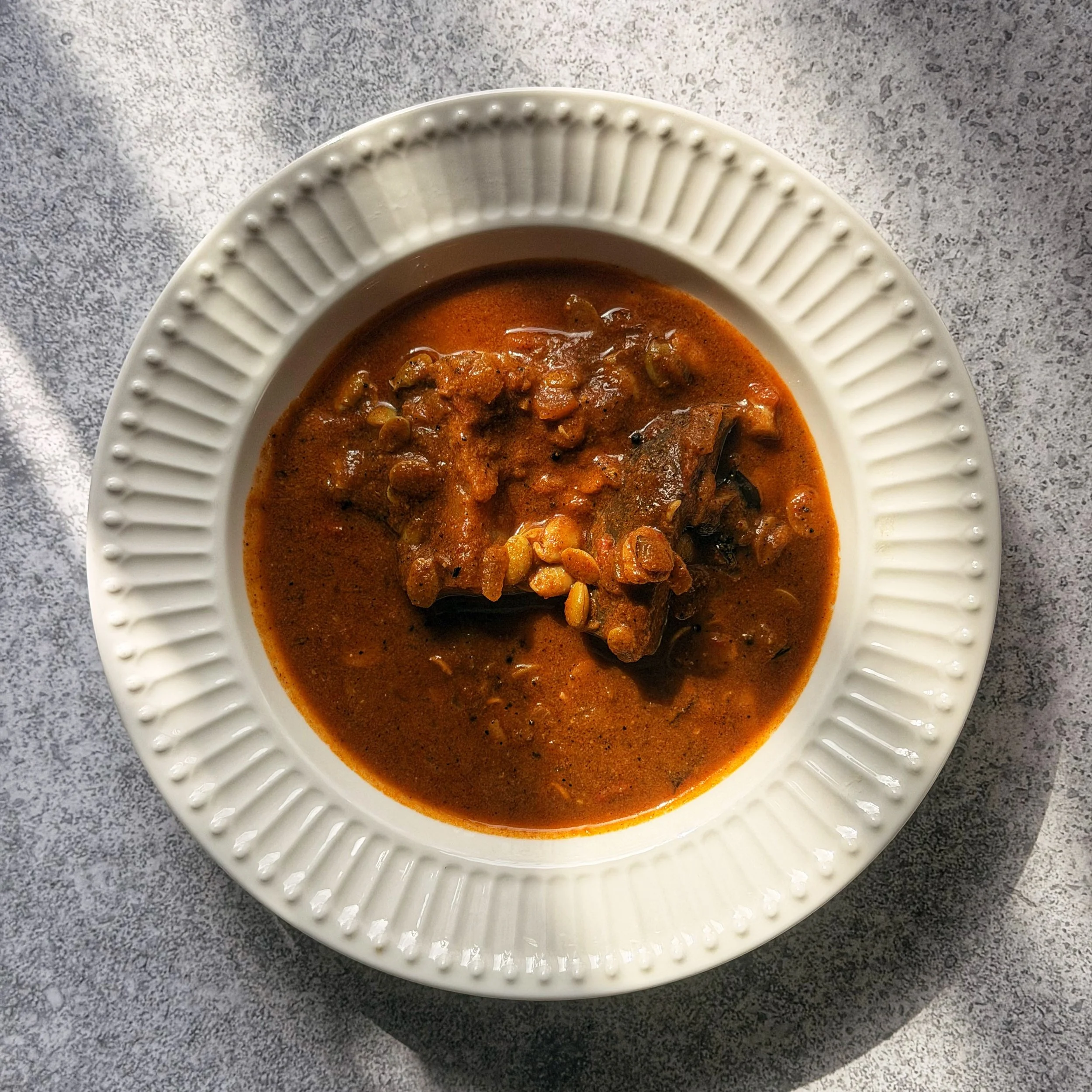
Hitikida Avarekalu Badanekayi Saaru
Avarekalu season in Karnataka apparently comes with homework. First shell the beans. Then soak them. Then sit there squeezing every single bean out of its skin because, naturally, somebody discovered they taste better that way.
These hitikida avarekalu are cooked with brinjal in a roasted coconut masala with Byadgi chillies and marathi moggu, then finished with tamarind and a little jaggery. The peeled beans turn wonderfully creamy, the broken ones melt into the gravy, and the brinjal soaks up everything it possibly can.
A slightly unreasonable amount of effort for a bowl of beans. Also completely worth it.
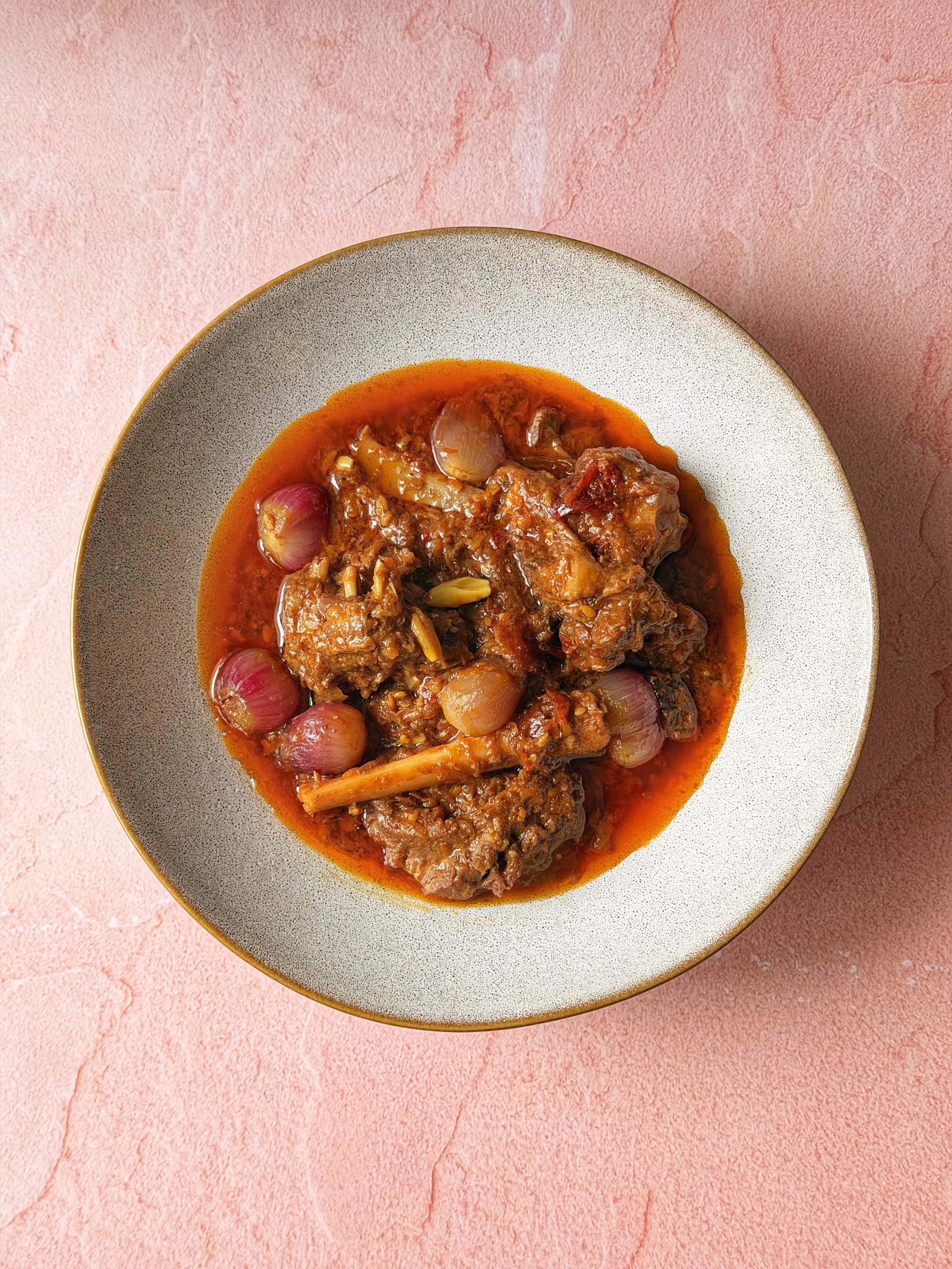
Laal Maas
Ask five people for an authentic Laal Maas recipe and there is a good chance you will come away with six answers. This version came out of that particular rabbit hole. I compared recipes associated with royal kitchens in Mewar and Jodhpur, watched how the dish is still cooked within those traditions, and eventually stumbled upon Digvijaya Singh Sailana’s Do Peeaza Lal Mirch, a different Rajasthani mutton dish with some striking similarities.
So this isn’t an attempt to declare one definitive Laal Maas. It takes the ideas that kept making sense to me: bone-in goat, an unreasonable amount of red chilli and garlic, sour curd, kachri, mustard oil and a little smoke. Mathania chillies go in both ground and torn, while golden onions and whole shallots borrow from Sailana’s recipe. The marinated meat even gets a dhungar before cooking, letting the smoke quietly survive the long braise.
Sometimes researching authenticity gives you an answer. Sometimes it gives you a much better recipe.