
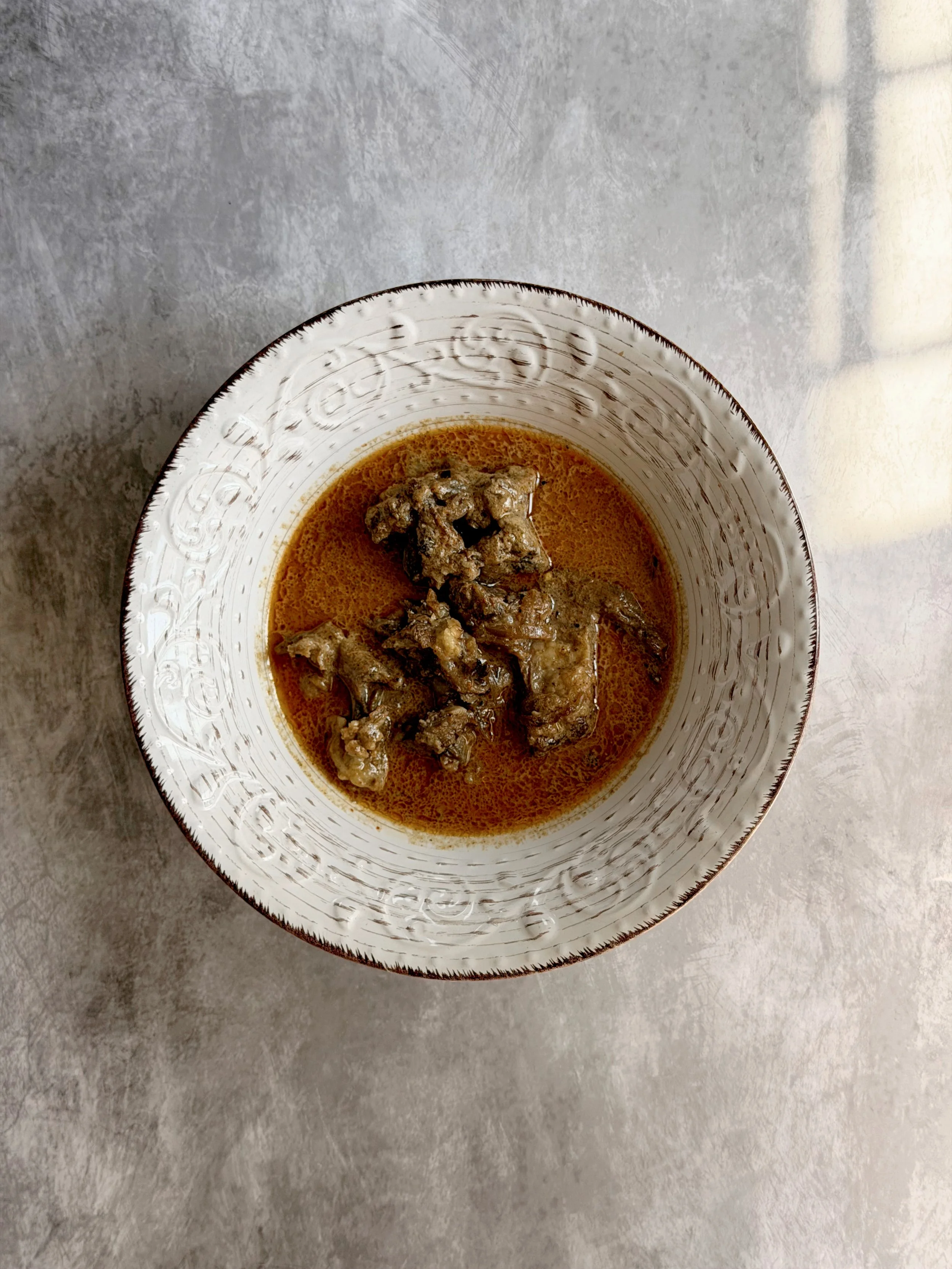
East Indian Beef Curry
I wanted to see what would happen if an East Indian curry met a piece of beef that had absolutely nowhere to be.
A whole slab of short ribs gets the long treatment with homemade bottle masala, red wine and beef stock, before coconut milk joins the party towards the end. The idea was to let the beef get properly tender without cooking the coconut into oblivion.
Three-and-a-half hours later, the ribs were barely holding onto the bone, the gravy had picked up all that beefy, gelatinous goodness, and the bottle masala was doing exactly what bottle masala does best.
Not exactly a weeknight curry. Very much worth cancelling plans for.
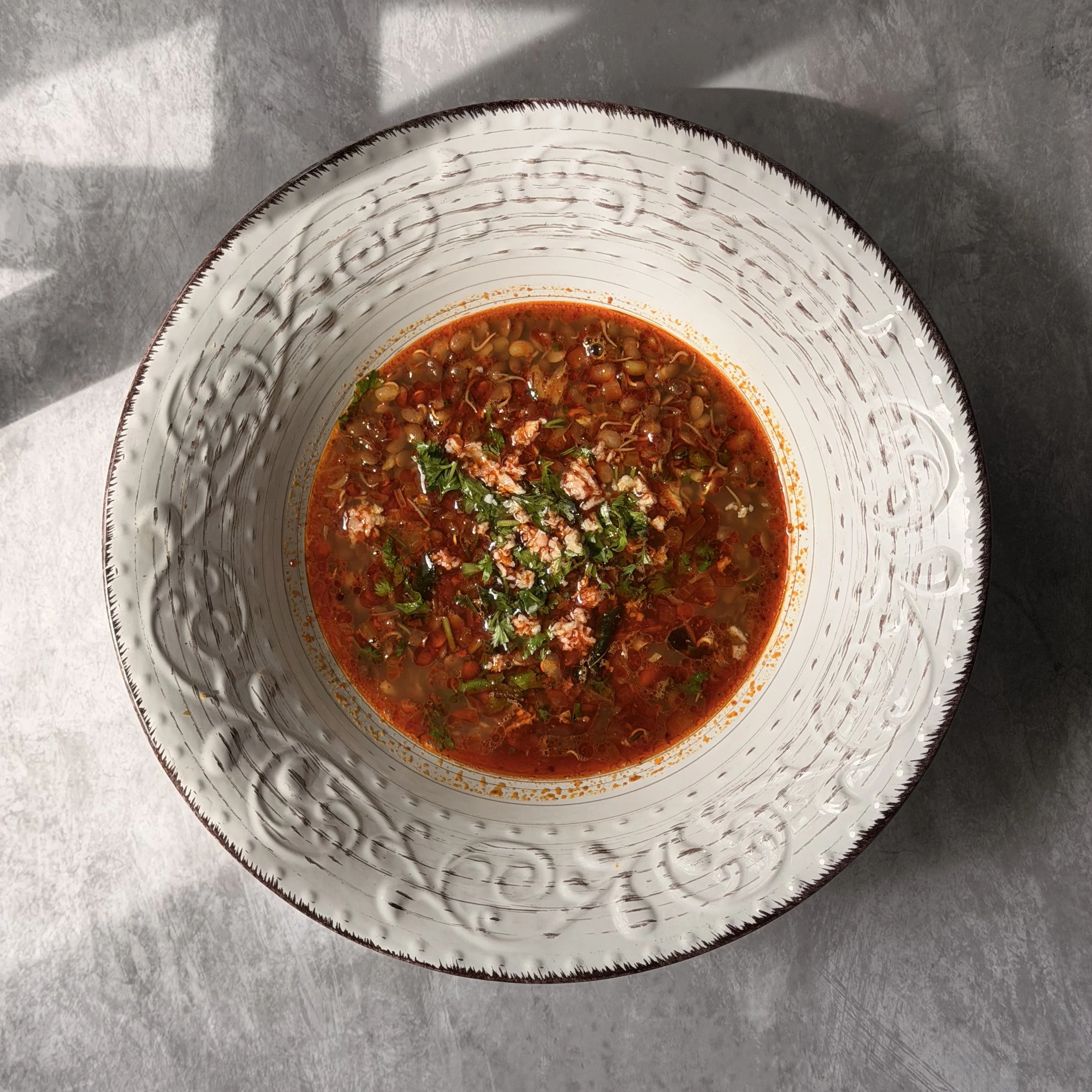
Kulith Amti
Horse gram has a flavour that refuses to disappear politely into a curry. It is earthy, slightly nutty and distinctly itself, so this amti is built around that character rather than trying to cover it up.
The kulith is soaked, sprouted and cooked first, with its cooking liquor saved for the gravy. Kanda lasun masala brings roasted chilli, garlic and coconut depth, while tamarind and jaggery sit quietly in the background doing the Maharashtrian sweet-sour balancing act. A handful of the horse gram gets mashed back into the pot for body, and goda masala and roasted cumin go in towards the end so their aroma survives the journey.
It is dark, hearty and particularly good with rice and a little ghee.
Turns out horse gram has quite a lot to say. Best not interrupt it.
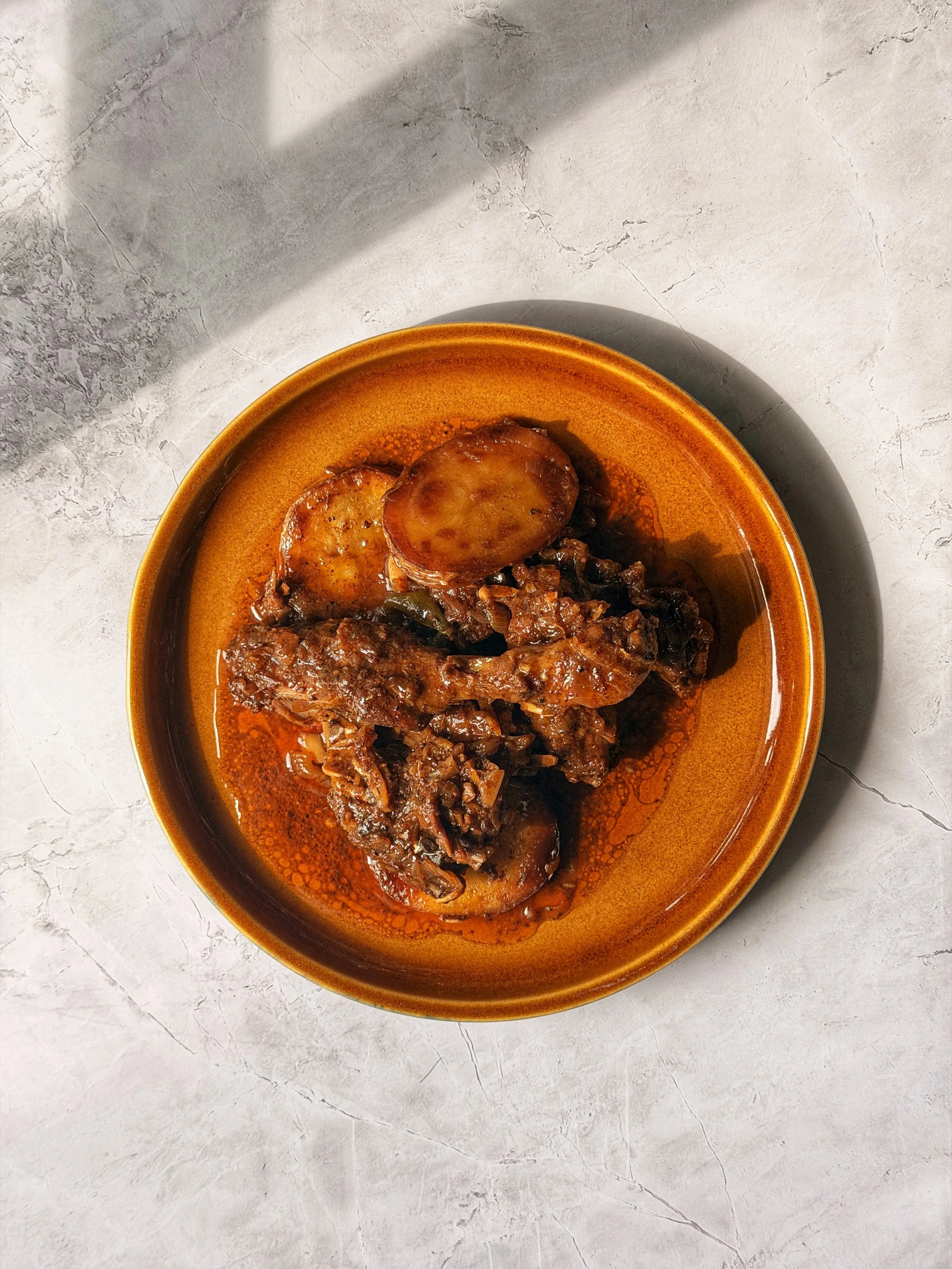
Duck Moile
Duck Moile is a particularly good example of what happened when centuries of Portuguese presence on the Konkan coast collided with the cooking of Mumbai’s East Indian Catholic community. Duck, vinegar, wine and a sweet-sour balance sit alongside ginger, garlic, chillies and that most East Indian of institutions, bottle masala. It remains a festive dish too, particularly associated with Christmas and Easter tables.
Even the name appears to carry a little Portuguese baggage. Moile or moilee is often linked to the Portuguese molho, meaning sauce, although the etymology is repeated more confidently than it is documented, so I’d treat that as a likely linguistic connection rather than courtroom evidence. The Portuguese influence on the dish itself, however, is much easier to see.
My version gets a cup of red wine, coconut vinegar and bottle masala, then reduces until there is barely a gravy left, just a dark, sticky, sharply tart sauce clinging to duck and fried potatoes.
Five hundred years of cultural exchange, and somewhere along the way the duck got wine.
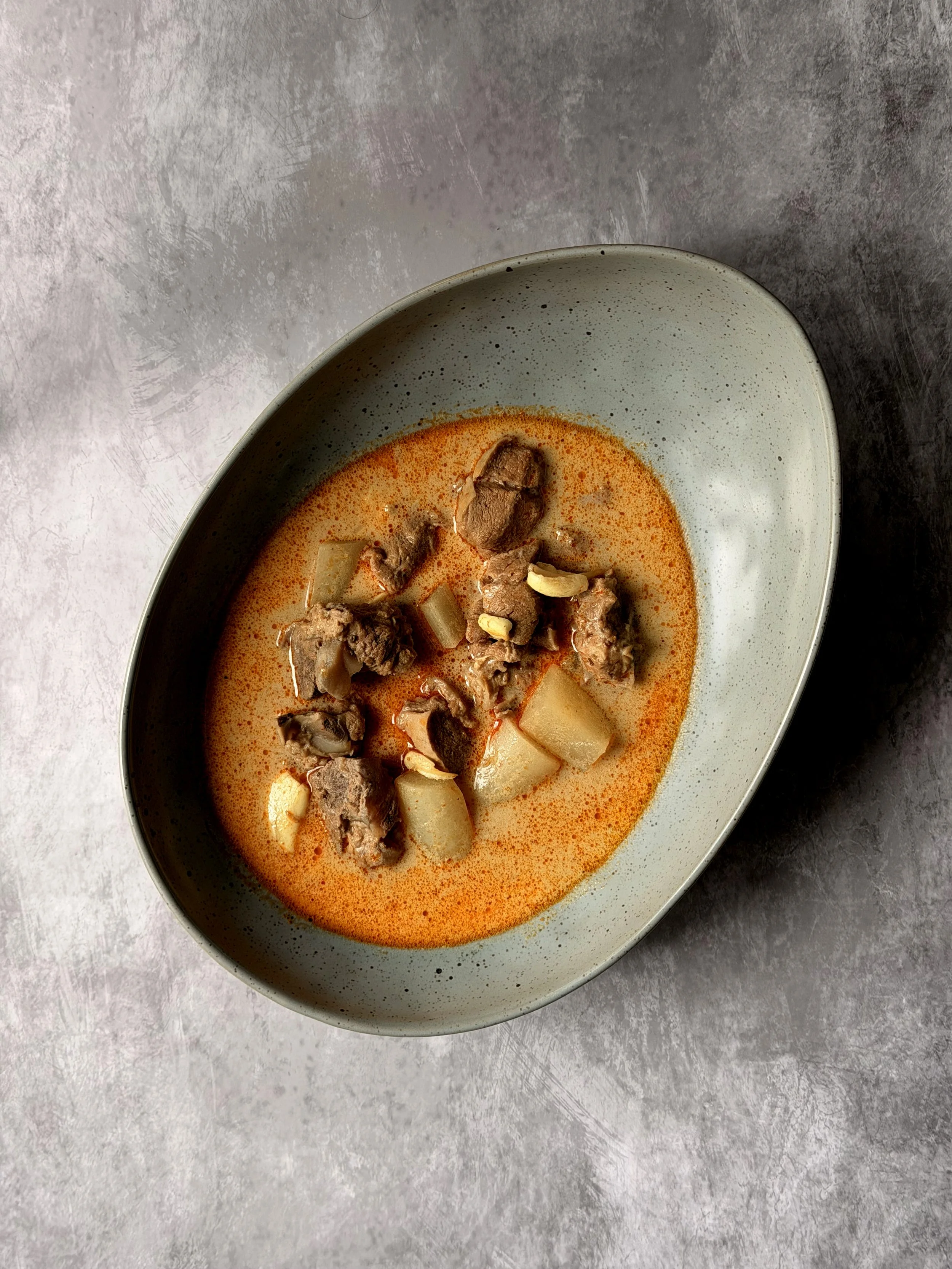
Lonvas
Lonvas begins with a rather excellent proposition: what if the radish got to cook in beef stock?
The East Indian answer involves beef, chunks of radish, coconut milk, tamarind and a generous spoonful of bottle masala. As everything simmers together, the radish goes from sharp and crunchy to soft, juicy little sponges full of beefy, spiced gravy. Frankly, it may be getting the better end of the arrangement.
Bottle masala is responsible for most of the personality here. That famously crowded East Indian spice blend brings heat, warmth and complexity, while tamarind sharpens things up and coconut milk rounds out the gravy at the end.
The beef is excellent, obviously. But don't be surprised if you find yourself fishing around the pot for another piece of radish.
Vaalache Birde
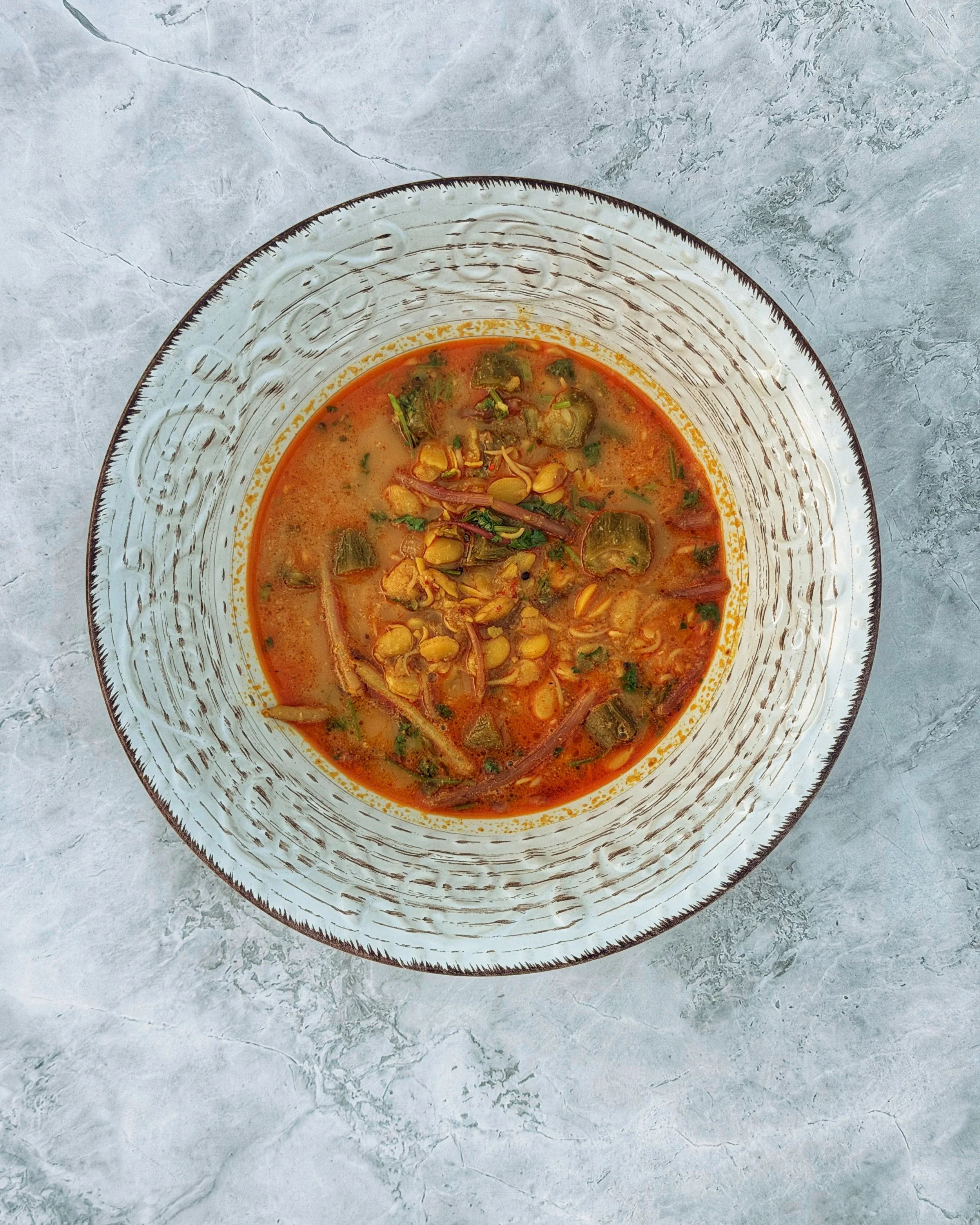
Kadve vaal are the sort of ingredient that make you wonder how hungry the first person who cooked them must have been. Start with a hard, slightly bitter bean, soak it overnight, convince it to sprout, soak it again, peel every single one by hand, then cook it past tender until it begins to fall apart. Somehow, all this trouble leads to something delicious.
This is the Birde my mother makes, although it isn't technically her family recipe. My grandmother was from Sindhudurg, but after moving to Bombay she became particularly fond of her CKP neighbours' cooking and happily adopted several of their recipes. Their sweet and tangy style of Birde was one of them.
The sprouted vaal are cooked with vegetables, coconut, tamarind and jaggery into a thin, sweet-sour gravy.
Apparently family recipes don't always travel down the family tree. Sometimes they just wander over from next door.
Palakachi Patal Bhaji
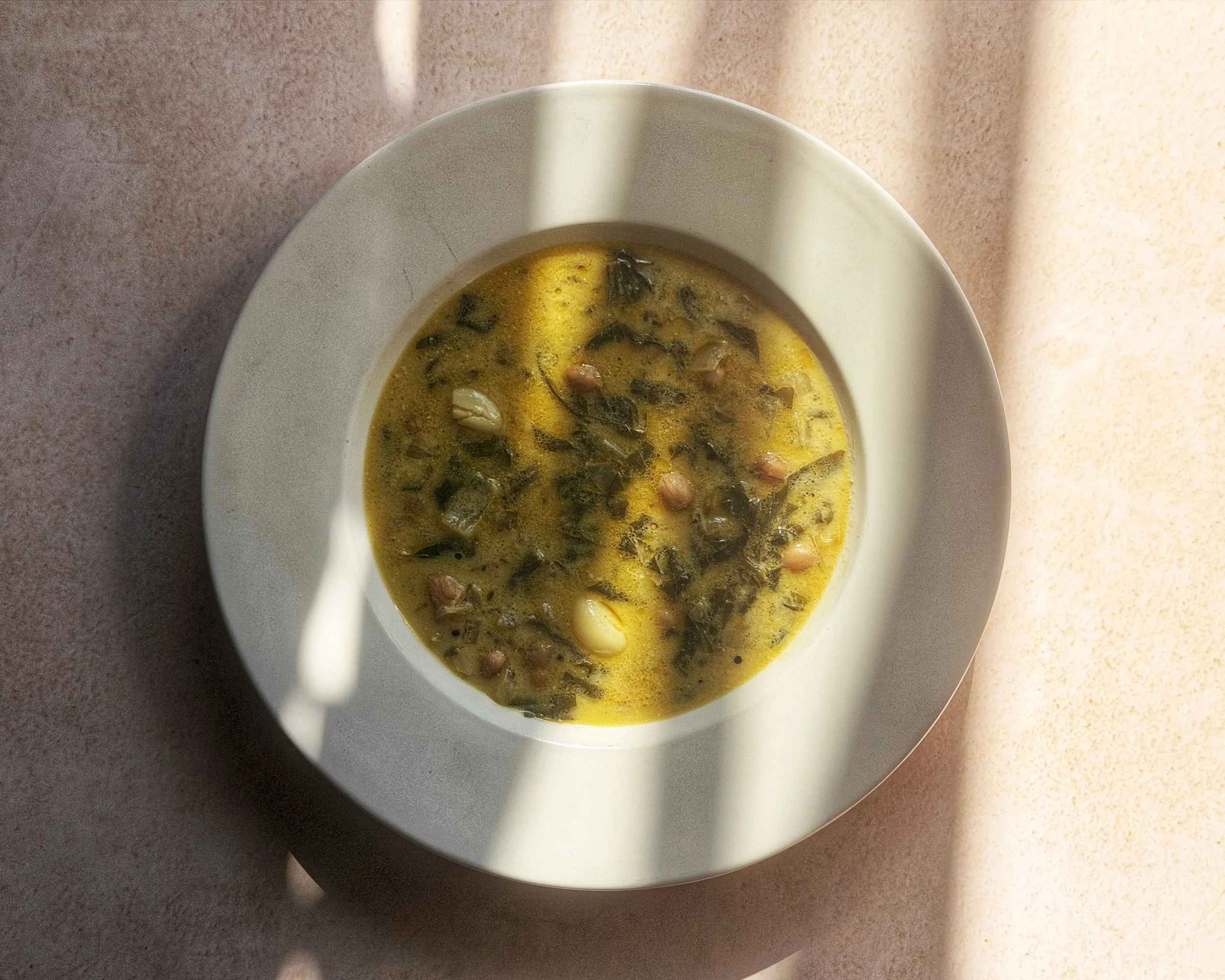
Palakachi Patal Bhaji is the sort of Maharashtrian spinach preparation that makes the word bhaji feel slightly misleading. Patal means thin, and this is meant to be loose and almost soupy, with spinach cooked alongside peanuts and chana dal in a tangy curd and besan base.
There’s a lot going on for something that looks so unassuming. Jaggery rounds out the sourness of the curd, peanuts and dal give you little interruptions of texture, and then a properly enthusiastic ghee tempering of garlic, chilli, ginger and curry leaves goes over the whole thing at the end.
It’s not the glamorous end of the spinach universe. It is, however, exactly the sort of thing that makes a bowl of hot rice disappear considerably faster than planned.
East Indian Chicken Khuddi
Long before spice blends came with barcodes and ingredient lists, Mumbai’s East Indian families had bottle masala. A fiercely personal blend of spices, traditionally made in large batches, stored in beer bottles and passed down through families, with every household convinced theirs is obviously the best one.
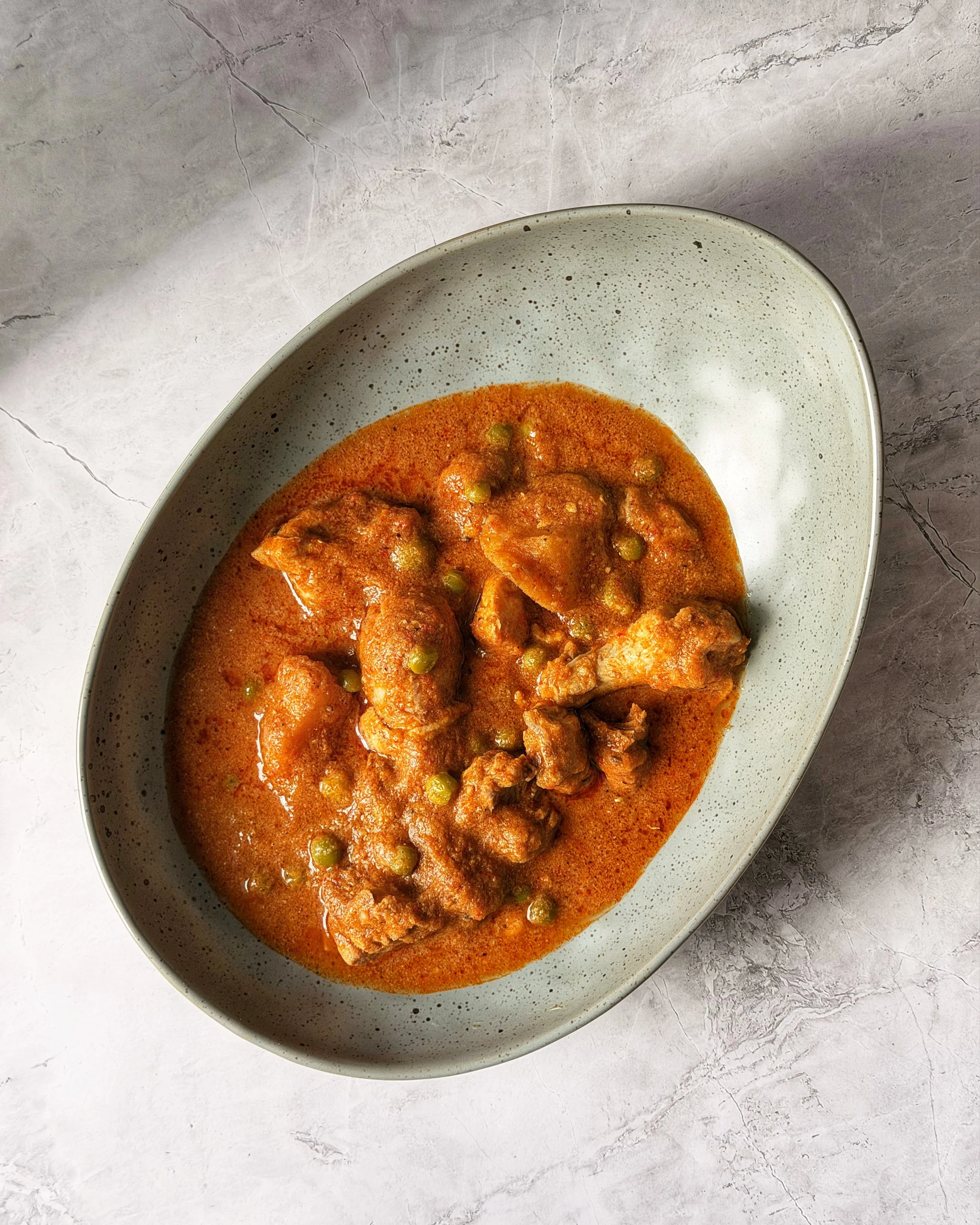
Khuddi is one of the great places to put it to work. A proper East Indian Sunday lunch curry of chicken, potatoes and roasted coconut, deeply spiced with bottle masala and sharpened here with coconut vinegar.
Rich, tangy, comforting and ideally accompanied by fugiya, pao or rice. And if someone offers you their family’s bottle masala recipe, write it down immediately. You may not be asked twice.
Shepu Paratha
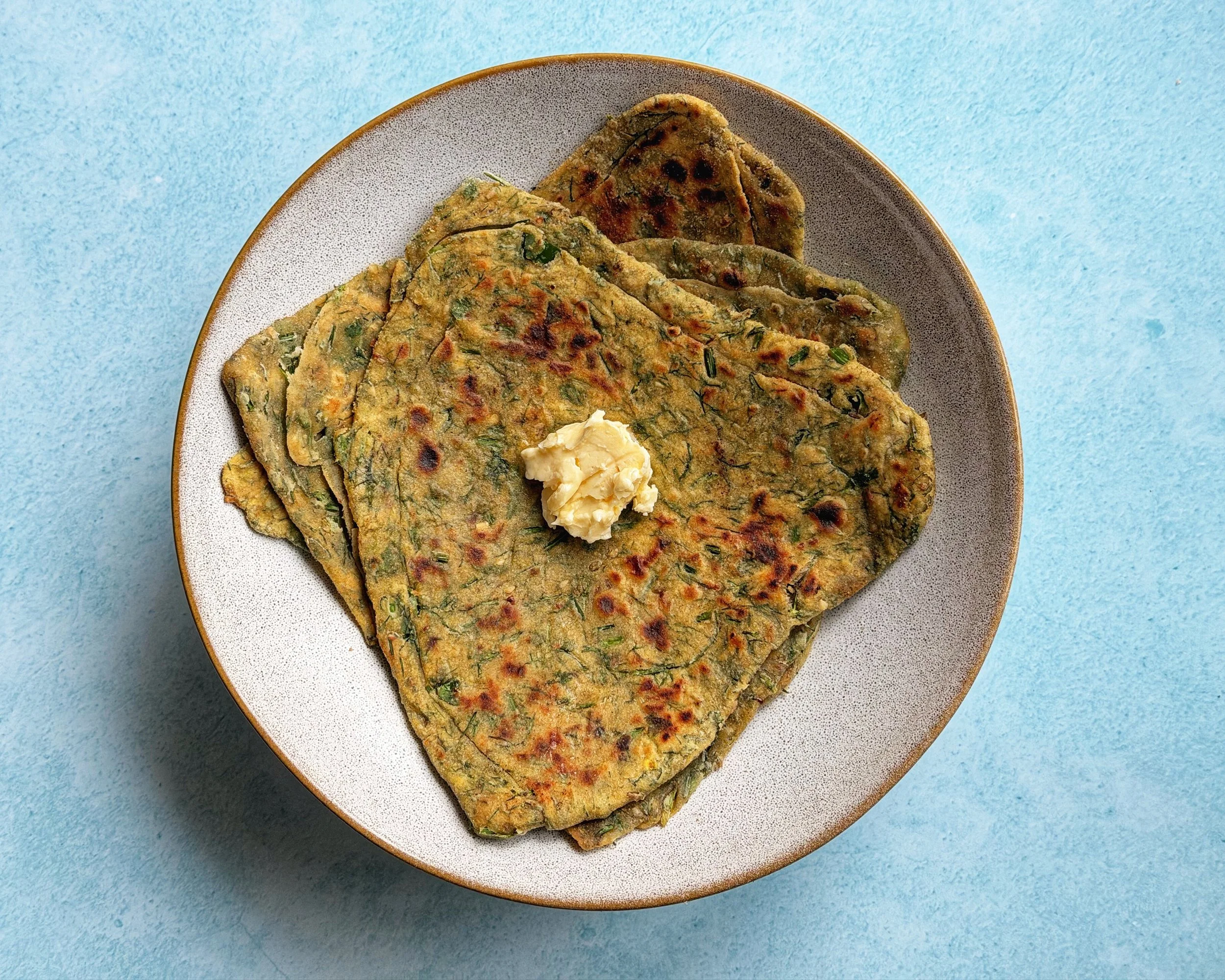
Shepu is one of those ingredients that refuses to quietly become “some greens” in the background. Dill is grassy, slightly bitter, intensely aromatic and very much the main character here. Kneaded straight into atta with coriander, green chillies, ginger, sesame and a few everyday spices, it turns a simple paratha into something considerably more interesting. Layer it with ghee, get those edges properly crisp, and serve it hot with curd and pickle. Technically breakfast. Also a perfectly reasonable excuse to eat butter before noon.
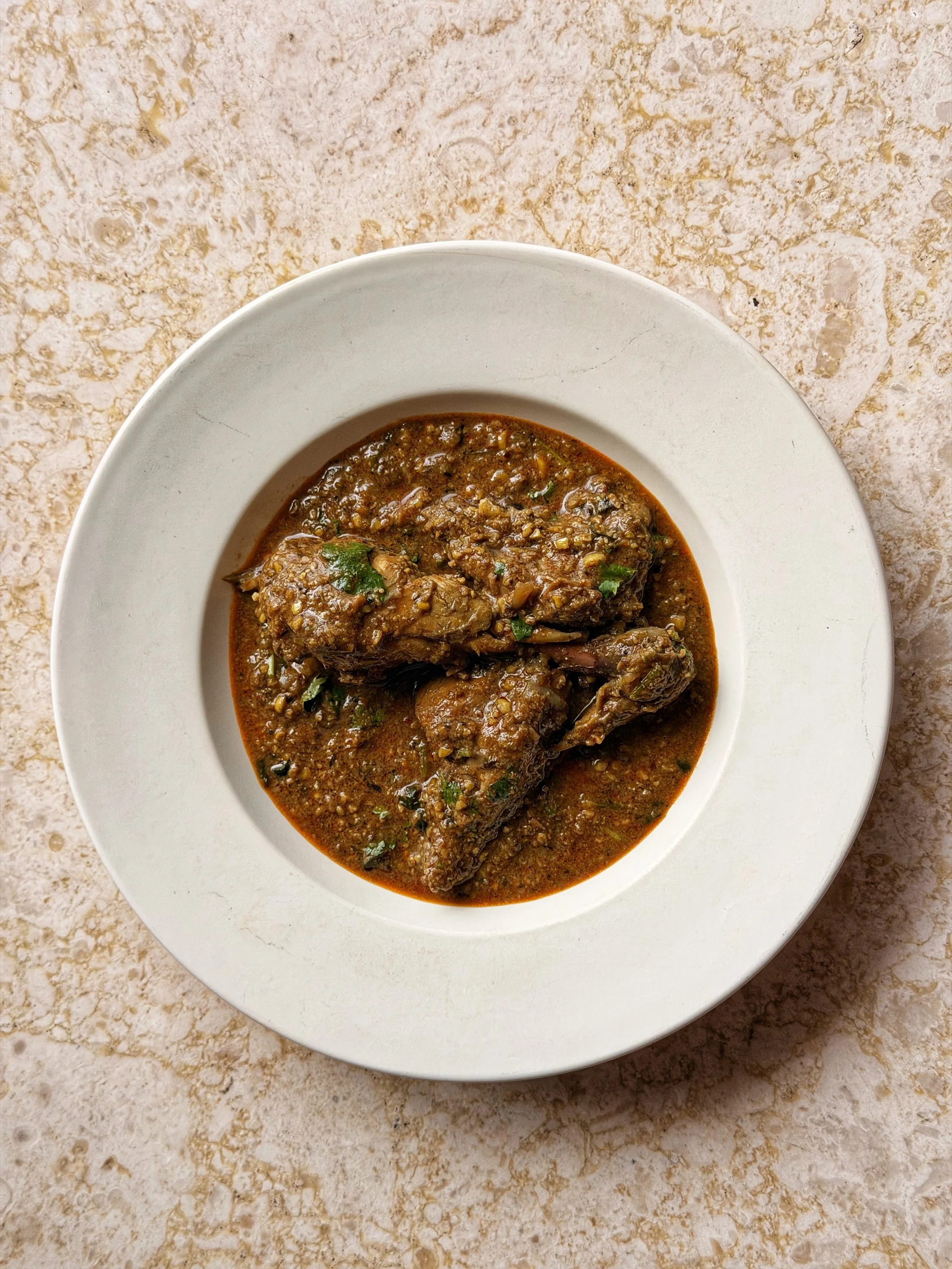
Shengdana Chicken
In the kitchens of Vidarbha and Marathwada, peanuts have a habit of sneaking into everyday cooking and making everything considerably more interesting. In Shengdana Chicken, they are roasted, coarsely ground and cooked with Kanda Lasun Masala until they turn into a thick, nutty gravy that clings shamelessly to the chicken. There is no coconut, cream or fancy thickener required. The peanuts have that department covered. Spicy, earthy and unapologetically rustic, this is the sort of curry that makes a bhakri less of an accompaniment and more of an essential piece of eating equipment.
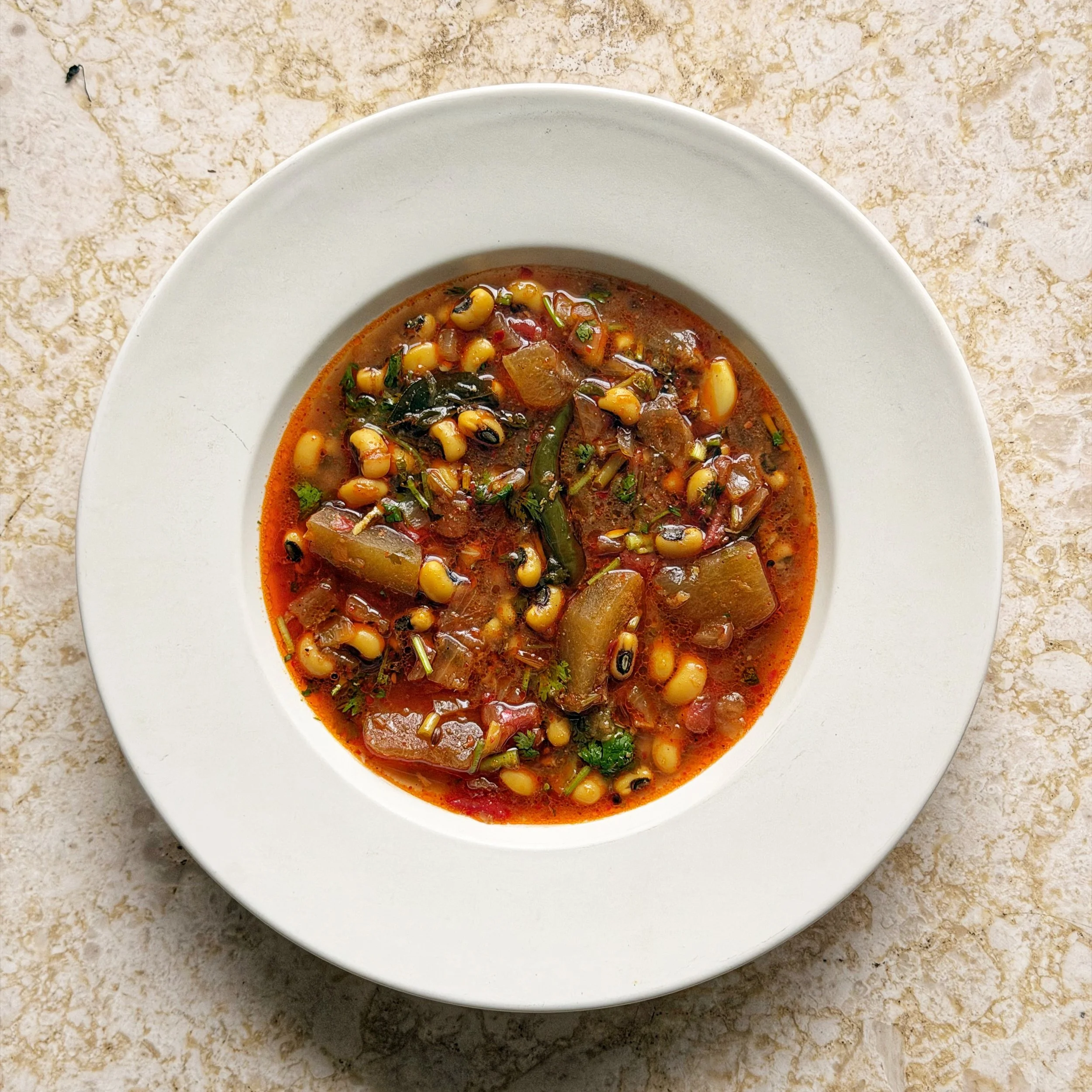
Chawli Usal
Chawli usal is one of those delightfully practical Maharashtrian dishes where a humble bag of beans somehow transforms into a full-on comfort feast. The chawli gets cooked till soft and tender, then it happily simmers away with onions, garlic, Kanda Lasun Masala, and a cheeky little bit of jaggery until the gravy turns thick, spicy, and deeply addictive. The bottle gourd isn’t just along for the ride either, it soaks up all that masala goodness like a sponge and makes the usal extra hearty and satisfying. Scoop it up with bhakri, rice, or pav, or go all out and use it as the base for a very proudly homemade misal.
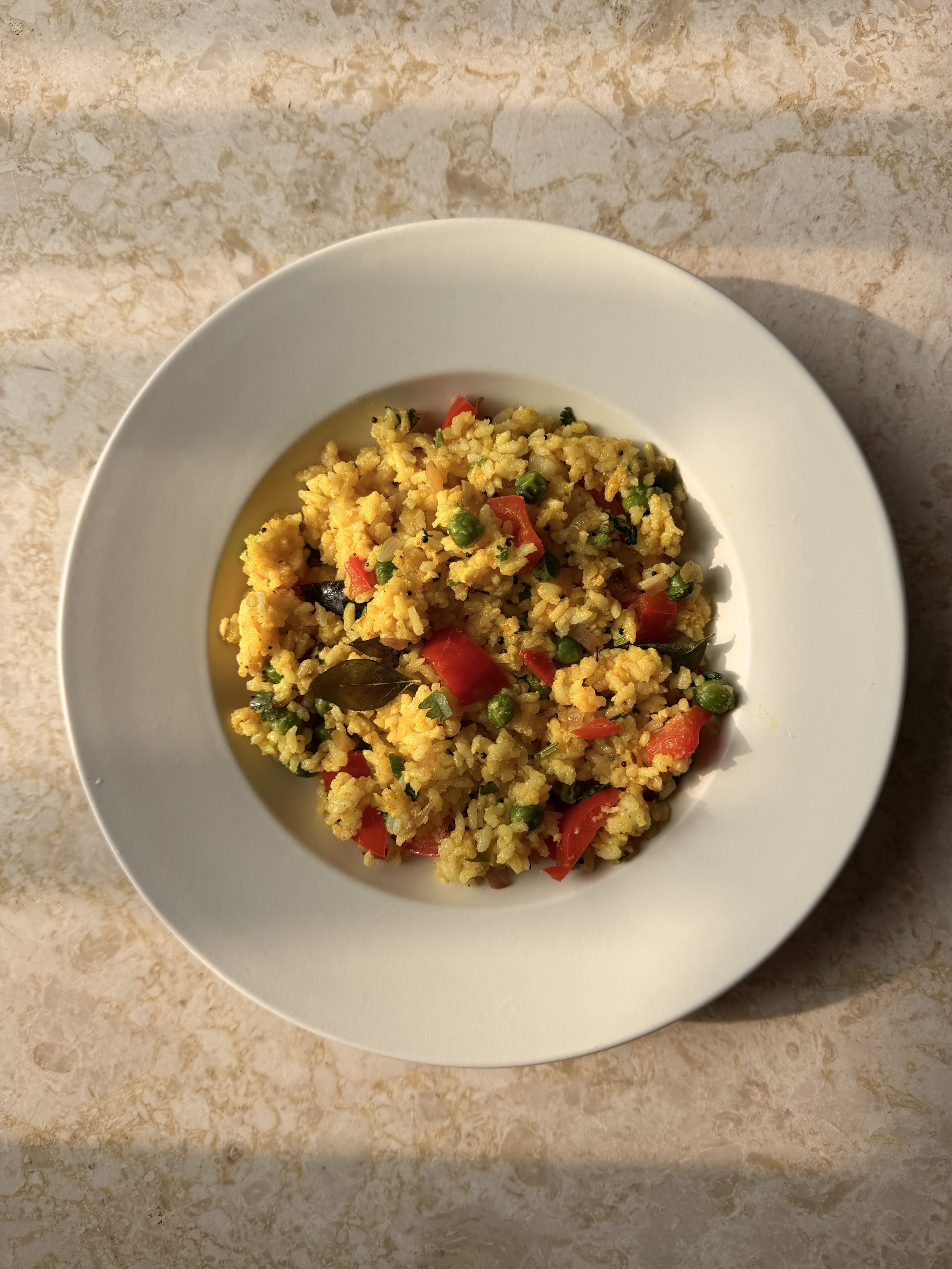
Phodnicha Bhat
There are few things more satisfying than turning yesterday's rice into today's breakfast. Phodnicha Bhat is the Maharashtrian answer to fried rice. Tossed in a hot tempering of mustard, cumin and curry leaves, with chillies, turmeric and whatever vegetables happen to be hanging around. The magic is in the phodni, or tempering, where a handful of seeds and spices hit hot oil and suddenly make leftovers taste like a plan. Simple, frugal and ridiculously comforting.
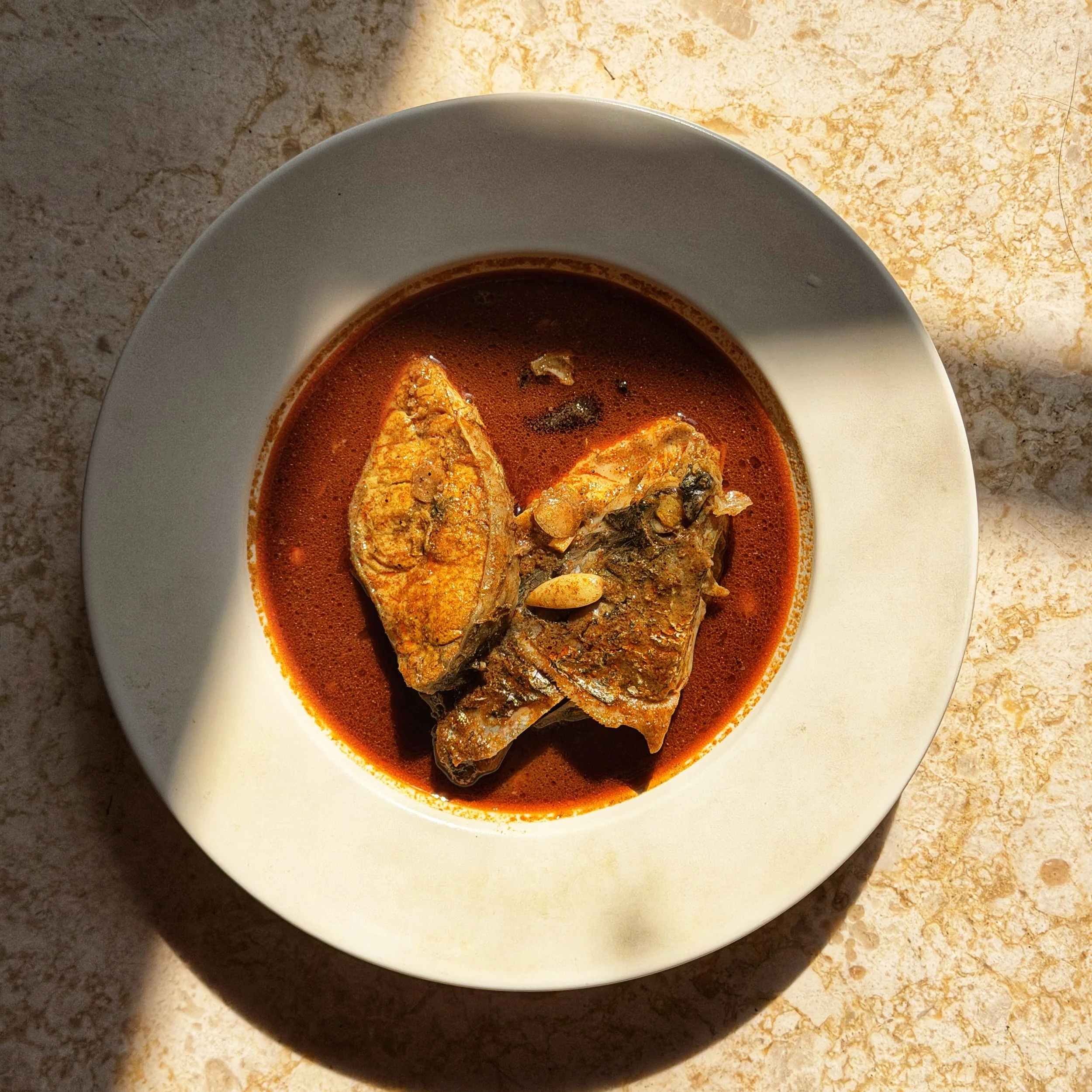
Agri-Style Jitada Fish Curry
This is the kind of fish curry where garlic takes up the main character energy. A charred coconut and coriander vatan gives the gravy its earthy backbone, Agri Koli masala brings the heat, and kokum adds just enough sourness to keep everything in check. Then there are those golden, bruised pieces of garlic hiding in the gravy. This is a family recipe from my Agri kitchen, and honestly, finding one of those pieces of garlic in your rice is one of the best parts of the whole operation.