
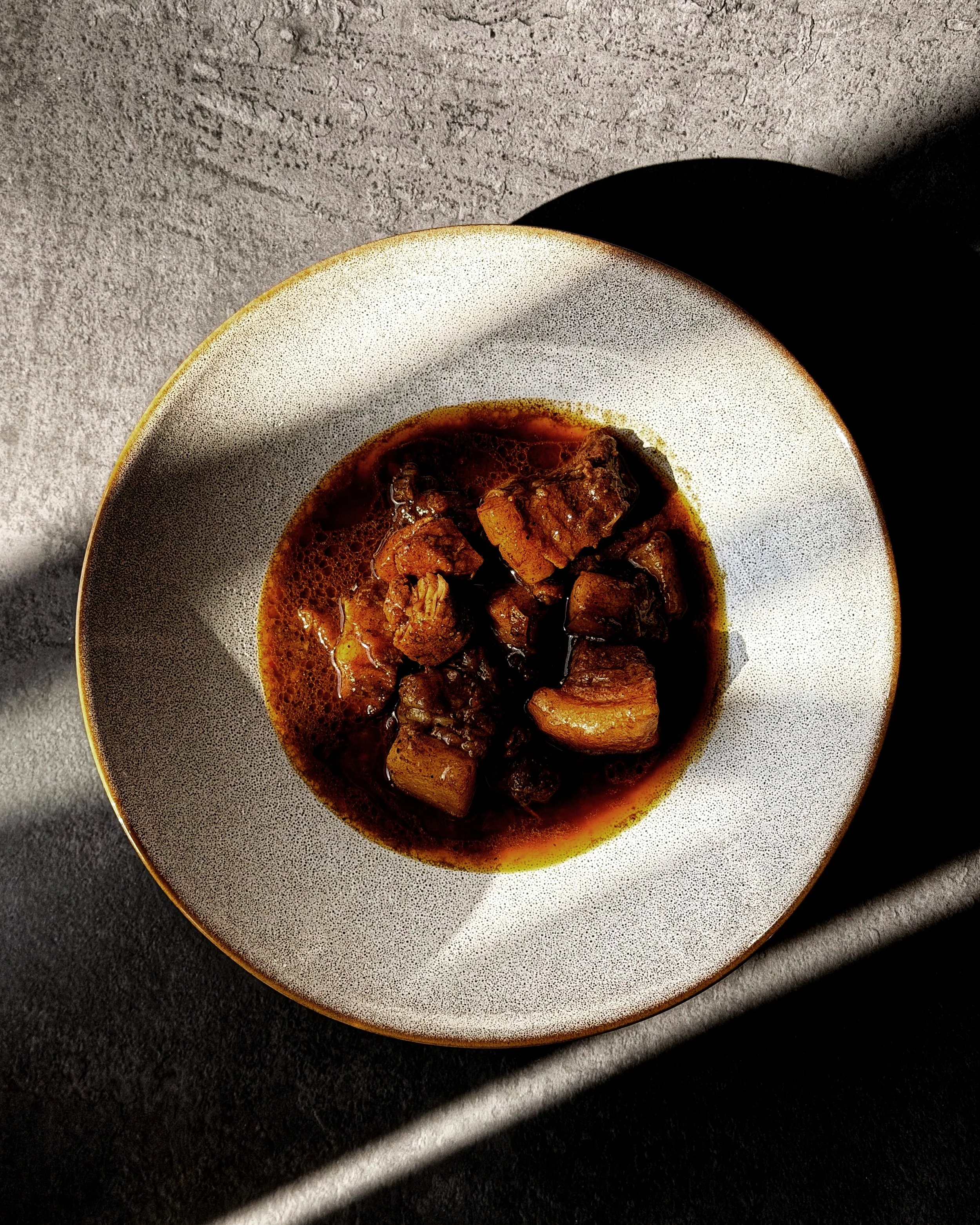
Pandi Curry
Pandi Curry is what happens when pork meets a spice box with very little interest in subtlety. Fatty pork is slowly cooked with spices roasted considerably darker than your instincts might recommend, then finished with kachampuli, Kodagu’s wonderfully intense sour fruit vinegar.
This version is a little mellower and more gravy-forward than some, but there are two things worth taking seriously. Get the spices properly dark without burning them, and approach the kachampuli with caution. Especially if yours came from someone’s home in Kodagu, where apparently measuring acidity in sensible units is optional. Start with a little, taste, then add more.
And make it a day ahead. Somehow pork, roasted spices and kachampuli spend the night discussing their differences and wake up considerably better friends.
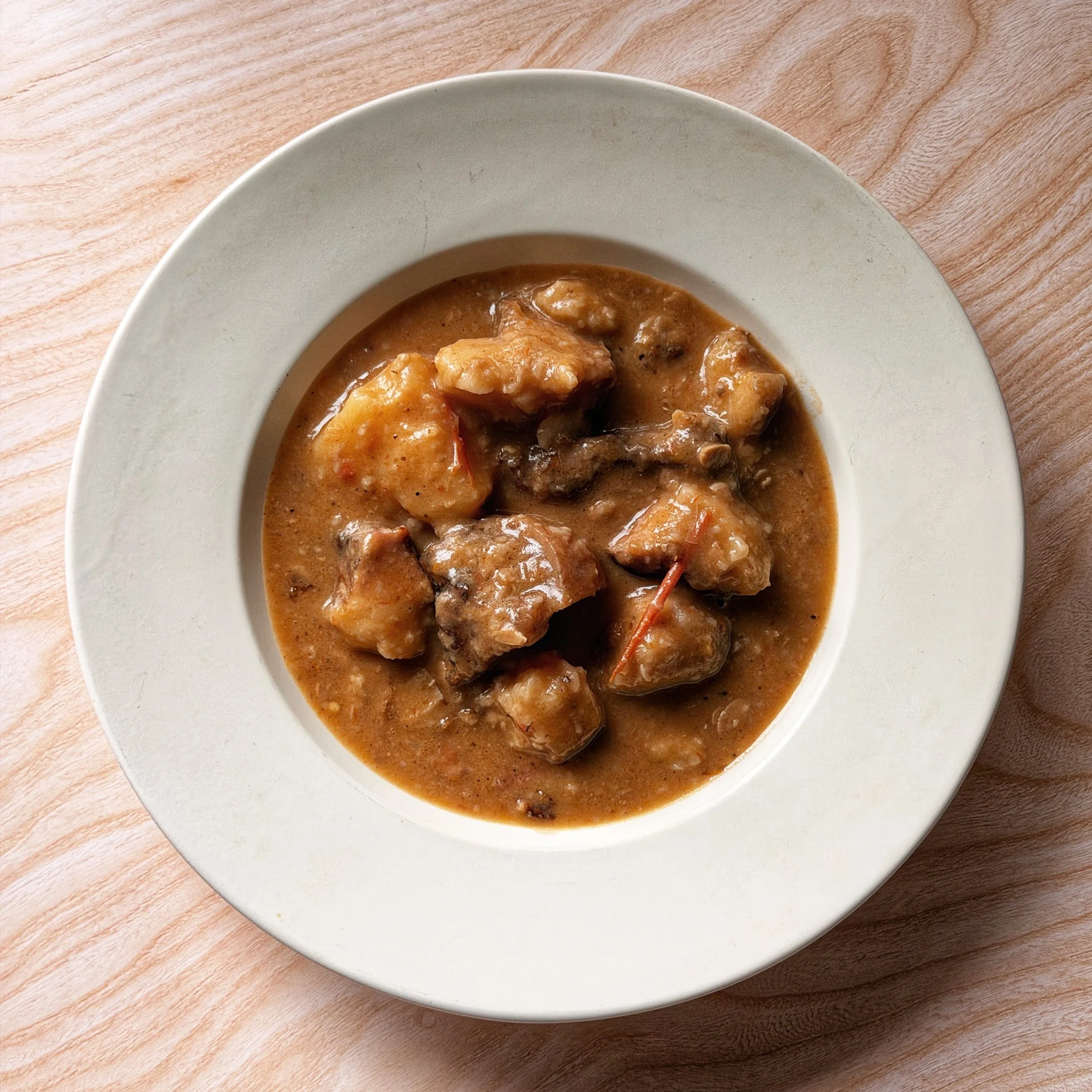
Smoked Pork with Colocasia and Axone
Some recipes build flavour with a dozen spices. This one lets fermentation and smoke handle the paperwork. Smoked pork is simmered with axone, the gloriously funky fermented soybean so closely associated with Naga cooking, along with colocasia, tomatoes and enough raja mircha to make its presence known. The colocasia eventually gets mashed back into the pot, thickening the broth while soaking up all that pork fat and fermented goodness. No elaborate masala, no heroic bhunao, not even ginger and garlic. When your ingredients have this much personality, sometimes the smartest cooking technique is simply knowing when to get out of their way.
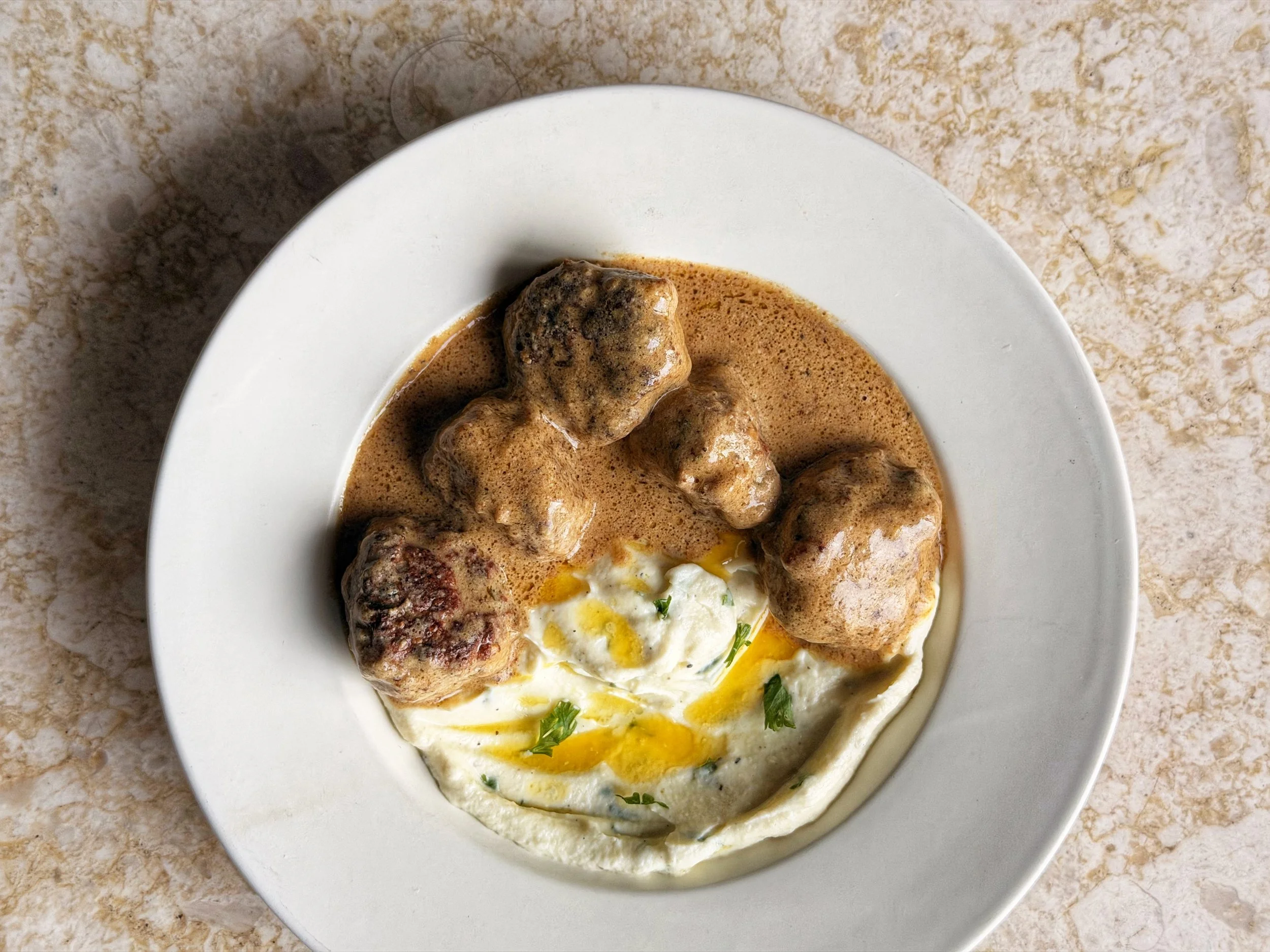
Swedish Meatballs
Swedish meatballs are probably one of the world's most famous examples of a dish that looks deceptively simple. The meatballs themselves are soft and gently spiced with nutmeg and allspice, browned in a pan and then finished in a silky cream gravy made from all those delicious browned bits. The result is a rich, comforting dish where the savory sauce ties everything together and makes the whole plate feel complete. It is comfort food with surprisingly good engineering.
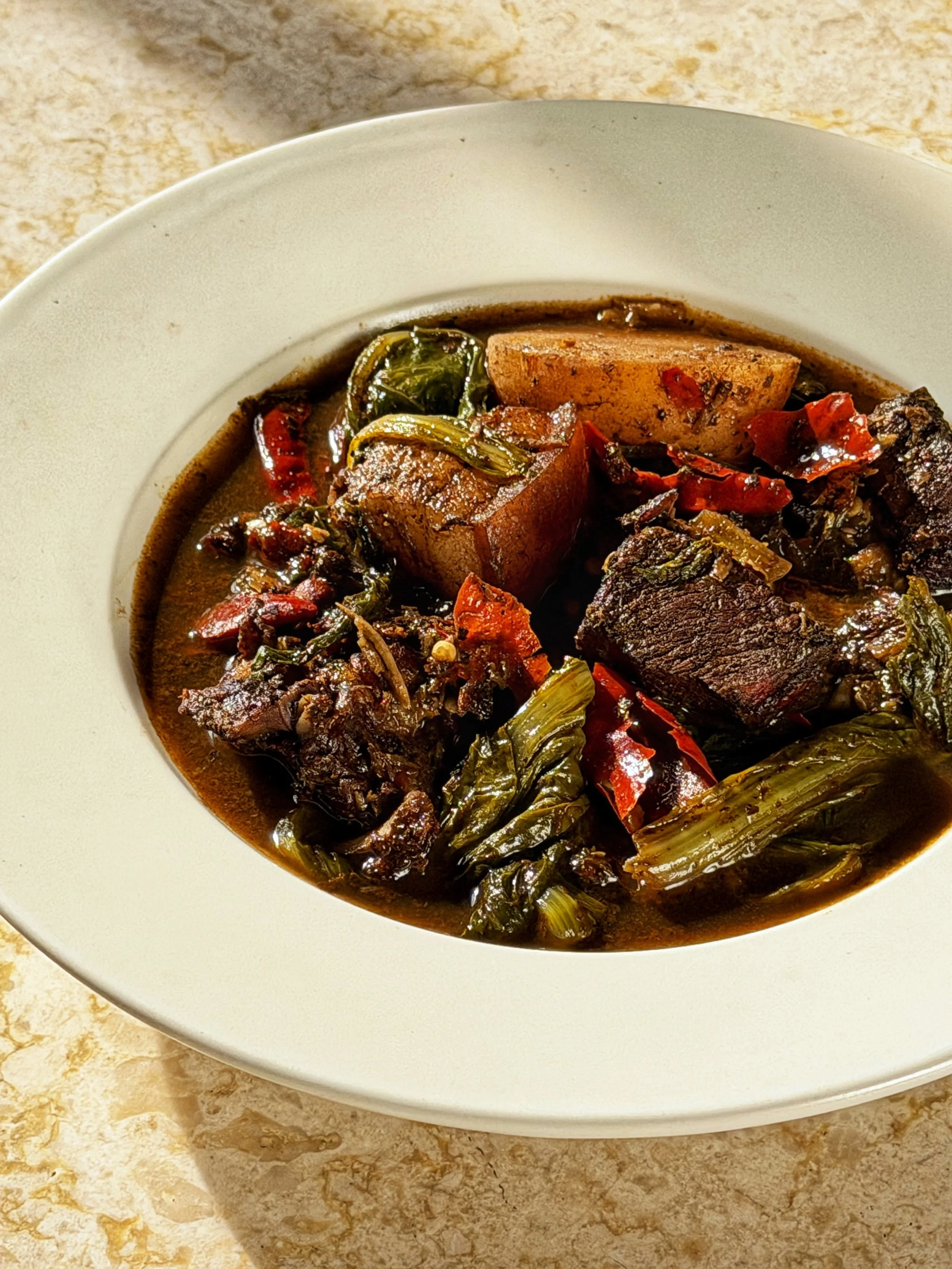
Smoked Pork with Anishi and Mustard Greens
This is one of those dishes where fermentation, smoking and chillies do most of the heavy lifting. Anishi, made from fermented and dried colocasia leaves, brings an earthy, slightly funky depth to the broth, while smoked pork contributes the fat and that wonderfully campfire-like savouriness. Add mustard greens for a little bitterness and roasted Sichuan pepper for its citrusy, numbing kick, and you have a dish that is less about a complicated masala and more about a handful of ingredients being very good at their jobs. It is an Ao Naga preparation, traditionally eaten with hot rice and simple boiled vegetables. Simple on paper, rather spectacular in the bowl.
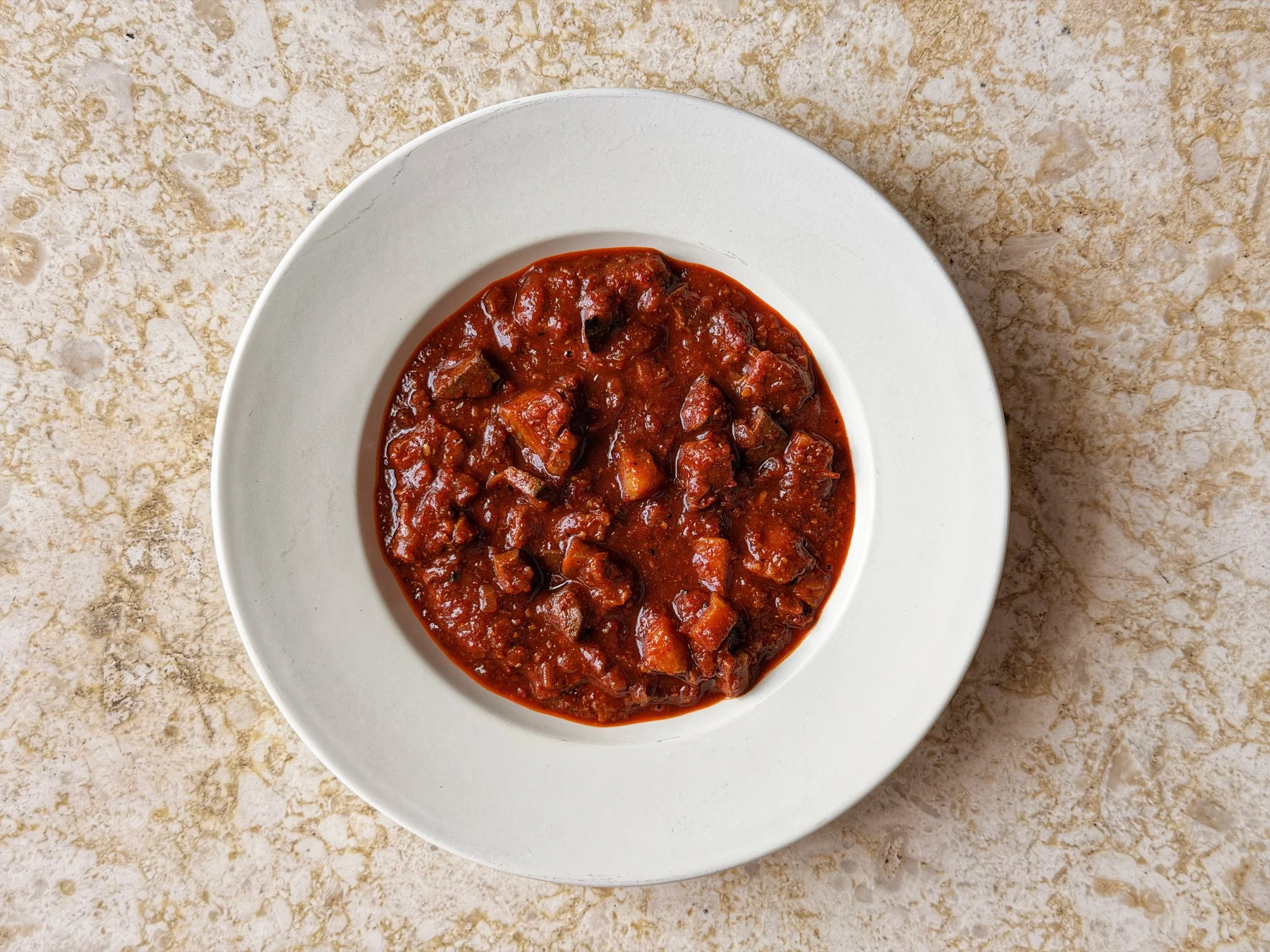
Goan Pork Sorpotel
Sorpotel is basically the “no part of the pig gets left behind” kind of dish. It happily welcomes fatty pork, head meat, liver, and whatever other mysterious bits are hanging around, then simmers them all down with dried chillies, spices, and a very enthusiastic splash of vinegar. The result? A bold, tangy, spicy, deeply savoury party in a pot, where the vinegar somehow keeps everything from getting too wild (it tries its best, anyway). And here’s the real magic trick: sorpotel doesn’t just sit there, it improves with age. Today’s batch is delicious. Tomorrow it’s even better. By day three, it’s basically showing off.
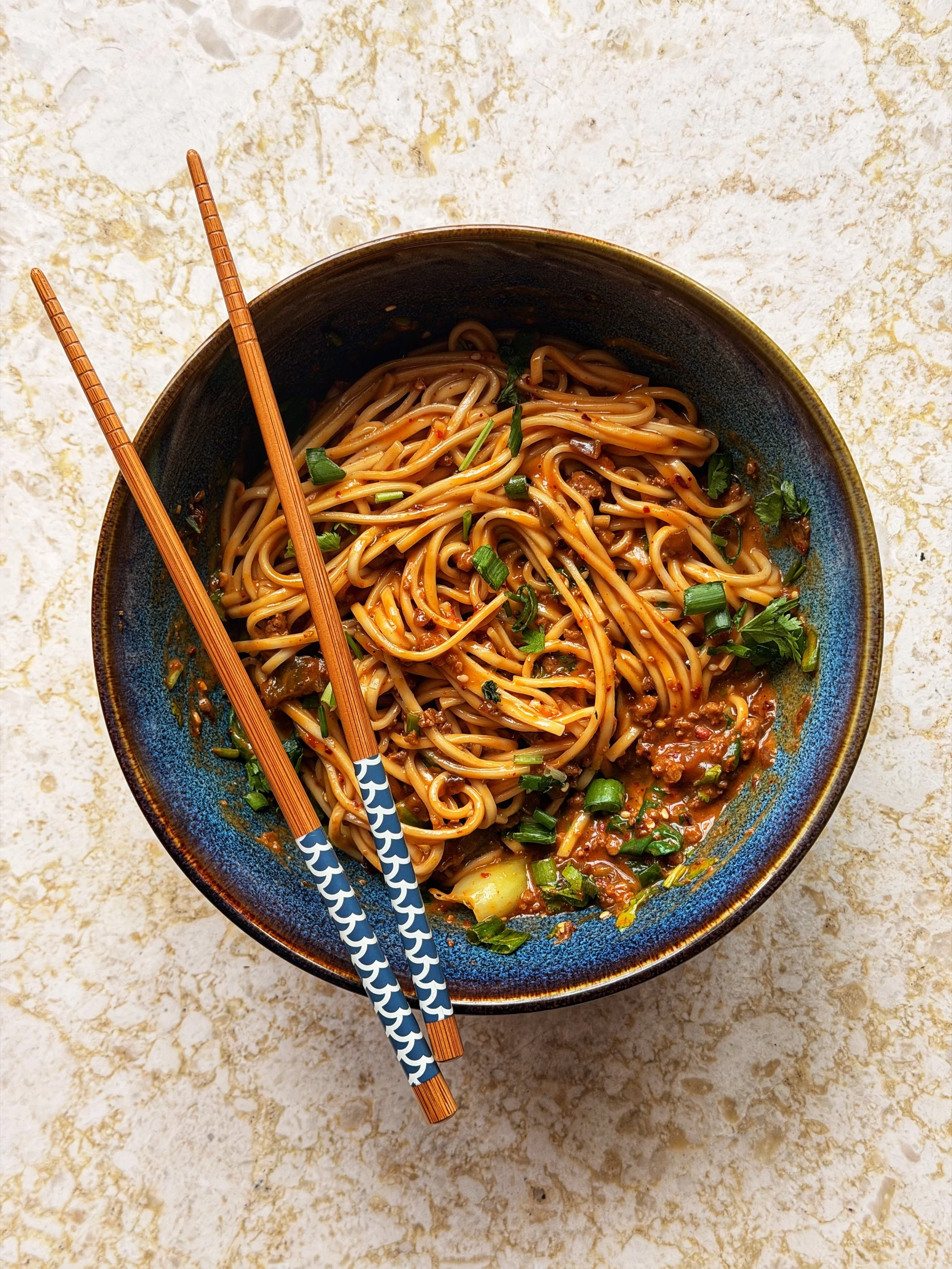
Dan Dan Noodles
Dan Dan Noodles are a small bowl with a slightly unreasonable amount going on. There is spicy chilli oil, numbing Sichuan pepper, fermented greens, savoury pork and a rich sesame sauce, all fighting for attention in the best possible way. Traditionally, the noodles arrive beautifully layered and completely unmixed. That part is your problem. Get your chopsticks in there and mix everything until every strand is coated, then try to work out which flavour hit you first.
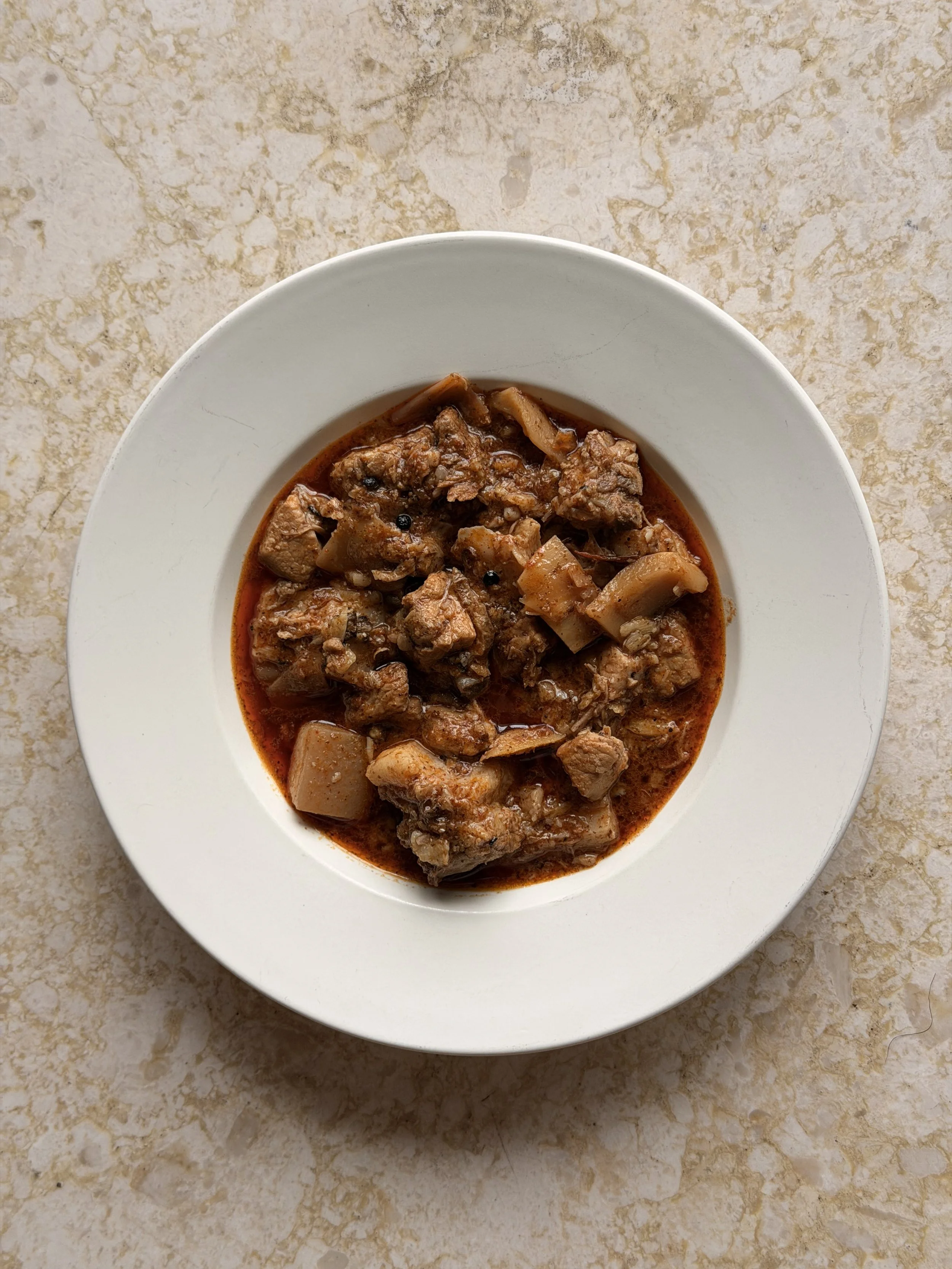
Pork with Perilla Seeds and Fermented Bamboo Shoots
Pork with perilla seeds is another Naga pork specialty. In the Ao Naga dialect, the dish is called Ak Shi Azü Den Asoba Aon, which translates roughly to pork cooked with perilla seeds. Ak Shi means pork meat and Azü means perilla seeds.
It is a wonderfully straightforward dish built around a few big flavours: fatty pork, the nutty aroma of roasted perilla seeds, the sourness of fermented bamboo shoot, and the citrusy bite of Sichuan pepper. There isn't much going on here, which is precisely the point.