
Goan Pork Sorpotel
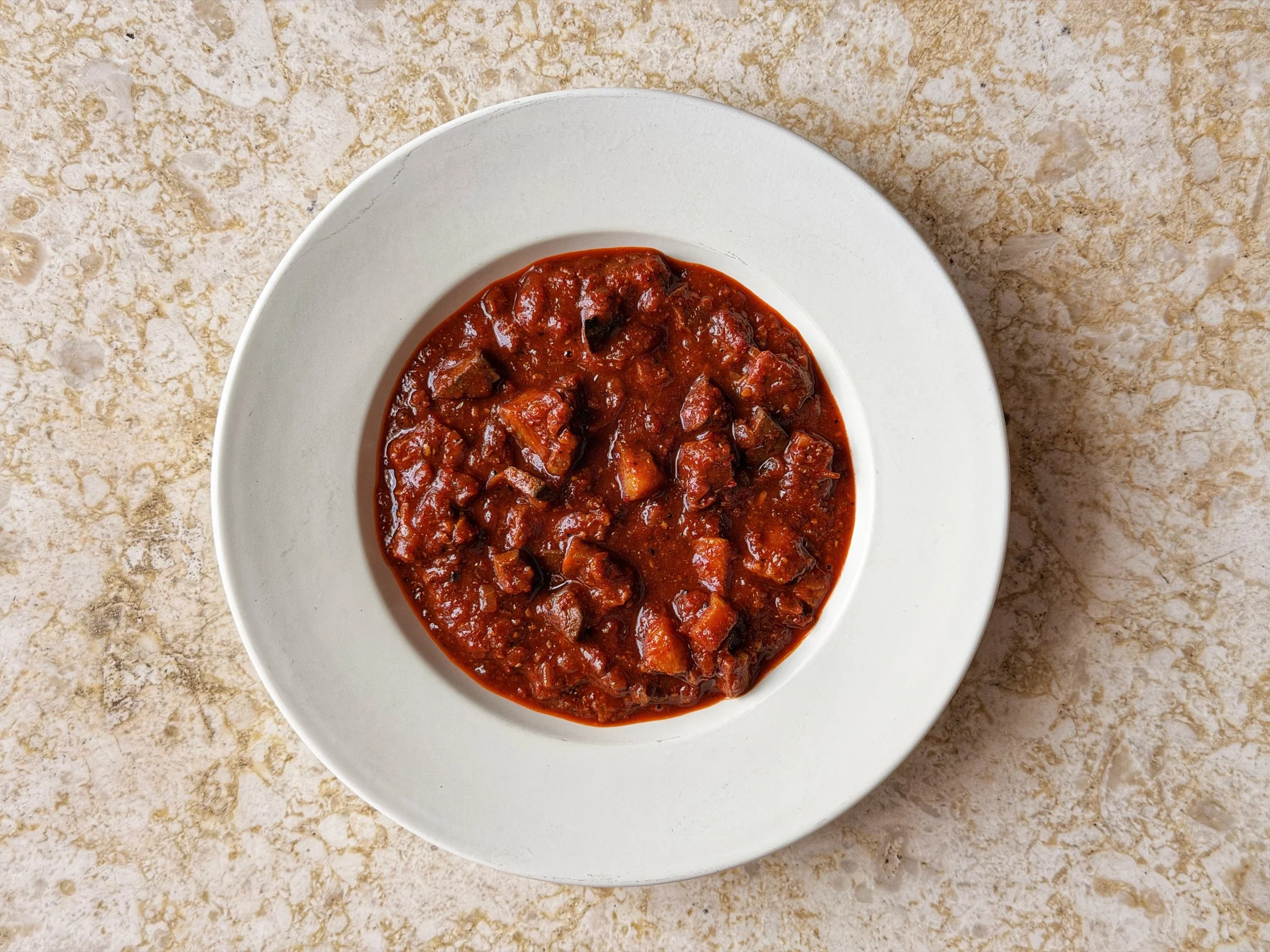
Sorpotel is basically the “no part of the pig gets left behind” kind of dish. It happily welcomes fatty pork, head meat, liver, and whatever other mysterious bits are hanging around, then simmers them all down with dried chillies, spices, and a very enthusiastic splash of vinegar. The result? A bold, tangy, spicy, deeply savoury party in a pot, where the vinegar somehow keeps everything from getting too wild (it tries its best, anyway). And here’s the real magic trick: sorpotel doesn’t just sit there, it improves with age. Today’s batch is delicious. Tomorrow it’s even better. By day three, it’s basically showing off.
Ingredients
For the belly and head meat
500 g pork belly, cut into large chunks
300 g pork head meat, cut into large chunks
1 tsp salt
½ tsp turmeric powder
Water, as required
For the liver
200 g pork liver
½ tsp salt
Water, as required
250 ml buttermilk
For the sorpotel masala
18–20 dried Kashmiri chillies
4–6 dried hot red chillies, adjusted to taste
10 cloves garlic
1½-inch piece ginger
1½ tsp cumin seeds
1 tsp black peppercorns
6 cloves
1-inch piece cinnamon
¼ tsp turmeric powder
120 ml Goan coconut vinegar, or palm/toddy vinegar
2–4 tbsp water, as required
For the gravy
2 tbsp pork fat or neutral oil
3 medium onions, finely chopped
1 tbsp sugar or grated jaggery
1–2 cups reserved pork stock
Salt, to taste
Method
Cook the belly and head meat
Place the pork belly and head meat in a large pot.
Add the salt, turmeric and enough water to cover the meat.
Bring to a boil and skim away any foam from the surface.
Reduce the heat and simmer gently for 60–90 minutes, until the meat is just tender.
Remove the meat and reserve the cooking stock.
Once the meat is cool enough to handle, cut it into approximately 1 cm cubes.
Strain the stock if necessary and keep it aside.
Cook the liver
Soak the liver in some buttermilk and let it sit for half an hour, drain and wash well, discard the buttermilk. This step helps soften the strong metallic taste liver sometimes carries.
Place the liver in a separate pot and cover with water.
Add the salt and simmer for 8–10 minutes, just until the liver is cooked through.
Remove and allow it to cool.
Dice the liver into pieces similar in size to the pork.
Discard the liver cooking liquid.
Prepare the masala
Remove the stems from the dried chillies and soak them in hot water for about 15 minutes.
Drain and add them to a blender along with the garlic, ginger, cumin, black pepper, cloves, cinnamon, turmeric and vinegar.
Grind into a smooth, thick paste, adding a little water if required.
The vinegar is doing two jobs here. It brings acidity to the finished sorpotel and also helps extract and carry the flavours of the dried spices.
Fry the meat
Heat the pork fat or oil in a wide kadai or heavy-bottomed pot over medium-high heat.
Add the diced belly and head meat.
Fry until the edges are lightly browned and some of the fat has rendered.
Add the diced liver and fry for another 1–2 minutes.
Remove all the meat and set aside.
Build the gravy
In the same pot, add the finely chopped onions.
Cook over medium heat until deeply golden brown, about 15–20 minutes.
Add the ground sorpotel masala and fry for 8–10 minutes, stirring frequently.
The masala should darken slightly, the raw aroma should disappear and the oil should begin to separate.
Don't rush this stage. Properly frying the masala is what gives the sorpotel its depth.
Simmer
Return the fried pork and liver to the pot.
Add 1–1½ cups of the reserved pork stock, depending on how thick you want the sorpotel.
Add the sugar or jaggery, and adjust the salt.
Bring to a gentle simmer and cook uncovered for 30–40 minutes, stirring occasionally.
The gravy should gradually reduce into something thick, glossy and intensely flavoured.
If it becomes too dry before the flavours have properly come together, add a little more stock.
Mature the sorpotel
Allow the sorpotel to cool completely, then refrigerate overnight.
Reheat gently the following day.
If you have the patience, let it mature for another day or two. The vinegar, spices, fat and meat continue to mingle as it rests, and the flavour becomes deeper and more rounded.
It is one of those dishes where the leftovers are not really leftovers.
Serving
Sorpotel works beautifully with Sannas, Goan pao, poee or plain steamed rice.
If you can get proper Goan coconut vinegar and render your own pork fat from the belly, you're already halfway to the flavour of an old-school Goan Catholic kitchen.
Choosing the Cuts
Sorpotel doesn't have to be made from one particular combination of pork cuts. In fact, using a mixture of lean meat, fatty meat and offal is part of what gives the dish its character.
A useful rule of thumb is:
About 50% meat, 25–30% fatty or gelatinous cuts, and 20–25% offal.
You don't have to follow this exactly, but it gives you a good starting point.
Pork belly
The easiest source of fat and probably the most forgiving cut. It becomes tender while rendering enough fat to carry the masala.
Treatment: Boil with the other meat, then dice. Fry it before adding the gravy.
Pork shoulder
A good substitute if you want something meatier and less fatty than belly.
Treatment: Boil until just tender, cool and dice. It can be treated exactly like the belly, but because it contains less fat, you may need a little extra pork fat or oil when frying.
Pork head meat
Head meat brings collagen, gelatin and a slightly sticky texture that makes the gravy feel richer.
Treatment: Boil with meat till tender, remove the bones and cartilage, then dice the meat. Don't discard the cooking stock. The gelatin released from the head is valuable in the final gravy.
Pork cheek
An excellent alternative to head meat. It is rich in collagen and becomes wonderfully soft with slow cooking.
Treatment: Boil with meat until tender, then dice. It can be used alongside belly or in place of head meat.
Pork tongue
Tongue has a dense, meaty texture and works particularly well if you want more variety in the finished dish.
Treatment: Simmer until tender, peel while still warm, cool and dice. It can be treated like the main meat.
Pork liver
This is the most important offal in sorpotel. It contributes the deep, slightly bitter and metallic flavour that makes the dish taste like sorpotel rather than simply spicy pork curry.
Treatment: Cook it separately and only until just done. Cool, dice and fry briefly before adding it to the gravy. Overcooked liver becomes dry and grainy.
Pork heart
Heart is lean, firm and intensely meaty. It is a good addition if you want more offal without making the sorpotel liver-heavy.
Treatment: Trim away the tough connective tissue, simmer until tender and dice finely. It can be boiled with the other meat.
Pork kidney
Kidney can be used, but it needs more preparation because of its stronger flavour.
Treatment: Split the kidney, remove the central white core and soak in lightly salted water for 30–60 minutes. Rinse thoroughly before cooking. Blanch separately, then dice and fry briefly before adding to the gravy.
A practical combination
If you're buying pork specifically for sorpotel, a very good starting combination is:
50% pork belly or shoulder
25–30% head meat, cheek or skin
20–25% liver, with a little heart if desired
The important thing is not to make the dish entirely lean. Sorpotel needs some fat and collagen to give the gravy its characteristic richness and texture.